
Reviewed · TOURS IN NUSA LEMBONGAN
Open Water Course in Nusa Lembongan – Get Certified on remote island (next Bali)
The big draw here is earning your first SSI open-water certification on a small Indonesian island, with real ocean practice rather than a quick introductory session. You learn theory, train in shallow water, then make at least four open-water descents under an instructor’s supervision.
I like two things right away: all the essential equipment is included, and the center has the practical basics you need between sessions, including lockers, showers, bathrooms, Wi-Fi, changing space, and a restaurant. Instructors such as Silvère, Kaka, Pablo, and Loïc are repeatedly praised for patience and clear explanations.
The main consideration is time. This is not a one-afternoon activity. Plan on roughly three days, and remember that manta rays and particular sites depend on conditions. One participant could not reach Manta Point, so treat the famous marine life as a welcome possibility rather than a guarantee.
Key points to know before booking
- SSI certification to 60 feet: Complete the course and qualify for recreational underwater trips to a maximum depth of 18 meters.
- At least four ocean sessions: You practice skills in the sea, not just in a pool or confined water.
- Five or more shallow-water sessions: Basic exercises come before the deeper work, giving you time to settle into breathing and equipment.
- Four named locations: The plan can include Crystal Bay, Mangrove Point, Toyapakeh, and Jungut Batu Beach.
- Equipment and facilities included: Mask, fins, tank, and the rest of the required scuba kit are supplied, along with showers, lockers, Wi-Fi, and a restaurant.
- A small-group feel: This is listed as a private activity for your group, though the exact instructor and daily schedule depend on availability.
What you are really buying for $461.48
The price is $461.48 per person. That is a sizeable outlay, but it covers more than a guided underwater outing. You are paying for instruction, the SSI certification path, classroom or self-study theory, shallow-water practice, at least four open-water sessions, an instructor, and the full set of required equipment.
That matters if you are starting from scratch. Buying or renting mask, fins, tank, buoyancy equipment, and other gear separately would add cost and create more work. Here, the center handles the equipment side while you focus on breathing, buoyancy, safety procedures, and communication.
I also think the island setting adds value. Nusa Lembongan gives the course a holiday feel, but the training still has enough structure to make it a proper qualification. You are not simply following a guide for a short look underwater. You are learning the foundation for future recreational trips.
The value is weaker if you already hold a certification or only want a single taste of scuba. In that case, an introductory session would be shorter and cheaper. This course makes sense when you want to join the SSI system and use your certificate after leaving Lembongan.
Accommodation is not included. The center does have dormitory and bungalow options, but the supplied details do not state their prices or availability. Ask about lodging before you book if you want to keep the three-day schedule in one place.
Other trips people book in Nusa Lembongan:
- 2 Days Discover Scuba Diving in Nusa Lembongan – Scuba Initiation
★ 5.0 · 506 reviews - Advanced Open Water Course – Advanced Certification in Lembongan (next to Bali)
★ 5.0 · 222 reviews - 5 Fun Dives in Nusa Lembongan (for certified divers) – Swim with a Mola Mola
★ 5.0 · 205 reviews
Your first morning at Dive Concepts Lembongan
You meet at Dive Concepts Lembongan in Jungutbatu, on Nusa Lembongan. The center is open daily from 8 a.m. to 8 p.m., which gives the staff room to arrange training and ocean work around the day’s conditions.
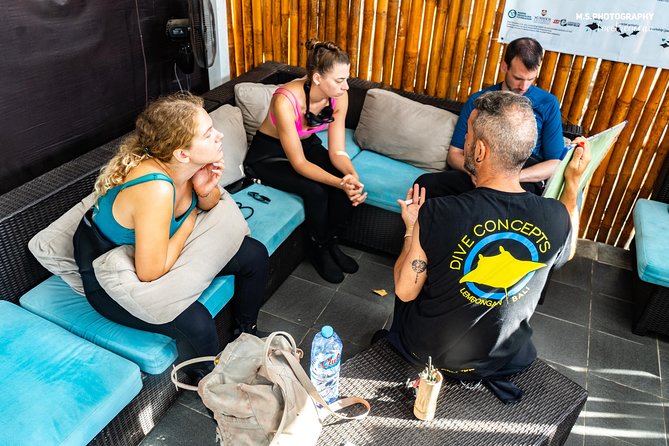
The course begins with the basics. You learn how the equipment works, how to manage yourself underwater, and what to do when a problem occurs. The theory is not decorative paperwork. It explains the rules and habits that keep a recreational scuba session controlled.
Expect the instructor to take you through the material in stages. The strongest accounts of the teaching describe calm explanations, demonstrations, and adjustments to the student’s personal pace. Silvère is singled out for adapting to individual needs, while Kaka, Pablo, and Loïc are praised for making the ideas easy to follow.
That is especially useful if breathing underwater feels strange. One student began unsure about the idea of handling several new tasks at once, then found the process manageable because the instructor broke it into smaller pieces. You should still expect to concentrate. Certification is earned through practice, not handed out for showing up.
Why the shallow-water sessions matter
The course includes at least five training sessions in shallow water, using a beach or swimming pool. This is where you build the habits that later become automatic.
You practice basic exercises before moving into deeper water. The exact drills are not listed, so I would not promise a particular sequence, but the purpose is clear: learn equipment handling, underwater control, and emergency responses in a setting where you can pause and reset.
For a beginner, this is one of the best features of the program. The first minutes underwater can feel busy. You are breathing through a regulator, watching your air supply, controlling your position, and responding to instructions. Repeating the basics in shallow water gives you a safer place to sort out that workload.
The center’s facilities help here. Lockers, bathrooms, showers, and changing space mean you can arrive, prepare, and recover without hunting around the island for every small need. Wi-Fi and a restaurant are useful during breaks, though neither replaces proper rest and attention during training.
The physical requirement is moderate fitness. You do not need to be an athlete based on the supplied information, but this is active work in and around the water. If you have a medical concern, ask the provider before booking rather than treating the minimum age of 10 as a general medical clearance.
Four ocean locations, four different moods
The itinerary names four possible locations. The order can change, and weather or sea conditions may alter the plan. Still, each place gives you a different reason to look forward to the open-water portion.
Same base, a different sort of day:
- 7 Fun Dives in Nusa Lembongan (for certified divers) – Premium Value Package
★ 5.0 · 118 reviews - Lembongan Electric Bike tour
★ 5.0 · 56 reviews - Lembongan Snorkeling at Manta Bay, Crystal Bay and Mangrove
★ 5.0 · 56 reviews - 2 or 3 dives in Nusa Lembongan and Penida, for certified diver (in Lembongan)
★ 5.0 · 28 reviews
Crystal Bay
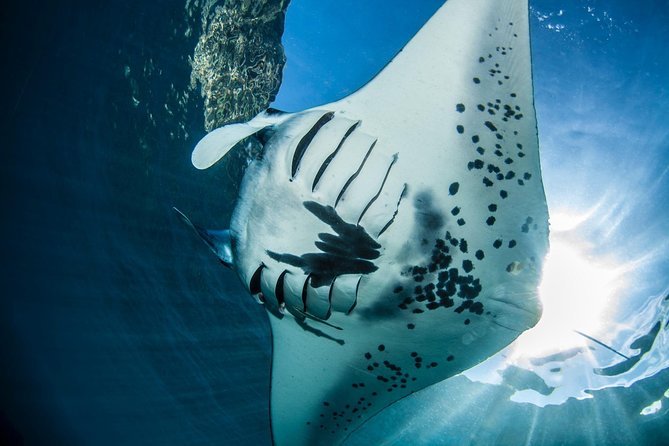
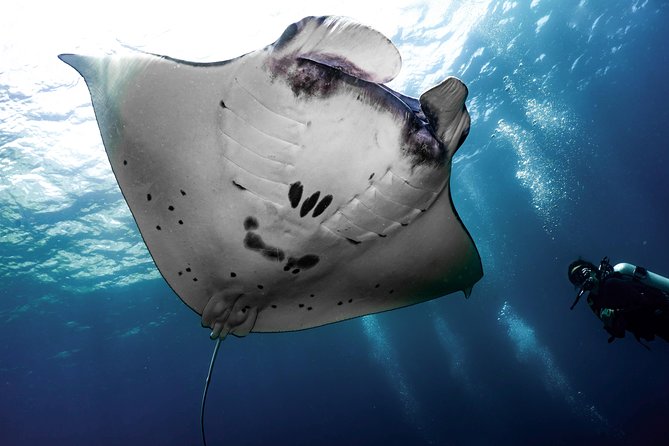
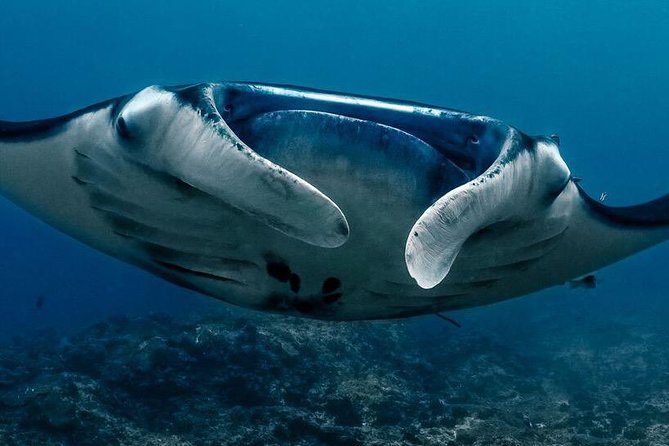
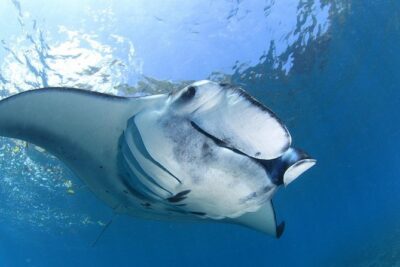
Crystal Bay is one of the named stops and is associated with the area’s larger marine life, including the possibility of manta rays. The course description highlights manta encounters, and the title puts them front and center.
Keep your expectations sensible. A manta sighting is never guaranteed by a booking page, and the schedule may change if conditions are poor. You may find the most value here in learning how to stay calm and follow instructions when the setting feels more open and exciting than the training area.
Crystal Bay can also be a demanding focus for a beginner if the conditions shift. The instructor’s role matters. Stay close, listen carefully, and do not let the hope of seeing a large animal pull you away from the skills you are there to practice.
Mangrove Point at Nusa Lembongan
Mangrove Point keeps the course close to the island. It is a named local stop rather than a promise of a distant expedition, which can make it a useful part of a varied training program.
You can expect the instructor to use the site as another chance to apply the basics in the sea. The important question is not only what you see, but how comfortably you manage buoyancy, communication, and movement in a real marine setting.
Marine conditions can affect visibility and the day’s plan. Treat the site list as a guide to the course rather than a fixed timetable. The provider requires good weather, and a poor-weather cancellation may lead to a new date or a full refund.
Toyapakeh
Toyapakeh is another named location in the course plan. Its inclusion gives you a chance to work through your new skills at more than one underwater setting, rather than repeating every session in the same place.
For a new student, changing locations can be useful and challenging. You learn that your technique must work beyond one familiar patch of water. At the same time, each new site brings a fresh environment, so you should expect the instructor to keep the pace appropriate to your ability.
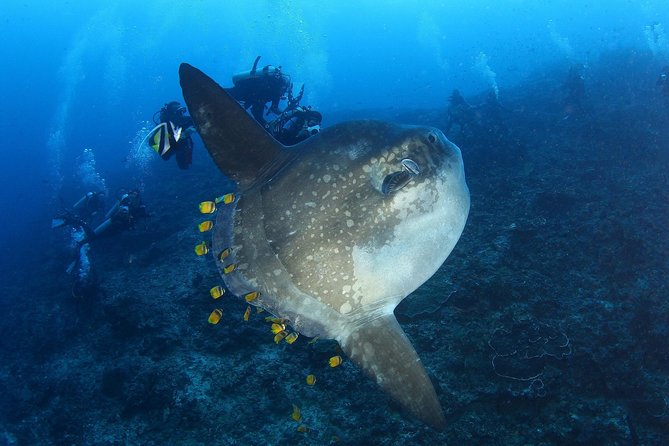
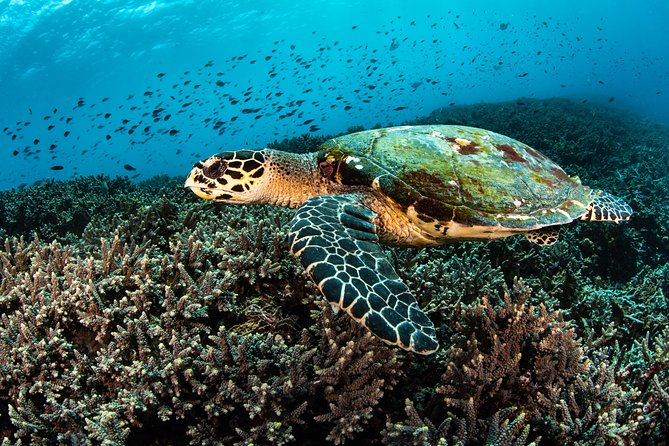
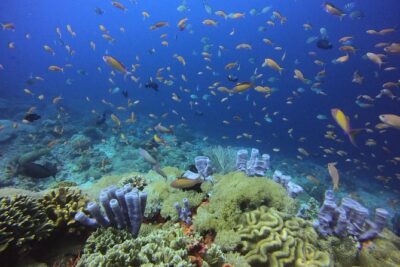
If you are hoping for specific animals or coral formations, ask what conditions allow on the day. The supplied details point to manta rays, turtles, sharks, octopus, fish, and coral as possible highlights in the area, but no particular sighting is guaranteed.
Jungut Batu Beach
Jungut Batu Beach is both the meeting area and one of the named water locations. That makes it a convenient part of the program, especially for early training or a session when conditions favor staying close to shore.
A beach-based setting can feel less intimidating than heading straight into a boat-based routine. It may also help you connect the shallow exercises with the open-water portion. The tradeoff is that a beach location may feel less dramatic than a famous offshore site, but good instruction matters more than scenery when you are still learning.
What the ocean sessions are like for a beginner
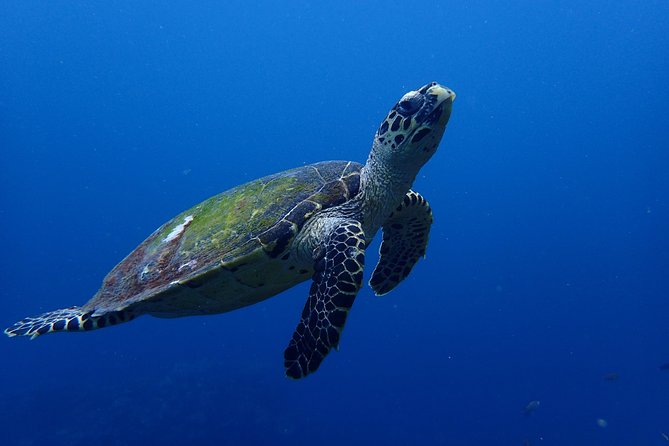
The course promises at least four open-water sessions, in addition to the shallow-water training. These are the point where your lessons become a usable skill set.
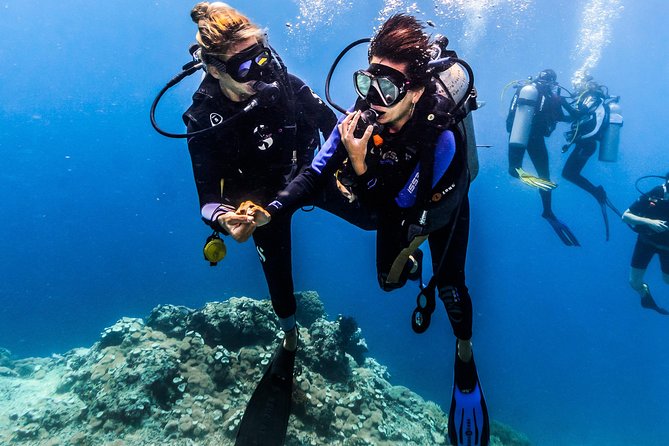
You will be expected to demonstrate what you have practiced while managing real water conditions. Your instructor supervises the work, explains what to do, and watches how you respond. The goal is not simply to reach a depth. It is to show that you can use the core skills with control.
The certification allows you to scuba to 60 feet, or 18 meters. That is a recreational limit, not an invitation to go straight to the maximum depth every time. A newly certified person should still choose suitable conditions and continue learning through experience.
The best practical advice is to speak up early. One student panicked during a first session and found the instructor calm and patient. That is exactly how the process should work, but you also have a part to play. Tell the instructor if you feel overwhelmed, cold, uncomfortable, or unsure. A short pause is better than trying to hide a problem.
The private format is another plus. The activity is listed as private, with only your group participating. That should make it easier to ask questions and receive individual attention. It does not mean the course will be effortless, and it does not guarantee a particular instructor, but it is a useful setup for nervous beginners.
The instructors make the difference
The most consistent praise goes to the teaching team, especially Silvère, Kaka, Pablo, and Loïc. The recurring strengths are patience, clear explanations, calm support, and the ability to adapt to different levels of confidence.
That last point matters more than personality alone. Open-water training combines theory, physical coordination, and a new breathing pattern. An instructor who can explain the same idea in more than one way is worth a great deal.
Kaka is also praised for explaining fish and coral, adding a natural-history layer to the basic instruction. Some instructors may take photos with a GoPro, but digital photographs and videos are not included. You can purchase them separately.
You may not be assigned the instructor you prefer. If you have a strong preference for Silvère, Kaka, Pablo, or Loïc, ask the provider before confirming. Availability is subject to confirmation within 48 hours of booking.
Who should book this course
I would choose this course if you have tried a discovery session and want a proper qualification, or if you already know you want scuba to be part of future trips. The three-day format gives you time to learn gradually instead of squeezing every task into one hurried outing.
It also suits people who want a private activity with full equipment supplied. The center’s facilities make the daily routine easier, and the island setting gives you a memorable place to earn your first certificate.
Families should note the minimum age of 10. The activity requires moderate physical fitness, and service animals are allowed. The supplied information does not spell out medical restrictions, swimming requirements, or a detailed equipment list, so ask those questions before booking if they affect your decision.
I would skip it if your schedule is too tight for three days, if you only want a quick look at the underwater world, or if your main goal is a guaranteed manta encounter. The course is about training first and wildlife second.
Booking, timing, and cancellation details
The meeting point is Dive Concepts Lembongan, Nusa Lembongan, Jungutbatu, Kec. Nusa Penida, Kabupaten Klungkung, Bali 80771, Indonesia. The activity ends back at the same meeting point.
Confirmation is sent within 48 hours, subject to availability. Book ahead if possible. The average booking lead time is 35 days, which suggests that leaving this until the last moment may not work well during busy periods.
You can cancel for a full refund up to 24 hours before the local start time. Changes made within 24 hours are not accepted, and a late cancellation is not refunded. If weather forces the provider to cancel, you can take another date or receive a full refund.
FAQ
How long does the SSI open-water course take?
Plan on approximately three days. The course includes theory, at least five shallow-water training sessions, and at least four open-water sessions.
What certification will I earn?
You will work toward an SSI open-water scuba certification, allowing recreational scuba to a maximum depth of 60 feet, or 18 meters.
What equipment is included?
The package includes the necessary scuba equipment, including a mask, tank, and fins. Use of the scuba equipment is included in the course price.
Is accommodation included?
No. Accommodation is not included, although dormitory and bungalow options are available at the center.
Are manta rays guaranteed?
No. Manta rays are highlighted as a possible part of the experience, but sightings depend on conditions. The named locations may also change.
What is the cancellation policy?
You can cancel at least 24 hours before the experience starts for a full refund. If poor weather causes the provider to cancel, you will be offered another date or a full refund.
Should you book this Nusa Lembongan course?
Book it if you want a real SSI qualification, have roughly three days available, and prefer patient instruction over a quick tourist activity. The combination of shallow-water practice, four ocean sessions, included equipment, and a private format gives beginners a solid structure.
Just keep the promise clear in your mind. You are booking a certification course in a beautiful marine area, not a guaranteed manta encounter. If that balance suits you, $461.48 is a fair price for the amount of instruction and equipment included, especially for a first-time student who wants a certificate they can use beyond Bali.
Just added in Nusa Lembongan
- Lembongan Electric Bike tour★ 5.0 · 56 reviews
- Sound Bath Healing Journey on the Island of Nusa Lembongan★ 4.5 · 12 reviews
- Try Diving in Nusa Lembongan – Penida. For beginners (with 2 ocean dives)★ 5.0 · 20 reviews
- PADI Open water Course in Lembongan – Get certified & dive anywhere in the world★ 5.0 · 16 reviews
- Nusa Penida Private Car Charter★ 5.0 · 4 reviews
- Snorkeling Manta Ray in Nusa Lembongan★ 3.5 · 7 reviews
- Gong Sound Healing on Nusa Lembongan, Bali★ 5.0 · 3 reviews
- Lembongan and Ceningan Island Tour★ 4.5 · 17 reviews
Tours in Nusa Lembongan, compared.
2 Days Discover Scuba Diving in Nusa Lembongan – Scuba Initiation
Read our review →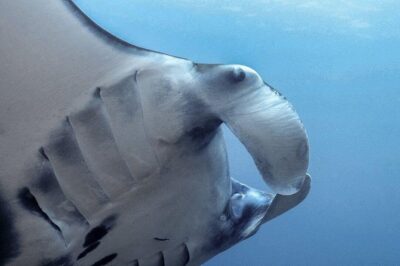
Advanced Open Water Course – Advanced Certification in Lembongan (next to Bali)
Read our review →
5 Fun Dives in Nusa Lembongan (for certified divers) – Swim with a Mola Mola
Read our review →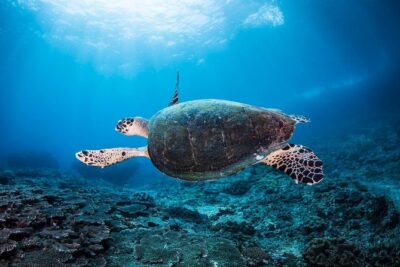
7 Fun Dives in Nusa Lembongan (for certified divers) – Premium Value Package
Read our review →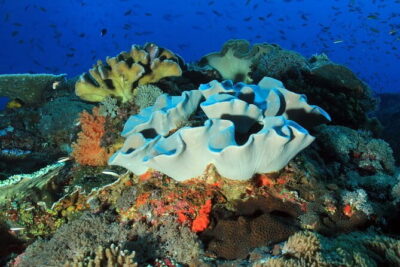
Lembongan Snorkeling at Manta Bay, Crystal Bay and Mangrove
Read our review →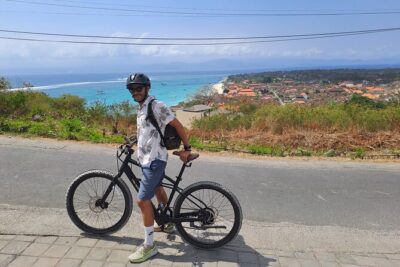
2 or 3 dives in Nusa Lembongan and Penida, for certified diver (in Lembongan)
Read our review →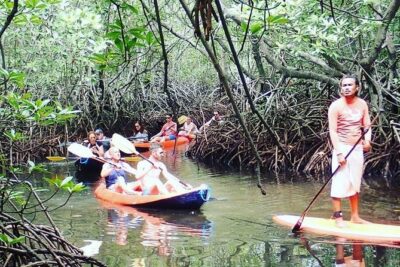
1 Hour Mangrove Tour From Lembongan with Kayak, Paddle, or Boat
Read our review →Browse the lists this tour appears in