
Reviewed · TOURS IN NUSA LEMBONGAN
Advanced Open Water Course – Advanced Certification in Lembongan (next to Bali)
The best part of this two-day SSI course is that it moves beyond basic certification without turning into a classroom marathon. You complete five supervised training dives around Nusa Lembongan, including deep-water practice, compass work, and three specialties chosen with your instructor.
I like the small maximum group of five, which gives you more personal coaching, and I like that the course includes the full equipment package, from wetsuit and regulator to buoyancy gear. The training center also has lockers, showers, Wi-Fi, and a restaurant, useful when you spend most of the day preparing for or returning from the water.
The main consideration is that you must already hold an Open Water certificate, and the course depends on suitable weather. The price is also a serious step up from a single recreational outing, though it includes five training dives and certification.
Key points to know before booking
- Five training dives in two days: You complete deep-water, navigation, and three choice-based adventure sessions.
- Depth training to 30 meters: The deep session teaches planning and the physical effects of greater depth under professional supervision.
- Small groups: The maximum is five participants, a useful limit for skill practice and instructor attention.
- Choose your specialties: Options can include photography, buoyancy control, fish identification, and wreck exploration.
- Convenient base: The center provides Wi-Fi, lockers, toilets, showers, a changing room, and a restaurant at your own expense.
- Experienced named instructors: Kaka, Sara, Silvère, Hugo, and Valentin are among the instructors connected with especially strong course feedback.
What the Advanced Open Water course really adds
An Open Water certificate gives you the basic skills to manage yourself underwater. This next step is less about collecting another card and more about becoming calmer, more capable, and more deliberate in the water.
You still work under an instructor, but the course asks you to take more responsibility. You will help plan parts of your sessions, monitor your air and depth, and use new skills in real conditions rather than only repeating basic exercises.
SSI presents this course as a mellower, less theory-heavy progression than the entry-level program. That does not mean there is no study. You still need to understand the purpose of each session and the risks involved, especially when you go deeper. The difference is that the learning is built around practical underwater work.
I think the format suits people who finished Open Water and want more confidence before joining regular recreational outings. It also works well if you are curious about a specialty but do not yet know which direction to take.
The course does not make you an expert. It gives you supervised experience with several types of underwater work. That distinction matters. You leave with broader skills, but you should still respect your limits and continue building experience gradually.
Other trips people book in Nusa Lembongan:
- Open Water Course in Nusa Lembongan – Get Certified on remote island (next Bali)
★ 5.0 · 864 reviews - 2 Days Discover Scuba Diving in Nusa Lembongan – Scuba Initiation
★ 5.0 · 506 reviews - 5 Fun Dives in Nusa Lembongan (for certified divers) – Swim with a Mola Mola
★ 5.0 · 205 reviews
Deep training to 30 meters
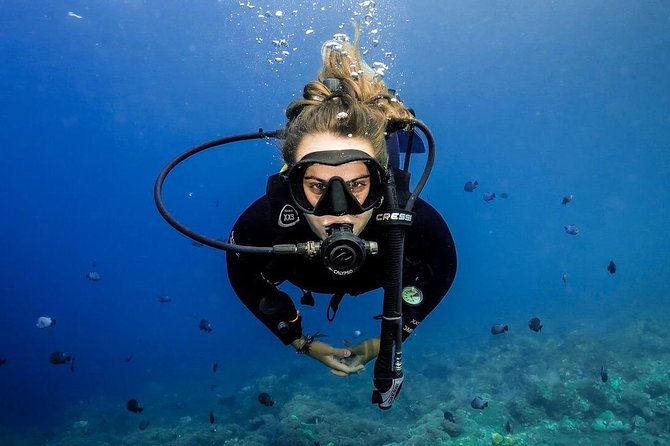
The deep adventure session is the course’s most technical element. You can qualify to go as deep as 100 feet, or 30 meters, within the limits of your certification and training.
At this depth, your instructor focuses on planning, air use, and the physical effects of going deeper. The session is not simply about reaching a number on a depth gauge. You learn why a deeper outing needs more careful preparation and how the underwater environment can affect your judgment and body.
This is valuable because depth changes the way you approach a session. You need to think about descent, bottom time, ascent, and how much air you have available. The course gives you a structured setting in which to consider these points with a professional close by.
I would not book this course just to chase the 30-meter limit. The real benefit is learning to make better decisions. If you are already comfortable with basic buoyancy and equipment use, deep training can add useful perspective. If your basic skills still feel shaky, tell your instructor early so the pace can match your ability.
The course description lists one session at a depth close to 100 feet. Actual conditions, your comfort level, and the instructor’s assessment all matter. Certification is not a promise that every participant will be pushed to the maximum depth in every situation.
Compass work and underwater navigation
The navigation session helps turn underwater movement from guesswork into a plan. You practice with a compass, then refine your sense of direction with kick cycles, time, and visible landmarks.
That combination is more useful than relying on a compass alone. Underwater visibility can change, and landmarks may be less obvious than they looked at the start. Counting kicks and tracking time gives you extra ways to estimate distance and find your way back.
I like this part of the course because it has a clear payoff on future outings. Good navigation can help you stay with your group, return to a planned point, and use your air more sensibly. It can also make you less dependent on following another person.
The session may feel less glamorous than a specialty involving wildlife or photography, but it is one of the most practical skills offered. You should expect to concentrate. Compass work is not difficult in theory, yet it takes practice to combine a heading with depth, buoyancy, breathing, and awareness of the people around you.
Choose three specialties that fit your interests
The remaining three sessions are selected with your instructor from a list of adventure options. This is where you can shape the course around the kind of underwater experience you want next.
Possible choices include photography, buoyancy control, fish identification, and wreck exploration. The exact choices available to you should be confirmed with the center before booking, since the course information presents these as examples rather than a fixed list for every participant.
Photography can help you learn to manage a camera without losing track of your buoyancy or your surroundings. Buoyancy control is useful if you want smoother movement, better air use, and less contact with the seafloor. Fish identification adds a naturalist angle, while wreck exploration appeals to people interested in underwater structures and history.
I would choose at least one specialty that strengthens a weak point, rather than selecting only the most exciting-sounding options. A buoyancy session may offer more long-term value than you expect. If you already feel steady in the water, photography or fish identification can give your outings a fresh purpose.
Ask the instructor to explain what each option involves before making your choices. The course is designed to let you plan your learning path, so this conversation is an important part of the experience.
Same base, a different sort of day:
- 7 Fun Dives in Nusa Lembongan (for certified divers) – Premium Value Package
★ 5.0 · 118 reviews - Lembongan Electric Bike tour
★ 5.0 · 56 reviews - Lembongan Snorkeling at Manta Bay, Crystal Bay and Mangrove
★ 5.0 · 56 reviews - 2 or 3 dives in Nusa Lembongan and Penida, for certified diver (in Lembongan)
★ 5.0 · 28 reviews
Five locations around Nusa Lembongan
The schedule lists five local stops: Crystal Bay, Manta Point, Mangrove Point at Nusa Lembongan, Toyapakeh, and Jungut Batu Beach. These names give you a sense of the geographic range, but the exact order and site selection can change with weather, sea conditions, and training needs.
Crystal Bay
Crystal Bay is listed as one of the course stops. Its inclusion gives you a chance to train away from the base around Jungutbatu, though the specific exercise assigned there depends on the day’s plan.
For you, the important point is not to treat the name as a guarantee of a particular sight or condition. A site can feel different depending on visibility, current, and weather. Use the boat trip and briefing to ask what skill will be practiced there and what conditions your instructor expects.
Manta Point
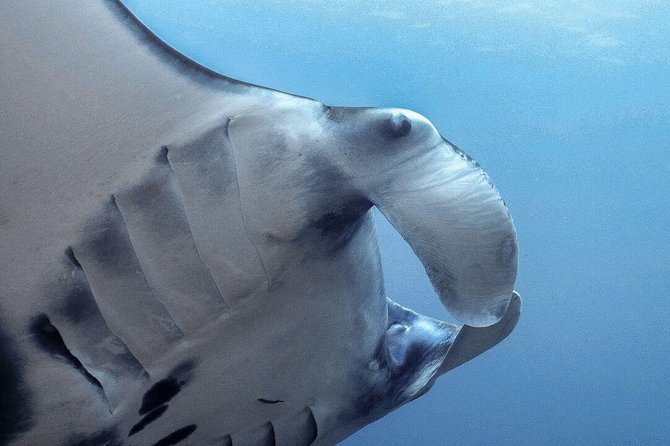
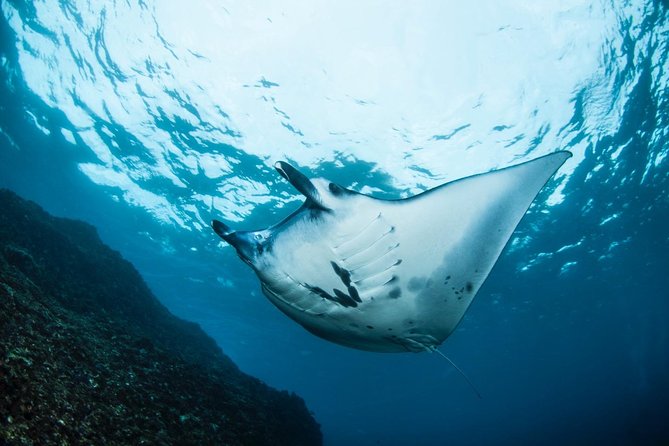
Manta Point is another scheduled location. The name suggests a wildlife-focused setting, but the supplied course details do not promise manta sightings. I would treat marine life as a welcome possibility, not the main reason to book the certification.
That approach keeps the day enjoyable even when the focus is training. You may be practicing navigation, buoyancy, or another specialty while also observing the local marine environment.
Mangrove Point
Mangrove Point at Nusa Lembongan gives the course another local setting close to the island. Its presence on the schedule may be especially convenient when conditions favor a site nearer the base.
As with every stop, listen closely during the briefing. The instructor’s site choice is part of the safety plan, and the same location can serve different teaching goals on different days.
Toyapakeh
Toyapakeh is included among the five stops and adds another site around the Nusa Penida and Lembongan area. The course information does not specify which specialty takes place there, so you should expect the final allocation to be decided by the instructor.
That flexibility is sensible. A good training plan responds to conditions rather than forcing a fixed sequence simply because it appears on a schedule.
Jungut Batu Beach
Jungut Batu Beach is both a listed stop and the area where the training center is located. Starting and ending at the same base keeps the arrangement straightforward, especially if you are staying nearby.
The course ends back at the meeting point. That makes it easy to collect your belongings, use the changing facilities, or stay for food at the center’s restaurant, with meals paid separately.
What is included for $431.28
The price is $431.28 per person for approximately two days. That is not a budget add-on to a holiday, but the value becomes clearer when you count what is included.
You receive five training dives, an SSI instructor, and the equipment needed for the sessions. The package lists a mask, snorkel, fins, buoyancy control jacket, regulator, other instruments, wetsuit, and weight belt.
You are not paying only for time in the water. You are also paying for instruction, planning, equipment preparation, and the chance to practice new skills with professional supervision. For someone who would otherwise need to rent equipment and arrange separate instruction, that bundled approach is convenient.
Still, check what you personally need before booking. Digital photos and videos cost extra, and accommodation is not included. The center has dormitory and bungalow options, but those are additional expenses. Food at the on-site restaurant is also your responsibility.
I see the price as reasonable for someone committed to continuing with scuba certification. It is less compelling if you only want a casual underwater outing or are unsure about completing all five sessions.
Small groups and the instructor team
The maximum group size is five participants. That is one of the strongest practical features of the course. Skills such as navigation and buoyancy are easier to assess when the instructor is not trying to manage a large crowd.
The named instructors associated with particularly strong course feedback include Kaka, Sara, Silvère, Hugo, and Valentin. Participants have described instructors who are patient, detailed, warm, professional, and able to keep the lessons enjoyable.
You may not be assigned one specific person, so do not book on the assumption that a particular instructor will lead your course. Instead, use those names as a sign of the teaching style the center aims to provide.
The best feedback focuses on safety, clear instruction, and personal attention. One returning participant completed Open Water with the same operator in Tulamben before taking Advanced Open Water in Lembongan, which suggests the school can support a continuing learning path across Bali.
If you are learning alone, the small group can be especially helpful. You will still meet other participants, but the course is not built around a large party atmosphere. It is built around practice.
The base, equipment, and daily comfort
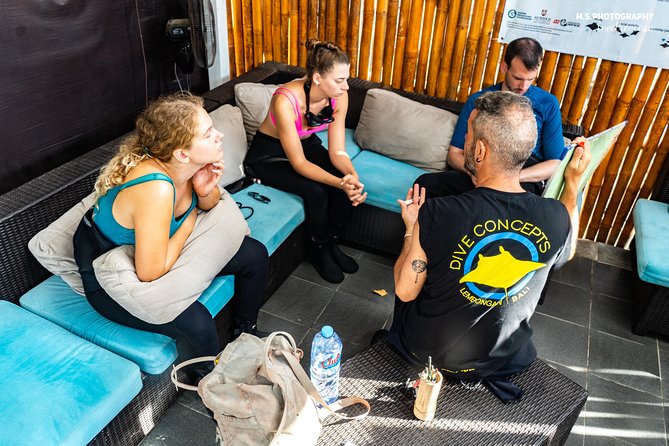
The center provides the basic comforts that make a two-day course easier. You have Wi-Fi, toilets, showers, a locker, and a changing room. Those details matter when you are carrying wet gear, changing between sessions, and spending long periods away from your accommodation.
The equipment list is broad. You receive the main personal and breathing equipment, along with a wetsuit and weight belt. Ask about fit as soon as you arrive. A mask that leaks or a wetsuit that feels wrong can distract you from the skills you are there to learn.
The center also has a restaurant. Since meals are not included, budget for your own food and drinks. Accommodation is available in dormitories and bungalows, but the course price does not cover it.
The meeting point is Dive Concepts Lembongan in Jungutbatu, Nusa Penida Regency, Bali 80771, Indonesia. The listed opening hours are 8:00 AM to 8:00 PM daily. Confirmation is sent within 48 hours of booking, subject to availability.
Who should book this course
I would recommend it to you if you already hold Open Water certification and want a structured next step. It suits people who want more practice before joining future recreational outings, as well as those curious about specialties such as photography, buoyancy control, fish identification, or wreck exploration.
It is also a good fit if you value a small group and direct instruction. The five-person limit, full equipment package, and on-site facilities reduce the practical hassle around the course.
You should think twice if your fitness is limited. The stated requirement is moderate physical fitness, and the course involves repeated sessions over two days. You should also be comfortable with the idea that weather may affect the schedule.
This is not the right choice if you only want a quick look underwater with no certification goal. You must already be Open Water certified, and the course asks you to study, plan, and complete five training sessions.
Final verdict: a useful next step for certified beginners
I would book this course if my goal were to become more confident and capable after Open Water certification. The five-session structure gives you variety, while the deep and navigation work adds skills you can use long after the certificate is issued.
The best value comes from the instruction and small group, not from any promise of a particular animal sighting. Choose your three specialties carefully, ask about the daily plan, and treat the 30-meter depth as a training limit rather than a target you must chase.
At $431.28, it is a meaningful expense, but the package covers equipment, instructor support, five training dives, and certification. Book it if you are ready to keep learning. Skip it if you want only a relaxed recreational outing or need accommodation and meals included in the price.
The cancellation terms are friendly: you can receive a full refund by canceling at least 24 hours before the start time. Weather cancellations offer a new date or a full refund, while changes made inside the 24-hour window are not accepted.
FAQ
Do I need an Open Water certificate to join?
Yes. You must already be Open Water certified before starting the Advanced Open Water course.
How long does the course last?
The course takes approximately two days.
How many training dives are included?
Five training dives are included in the course.
How deep can I train?
The course includes a deep adventure session that can qualify you to dive to 100 feet, or 30 meters, within the limits of your certification and instructor’s assessment.
Is equipment included?
Yes. The package includes a mask, snorkel, fins, buoyancy control jacket, regulator, other instruments, wetsuit, and weight belt.
Is an instructor included?
Yes. A certified instructor is included.
Which locations are included?
The listed stops are Crystal Bay, Manta Point, Mangrove Point at Nusa Lembongan, Toyapakeh, and Jungut Batu Beach.
Can I choose the specialties I study?
Yes. You plan your learning path with the instructor and select three adventure sessions from available specialties. Examples include photography, buoyancy control, fish identification, and wreck exploration.
Is accommodation included?
No. Dormitory and bungalow accommodation is available at the center, but it costs extra.
What happens if bad weather cancels the course?
You can choose a different date or receive a full refund if the experience is canceled because of poor weather.
Just added in Nusa Lembongan
- Lembongan Electric Bike tour★ 5.0 · 56 reviews
- Sound Bath Healing Journey on the Island of Nusa Lembongan★ 4.5 · 12 reviews
- Try Diving in Nusa Lembongan – Penida. For beginners (with 2 ocean dives)★ 5.0 · 20 reviews
- PADI Open water Course in Lembongan – Get certified & dive anywhere in the world★ 5.0 · 16 reviews
- Nusa Penida Private Car Charter★ 5.0 · 4 reviews
- Snorkeling Manta Ray in Nusa Lembongan★ 3.5 · 7 reviews
- Gong Sound Healing on Nusa Lembongan, Bali★ 5.0 · 3 reviews
- Lembongan and Ceningan Island Tour★ 4.5 · 17 reviews
Tours in Nusa Lembongan, compared.
Open Water Course in Nusa Lembongan – Get Certified on remote island (next Bali)
Read our review →
2 Days Discover Scuba Diving in Nusa Lembongan – Scuba Initiation
Read our review →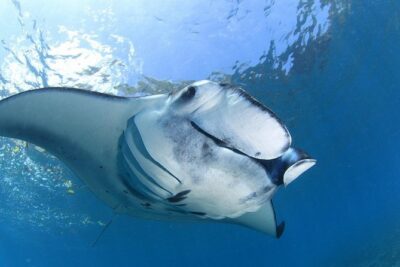
5 Fun Dives in Nusa Lembongan (for certified divers) – Swim with a Mola Mola
Read our review →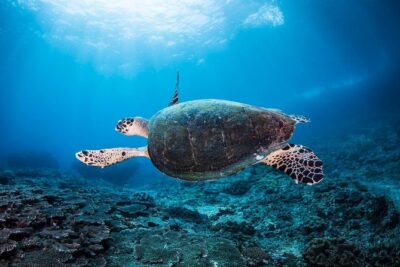
7 Fun Dives in Nusa Lembongan (for certified divers) – Premium Value Package
Read our review →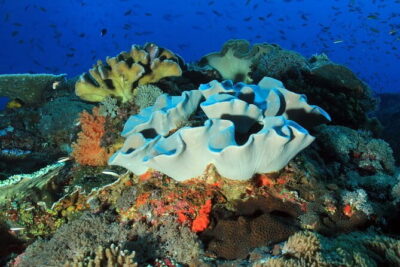
Lembongan Snorkeling at Manta Bay, Crystal Bay and Mangrove
Read our review →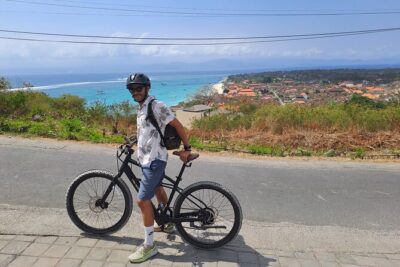
2 or 3 dives in Nusa Lembongan and Penida, for certified diver (in Lembongan)
Read our review →
1 Hour Mangrove Tour From Lembongan with Kayak, Paddle, or Boat
Read our review →Browse the lists this tour appears in