
Reviewed · SCUBA DIVING
PADI Open water Course in Lembongan – Get certified & dive anywhere in the world
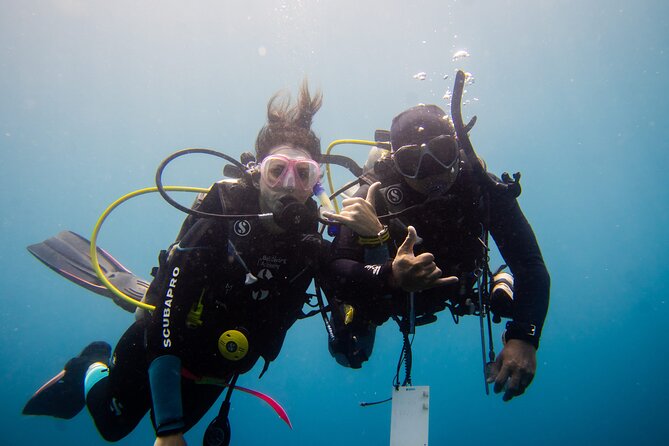
The most useful thing about this three-day PADI course is its clear progression: study the basics, practice in confined water, then use those skills in the sea. You finish with a certificate accepted around the world and permission to descend to 18 meters.
I like the small maximum group of four and the patient teaching style reported from instructors such as Mark, Rai, Carlos, Tom, and Sib. I also like that the final two days take you to real ocean sites near Nusa Penida, where turtles and octopus may replace the calm simplicity of the training pool.
The main consideration is time. You need to handle online study, classroom review, confined-water training, and four open-water sessions across three days. At $425 per person, this is a serious course rather than a cheap one-off activity, and the non-refundable policy makes weather and schedule planning important.
Key points before you book
- Three days to a worldwide certificate: Complete the PADI Open Water course and qualify to scuba to 18 meters.
- Four-person maximum: Small groups should give your instructor more time to watch your technique and answer questions.
- Pool work comes first: You learn core skills in confined water before heading out to the sea.
- Nusa Penida ocean sites: The second and third days use four open-water sessions to build confidence in real conditions.
- PADI e-learning saves classroom time: You can complete the theory before the course or during the three-day program.
- Plan carefully around weather: The booking is non-refundable, though poor weather can lead to another date or a full refund.
What you are really buying for $425
The $425 price pays for more than four underwater sessions. You are paying for a formal PADI course, instruction, equipment, safety supervision, theory review, confined-water practice, and the four required open-water sessions. Most important, you leave with a certificate that is recognized internationally.
That matters if you plan to continue scuba trips elsewhere. Instead of taking a beginner class every time you visit an island, you can show your PADI certification and join suitable outings within your qualification.
I see this as reasonable value for someone committed to learning properly. It is not the right price for a person who only wants a quick try at breathing underwater. A standard introductory session would be a different sort of experience, while this course asks you to study, practice, repeat skills, and pass through each stage.
The course also has a practical advantage over a large classroom operation. With a maximum of four people, your instructor can see how you assemble equipment, clear a mask, control your buoyancy, and respond to problems. Those small corrections matter more than flashy scenery when you are new.
Other dives booked from Nusa Lembongan:
- 2 Days Discover Scuba Diving in Nusa Lembongan – Scuba Initiation
★ 5.0 · 506 reviews - 5 Fun Dives in Nusa Lembongan (for certified divers) – Swim with a Mola Mola
★ 5.0 · 205 reviews - 7 Fun Dives in Nusa Lembongan (for certified divers) – Premium Value Package
★ 5.0 · 118 reviews
Day one: theory, equipment, and confined-water practice
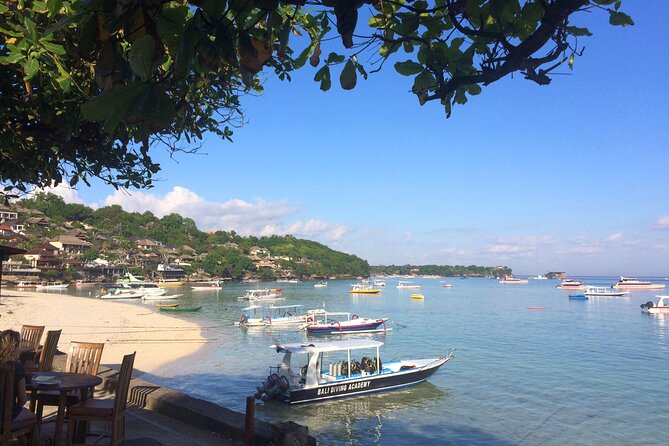
Your meeting point is Bali Diving Academy Lembonganisland in Jungut Batu, with an 8:00 am start. The course theory takes place through the PADI e-learning platform and is reviewed with a certified instructor.
You can complete the online material before arriving, which is the smartest choice if you want to keep the three days focused on practical training. You can also complete it during the course, but that makes an already full schedule feel tighter. The online work covers the basic facts, principles, and concepts behind scuba, so you understand why you are learning each skill rather than simply copying a hand signal.
The first practical session is confined water, described as a pool session. This controlled setting gives you a sensible place to get used to the equipment and learn basic techniques. You can focus on breathing, body position, and emergency procedures without the extra movement and uncertainty of the open sea.
This is often the most important day emotionally. Many beginners are fine on land but feel awkward when breathing through a regulator or trying to control their position in water. A calm instructor makes a real difference here. The teaching praise attached to Mark, Rai, Carlos, Tom, and Sib points to the type of support you should expect, though your assigned instructor depends on the schedule.
Do not rush this stage. If a skill feels unclear, ask for another explanation or another attempt. The purpose of confined water is not to look impressive. It is to build habits you can use when visibility, current, or nerves make things harder.
Days two and three: four sessions in the ocean
The second and third days move into open water around Nusa Penida. The course includes open-water sessions one through four, giving you repeated chances to use the skills from day one and explore the sea at the same time.
The exact site conditions can vary, and the course requires suitable weather. That is worth remembering in a place where the sea is part of the attraction but cannot be controlled. If weather makes the activity unsafe, the operator offers another date or a full refund.
The move from confined water to the ocean is where the training becomes real. You must manage your equipment while dealing with a less predictable setting. Your instructor remains responsible for guiding the group and checking your progress, but you also need to stay attentive, follow instructions, and keep a sensible pace.
The small group limit helps here. Four people give the instructor room to monitor each student rather than treating the class as one moving block. That should be particularly helpful if one person is confident and another needs more time.
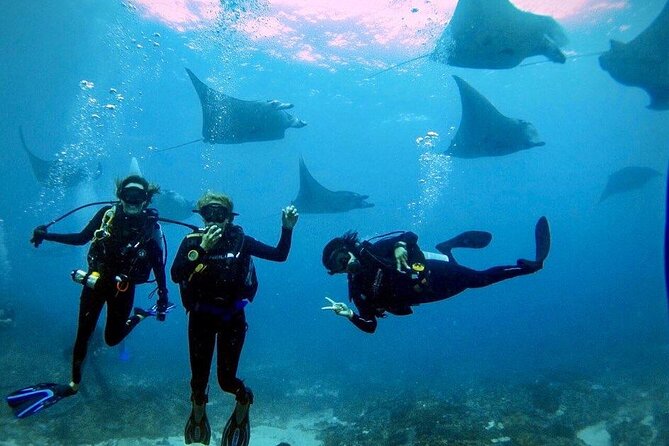
The ocean sessions are not just tests in a blue classroom. They are also your first chance to see local marine life. One course participant finished with sightings of turtles and octopus, along with other creatures. You should treat those encounters as a bonus, not a guarantee. Your certification depends on safe skill development, not on a particular animal appearing.
By the end of the fourth session, you should have practiced the basic methods required for entry-level scuba. The certificate allows you to go down to 18 meters, but certification is not a command to reach that depth immediately. You should continue at a pace that matches your comfort and experience.
The instructors and the feel of the teaching
The strongest pattern in the available feedback is the teaching. Mark is described as making the course feel especially enjoyable, while Rai is praised for being helpful, kind, and fun. Carlos is described as patient and competent, and Tom as calm, reliable, and capable.
Sib, also referred to as Sybille in one account, receives particular praise for a careful focus on safety. Claire is mentioned as part of the teaching team in another certification experience. These names give you a useful sense of the staff, but they should not be read as a promise that one particular instructor will lead your course.
What I value here is the balance between warmth and control. Beginners need an instructor who can explain a task clearly, correct mistakes without drama, and keep safety ahead of the schedule. The reports of patient teaching and calm instruction are more meaningful than a generic claim about friendly staff.
The academy says its instructors are certified and insured, and that they know the local reefs and habitats. It also states that it has maintained a 100 percent safety record. You should still listen carefully, disclose any concerns, and respect the instructor’s decisions about conditions and progression.
The course has also been used by families with young participants. Two children aged 13 and 17 completed the three-day program, and another family described children aged 10 and 12 earning certification in earlier years. The supplied details do not state the current minimum age for this particular booking, so families should confirm eligibility before paying.
Same base, a different sort of day:
- Open Water Course in Nusa Lembongan – Get Certified on remote island (next Bali)
★ 5.0 · 864 reviews - Advanced Open Water Course – Advanced Certification in Lembongan (next to Bali)
★ 5.0 · 222 reviews - Lembongan Electric Bike tour
★ 5.0 · 56 reviews - Lembongan Snorkeling at Manta Bay, Crystal Bay and Mangrove
★ 5.0 · 56 reviews
Why the small group matters
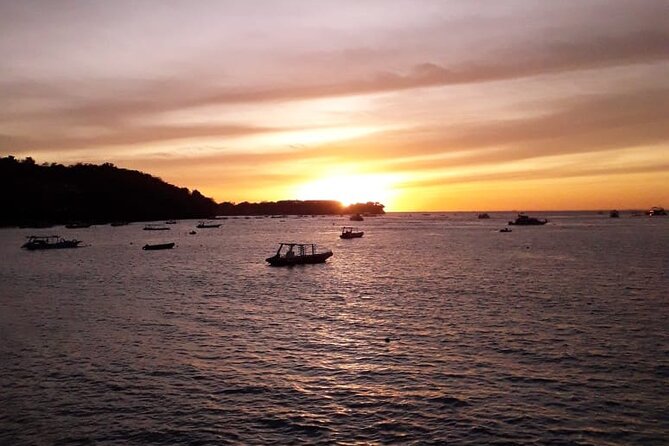
A four-person maximum is one of the best practical details in this experience. Small groups do not guarantee a perfect lesson, but they reduce the chance that you will be lost behind a crowd.
For a beginner, the value is simple:
- Your instructor can watch your technique more closely.
- Questions are easier to ask and answer.
- Nervous students can receive more direct reassurance.
- Skill practice should involve less waiting.
- The group can move at a pace that suits the people actually present.
The limitation is that a small group does not turn the course into private instruction. You still share the instructor’s attention, and the day still follows a set program. If you want one-to-one teaching, ask whether a private option exists, since that is not stated here.
The small format also suits people who dislike the feel of a mass-market water activity. The academy describes its scuba and snorkeling work as small-group, with professional guides and a focus on safety. That makes this more appealing to a first-time student who wants to learn rather than simply be escorted underwater.
Health, fitness, and preparation
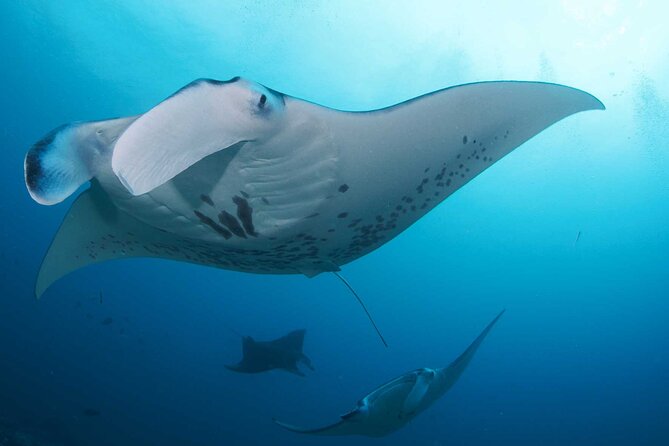
You need a moderate level of physical fitness. The course involves three active days, equipment, water work, repeated practice, and ocean conditions. The information does not provide a medical questionnaire or a detailed list of restrictions, so you should raise any health concerns with the operator before booking.
Prepare by completing as much of the PADI e-learning as possible before day one. That leaves more energy for the pool session and reduces the amount of reading competing with your practical training.
Arrive ready for an early start at 8:00 am. The course begins at the academy’s Jungut Batu meeting point and ends there as well. Since the program uses several stages, avoid scheduling an important activity immediately afterward. You may finish tired, and the course deserves your full attention.
Bring patience. New students often want the colorful sea life right away, but the equipment checks and basic skills are what let you enjoy the ocean safely later.
Who should take this course
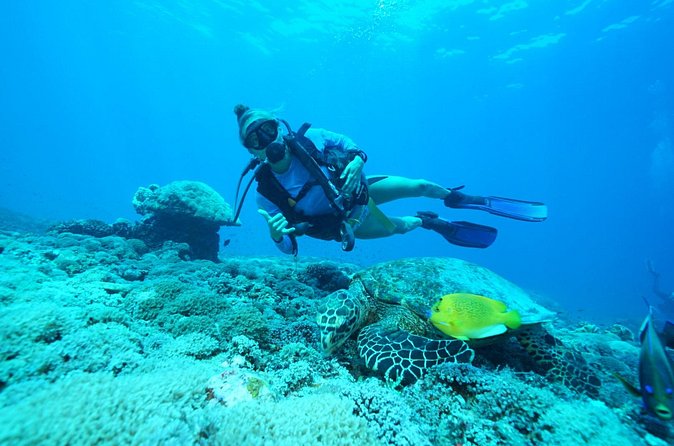
This course suits you if you want a recognized qualification and expect to scuba again. It is also a good match if you prefer a structured learning path, appreciate a small class, and can commit three days without trying to squeeze in unrelated plans.
It may suit families with eligible children, couples where one person is new and the other needs refresher training, and solo visitors who want a compact certification program. The academy has handled combinations of an Open Water student and a refresher student, though you should confirm how that arrangement works for your booking.
It is less suitable if you want a relaxed half-day activity, dislike online study, or are not ready for repeated practice. The certificate is valuable precisely because the course asks you to learn real procedures rather than simply enjoy a scenic underwater outing.
Booking, weather, and cancellation details
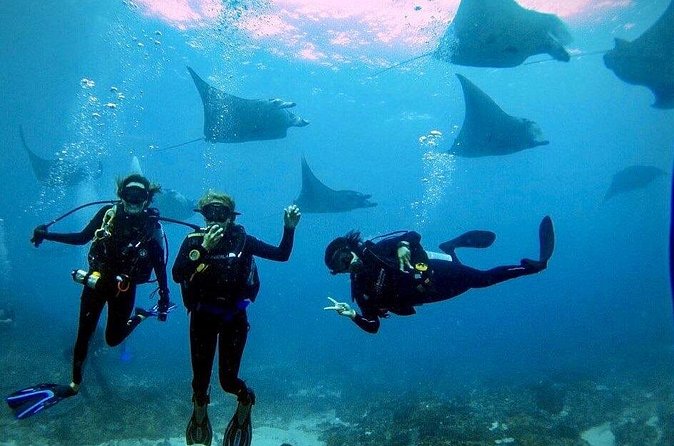
Confirmation is normally provided at booking. If you book within five days of departure, confirmation may arrive within 48 hours and remains subject to availability.
The booking is non-refundable and cannot be changed for personal reasons. Weather is the important exception: if poor conditions cancel the course, you can receive another date or a full refund. If the minimum number of participants is not reached, you are offered another date or experience, or a full refund.
That policy makes travel insurance and schedule planning sensible, especially if you are arranging flights or a short island stay around the course. Keep the three days reasonably open.
Is the Lembongan Open Water course worth it?
Book it if you want a proper qualification, not just a first taste. The combination of PADI e-learning, confined-water practice, four ocean sessions, professional instruction, and a four-person maximum gives you a clear route from beginner to certified scuba diver.
The $425 cost makes the most sense when you expect to use the certificate again in Indonesia or elsewhere. The course is demanding enough to require preparation, and the non-refundable terms mean you should check your schedule and health before booking.
For a first certification in Nusa Lembongan, I would choose this experience if small-group teaching and patient instruction matter more to you than finding the lowest price. You get a recognized qualification, a careful progression, and a chance to meet the sea on sensible terms.
FAQ
How long is the PADI Open Water course?
The course lasts approximately three days. Theory, confined-water training, and four open-water sessions are spread across the program.
Where does the course start and finish?
You meet at Bali Diving Academy Lembonganisland in Jungut Batu at 8:00 am. The activity ends back at the same meeting point.
Is the certification recognized worldwide?
Yes. The PADI Open Water certificate is recognized around the world and allows you to scuba to a maximum depth of 18 meters.
Can I complete the theory before arriving?
Yes. The theory is completed online through the PADI e-learning platform and reviewed with a certified instructor. You can do it before the course or during the three-day program.
How many people are in each group?
The maximum group size is four participants.
What happens if bad weather cancels the course?
If poor weather causes cancellation, you are offered another date or a full refund. The same options apply if the minimum number of participants is not reached.
Just added in Nusa Lembongan
- Lembongan Electric Bike tour★ 5.0 · 56 reviews
- Sound Bath Healing Journey on the Island of Nusa Lembongan★ 4.5 · 12 reviews
- Try Diving in Nusa Lembongan – Penida. For beginners (with 2 ocean dives)★ 5.0 · 20 reviews
- Nusa Penida Private Car Charter★ 5.0 · 4 reviews
- Snorkeling Manta Ray in Nusa Lembongan★ 3.5 · 7 reviews
- Lembongan and Ceningan Island Tour★ 4.5 · 17 reviews
- Three Islands Snorkeling (3 Spots) Manta Rays – From Lembongan★ 4.5 · 5 reviews
- Gong Sound Healing on Nusa Lembongan, Bali★ 5.0 · 3 reviews
Scuba Diving, compared.
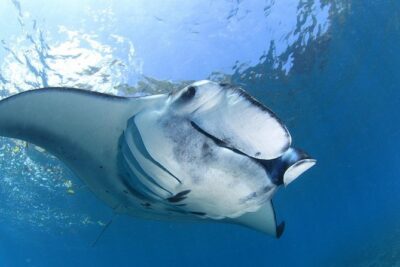
2 Days Discover Scuba Diving in Nusa Lembongan – Scuba Initiation
Read our review →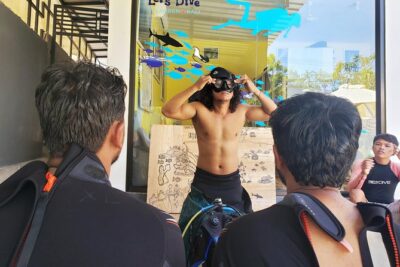
Bali Diving for Beginners: Tulamben Liberty Wreck
Read our review →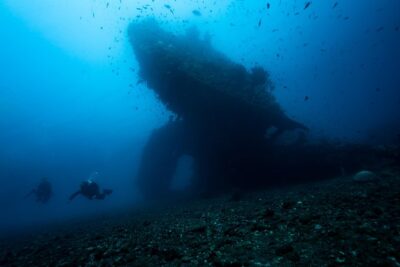
Discover Scuba Diving in Tulamben – Diving Initiation in Bali best diving sites
Read our review →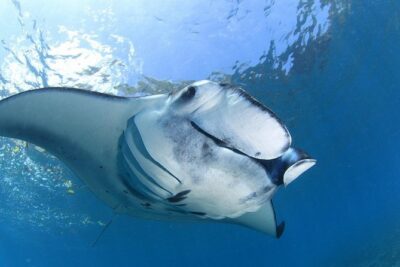
5 Fun Dives in Nusa Lembongan (for certified divers) – Swim with a Mola Mola
Read our review →
Nusa Penida Two Dives Trip for Certified Divers
Read our review →
Day Trip certified divers – 3 Dives in Tulamben (pick-up & drop-off included)
Read our review →
Two fun dives morning trip (Certified Divers only)
Read our review →Browse the lists this tour appears in