
Reviewed · HOT SPRINGS
Explore Mount Rinjani To Summit, Lake & Hot Spring (3D 2N)
Mount Rinjani saves its biggest rewards for people willing to work for them. This three-day route takes you toward the summit for sunrise, down to the crater lake and hot springs, then back up the crater rim before a long descent to Senaru. It is a serious mountain trip, not a gentle sightseeing walk.
I like the practical support here. Porters carry the tent, cooking gear, and camping equipment, while your guide handles the route and camp routine. I also like the food arrangements, which include three liters of drinking water per person per day and several reports of varied, well-prepared meals from guides such as Deni, Lim, Wan, and Adi.
The main catch is the physical demand. The route includes a night or very early climb to the summit, steep loose ground, another climb to the far side of the crater, and a four-to-five-hour descent on the final morning. You need good fitness, previous mountain experience, and proper cold-weather and rain gear.
Key points to know before booking
- Summit sunrise and crater lake: The route combines Rinjani’s major sights in one demanding three-day circuit.
- Private group format: Only your own group takes part, with an English-speaking guide and porters.
- Camping support: Tents, sleeping bags, mattresses, pillows, a toilet tent, paper, and chairs are supplied.
- Meals and water included: Food and three liters of mineral water per person per day are part of the package.
- Strong physical requirements: The operator specifically recommends this plan for experienced trekkers.
- Extra costs remain: The entrance fee, personal hiking gear, transfers, tips, and a night in Senaru are not included.
Why this Rinjani route is worth the effort
Mount Rinjani is not simply a summit walk. The appeal of this plan is the change in scenery and effort across three days. You climb toward the crater, continue to the summit for sunrise, drop down to the lake, stop at the hot springs, then climb again to another section of the crater rim for sunset.
That variety gives the trek a real sense of progression. You are not walking up and down the same path. Each stage asks something different from you, from night-time stamina to careful downhill movement and another uphill push after lunch.
The reward is a broad view from the top, followed by a close look at the crater lake below. The lake and hot springs add a welcome change after the summit effort. Just keep your expectations realistic: this is a hard mountain crossing with camping, not a comfortable resort excursion with a short scenic walk.
Other treks in Lombok people book:
- 2D1N Senaru Crater Rim Trekking
★ 5.0 · 178 reviews - 3D-2N Explore Mount Rinjani – Summit -Lake and Hotspring
★ 5.0 · 112 reviews - Rinjani trekking 2D 1N RIM
★ 5.0 · 94 reviews
Day one: reaching the crater and settling into camp
The exact timing of each walking section is not provided, but the route begins from the Dhyns Rinjani Hiking office in Senaru, in North Lombok. This is also where the activity ends, and luggage storage is available at the office during the trek.
The first major stop listed is Sendang Gile and Tiu Kelep Waterfall. These waterfalls give the opening section a different character from the exposed mountain route. You can expect a forest setting and a chance to see two of Senaru’s best-known waterfall sites before or around the start of the main trek.
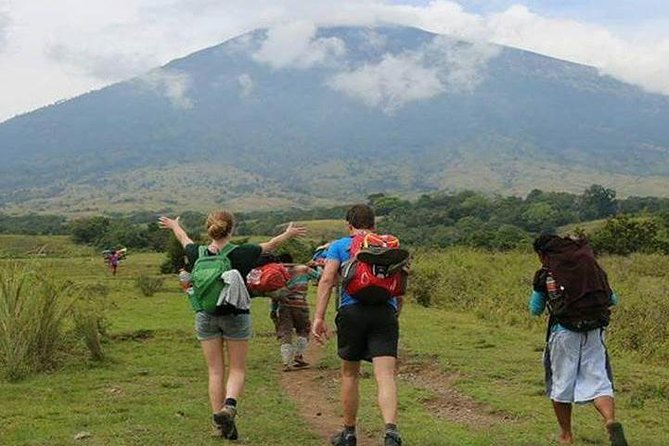
The itinerary then takes you up toward the crater. This first climb is where you settle into the rhythm of the trip. Porters carry the shared camping equipment and cooking supplies, but that does not remove the need for a sensible personal day pack. You still need to carry your own essential items unless you pay for an extra porter to carry personal luggage.
At camp, the support team sets up the sleeping arrangements and prepares food. The supplied equipment includes a tent, sleeping bag, mattress, pillow, chair, toilet tent, and toilet paper. That is a useful package on a mountain where carrying every piece of camping equipment yourself would make the climb much harder.
The first evening also matters because you need to prepare for the summit push. Keep warm layers, water, and your headlamp easy to reach. A headlamp or hand torch is not included, so it is one of the first items you must arrange yourself.
The summit push: sunrise, cold, and loose ground
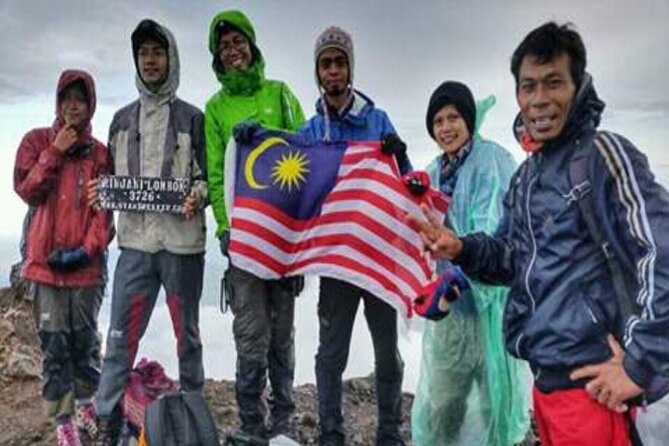
The summit section is the hardest part of the experience. The plan is to continue climbing from the crater area to reach the summit in time for sunrise. The operator describes this program as especially suited to experienced trekkers, and that warning deserves your full attention.
You need enough stamina for a long climb in darkness or low light, followed by a descent later in the day. The mountain may feel cold before sunrise, so gloves, warm layers, long pants, and a rain jacket belong in your pack. None of those personal clothing items are included.
From the summit, the main prize is the wide view across Rinjani and the surrounding area. The route description promises a full view from the top, but mountain weather can affect what you see. The weather requirement is important enough that poor conditions may lead to a new date or a full refund.
Do not judge the summit climb only by distance. The combination of early timing, steep ground, cold air, and fatigue makes it difficult. Loose volcanic footing can also slow you down and make the descent tiring. You will want shoes with a proper grip, although trekking shoes are not provided.
The guiding team appears to put real attention into preparation. One reported arrangement included a clear briefing and a medical check before the hike. That is a helpful practice on a demanding route, especially when the group includes people with different levels of mountain experience. Still, a briefing cannot replace training. You should arrive ready to walk for long periods on steep ground.
Down to the crater lake and hot springs
After the summit section, the route descends toward the crater lake. This is a major change in mood. You move from the exposed summit climb to a lower area where the lake becomes the main feature.
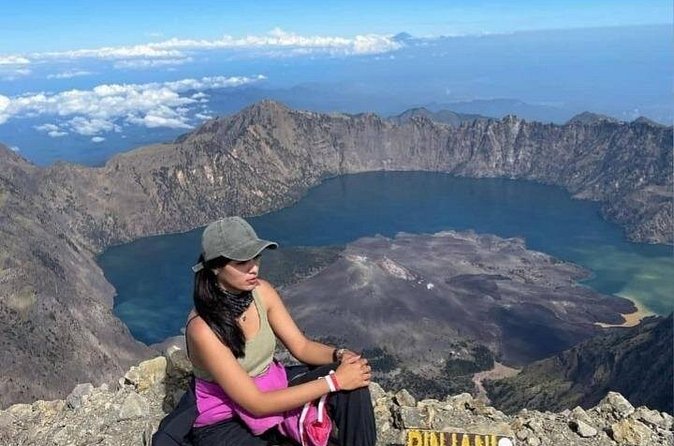
The lake is one of the strongest reasons to choose the full three-day itinerary. You get time to see it from above and then reach its level, rather than simply stopping at a distant viewpoint. The views across the crater are likely to be one of the trip’s defining moments, but the descent can be hard on your knees after the summit effort.
Lunch is taken near the lake, giving you a proper chance to eat and recover. Food is included throughout the trek, and the team prepares meals at camp and along the route as part of the supported service. Several guide teams received particular praise for the food, including Deni’s group and Wan’s team, with varied dishes served during the trek.
After lunch, you can enjoy the hot springs for a few minutes. This is a short stop, not a long bathing session. Even so, the timing is valuable. A brief soak offers some relief after the summit and descent before you face another climb.
The hot springs are not a reason to underestimate the route. You still have to climb back up to the other side of the crater afterward. That second ascent is an important detail when judging the tour. The lake and hot springs make the route more interesting, but they do not make it easier.
More walking routes from Lombok:
- 3D/2N Rinjani trekking summit,lake and hot springs.
★ 5.0 · 85 reviews - Rinjani Trekking 3D2N Summit
★ 4.5 · 85 reviews - Rinjani Trekking 3 Days 2 Nights (Sembalun – Senaru)
★ 5.0 · 84 reviews - Mt. Rinjani 2D1N Senaru Crater Rim
★ 5.0 · 75 reviews
The second crater climb and sunset camp
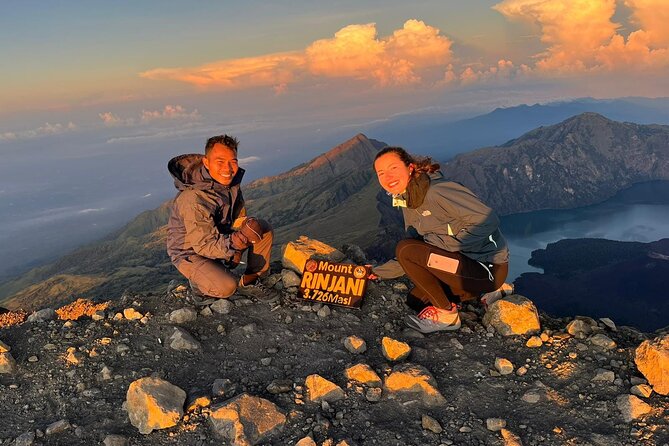
The route climbs again to another side of the crater for sunset. This is the point where a strong first day and summit push begin to matter. You may feel tired by now, and the second uphill section can test your pace and patience.
The reward is a different view from the one you had at sunrise. The changing light over the crater, lake, and surrounding mountains gives the trek another memorable viewpoint without repeating the summit experience.
You spend the second night camping. The tent, sleeping bag, mattress, pillow, chair, and toilet tent are included, but this remains basic mountain camping. You should not expect a private room, a shower, or hotel-style comfort. Luggage storage at the Senaru office is useful because you can leave items that have no place on the trail.
The private format is helpful here. The activity is limited to your own group, so your guide can work with your pace and group needs rather than merging you into a large public departure. Group discounts are listed as an available feature, though the exact discount is not specified.
The four-to-five-hour return to Senaru
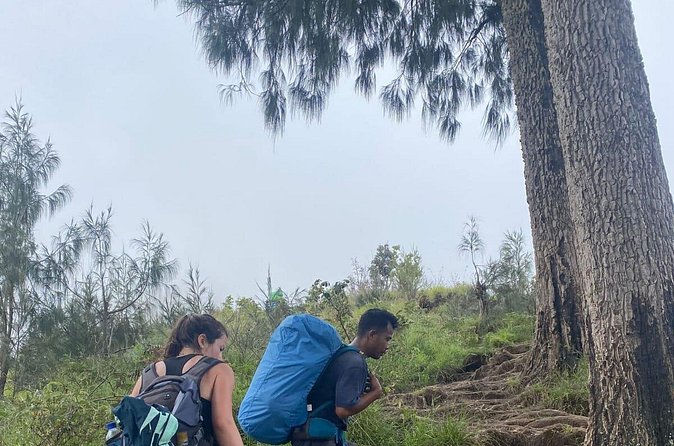
The final morning involves a four-to-five-hour climb back down to Senaru. Calling it a climb down is accurate, but it does not mean an easy stroll. After two days of steep terrain, a long descent can be tiring and uncomfortable, especially if your knees are not used to mountain walking.
Plan to keep your walking poles, water, and snacks within reach if you use them. The package supplies drinking water, with three liters per person per day, but you still need a suitable bottle or hydration system to carry it.
The activity ends back at the Dhyns Rinjani Hiking meeting point. Pick-up before the trek and transfers afterward are not included, so you need to arrange your own transport around the start and finish. A night in Senaru before the trek is also separate.
That extra night is worth considering from a practical point of view. The tour does not include it, but arriving the night before can give you time to reach the office, rest, complete any preparation, and avoid turning the start of a demanding trek into a rushed morning.
What the $180 price really covers
At $180 per person, the tour offers a useful amount of mountain support for the price. The package covers an English-speaking guide, trekking porters for cooking and camping equipment, meals, drinking water, camping gear, and luggage storage at the office.
The included equipment has real value. A tent, sleeping bag, mattress, pillow, chair, toilet tent, and paper would add weight and cost if you had to provide everything yourself. The porters also allow you to focus on walking with a manageable personal pack.
The price does not cover the Mount Rinjani entrance fee, listed as IDR610,000 per person. You also need to budget for a headlamp, trekking shoes, rain jacket, long pants, gloves, an extra porter for your own luggage, guide and porter tips, transport before and after the trip, and accommodation in Senaru before the trek.
This makes the headline price a starting point rather than the complete cost of your mountain trip. Even so, the package is good value if you already have suitable clothing and hiking equipment and do not need extra transport or personal porter service.
The food is another strong part of the value. The support team cooks during the trek, and the supplied water allowance is generous for a hard route. Food quality can vary with conditions, but the named teams associated with Deni, Lim, Wan, and Adi received especially positive attention for their care and cooking.
Guides, porters, and the level of support
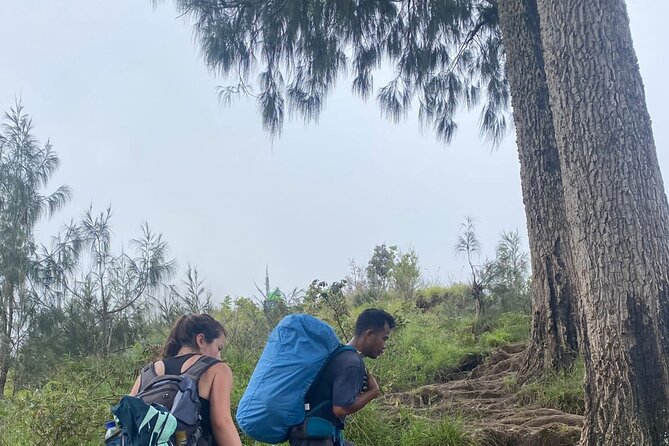
Dhyns Rinjani Hiking assigns an experienced English-speaking guide, with guide names associated with previous trips including Deni, Lim, Wan, and Adi. You may not receive a specific guide by request unless the company confirms it, so treat those names as examples rather than a guarantee.
The porters carry cooking and camping equipment. This is a key part of the experience, not a minor extra. Their work allows the guide to focus on the route and allows you to reserve your energy for the summit and crater climbs.
The support also includes a clear briefing and, in at least one arrangement, a medical check before departure. That gives you a better start than simply arriving at a trailhead and walking off without preparation.
There is an ethical point worth noticing in the service reports: one team was praised for collecting rubbish from the mountain rather than leaving waste behind. You should still carry your own waste carefully and respect the trail, but this suggests that clean trekking is treated seriously by at least some of the assigned teams.
You can request an extra porter for your personal luggage, but that cost is separate. The standard porter service is for cooking gear and camping equipment, so pack as if you will carry your own clothes, water, and personal items.
Who should book this trek?
You should consider this route if you have several previous mountain climbs, can manage long uphill and downhill sections, and are comfortable with basic camping. It suits someone who wants Rinjani’s summit, lake, hot springs, and crater views in one trip rather than a short introduction to the mountain.
It is less suitable if you have little hiking experience, dislike steep descents, or expect a relaxed holiday pace. The additional information gives a moderate fitness suggestion, but the program itself is specifically designed for experienced trekkers. I would follow the stricter warning.
The private format may suit friends, couples, or families of fit adults who want to walk at their own group pace. The operator lists group discounts, so a larger private group may improve the value, though you should confirm the exact rate before booking.
Bring a headlamp, gloves, long pants, a rain jacket, proper trekking shoes, and a day pack. Leave unnecessary luggage at the office if possible. Arrange your Senaru accommodation and transport separately, and ask about the entrance fee and any extra porter costs before you commit.
Cancellation is free up to 24 hours before the local start time for a full refund. Changes made inside that period are not accepted, and poor weather or failure to reach the minimum number of participants can lead to a new date or a full refund.
Should you book the 3-day Rinjani route?
Book it if the summit sunrise matters to you and you want the complete crater experience, including the lake, hot springs, and a second sunset viewpoint. The price is attractive once you account for the guide, porters, food, water, camping equipment, and luggage storage.
I would not book it simply because it appears inexpensive. Add the entrance fee, gear, transport, accommodation, tips, and possible personal porter service to your budget. Most important, be honest about your fitness. This itinerary asks you to summit, descend to the lake, climb again, camp twice, and walk down to Senaru for another four to five hours.
For a fit and experienced trekker, Dhyns Rinjani Hiking offers a well-supported way to see Rinjani’s main sights in three days. For a first-time mountain walker, a shorter or less demanding plan would be a wiser choice.
FAQ
How long is the Mount Rinjani trek?
The experience lasts three days and two nights.
Where does the trek start and finish?
It starts at the Dhyns Rinjani Hiking office in Senaru, North Lombok, and ends back at the same meeting point.
Does the trek reach the Mount Rinjani summit?
Yes. The route includes a summit climb planned around sunrise.
Are food and drinking water included?
Yes. Food and three liters of mineral water per person per day are included during the trek.
Is camping equipment provided?
Yes. The package includes a tent, toilet tent and paper, sleeping bags, mattresses, pillows, and chairs.
What is not included in the price?
The Mount Rinjani entrance fee of IDR610,000 per person, headlamp, trekking shoes, rain jacket, long pants, gloves, personal porter service, tips, transport before and after the trek, and a night in Senaru are not included.
More hot springs near Lombok
- Mount Rinjani 3D2N Private Trek – Summit, Crater Rim & Hot Spring
★ 5.0 · 13 reviews - Mount Batur Sunrise Hike and Natural Hot Spring Option
★ 5.0 · 1,927 reviews - Ubud Hot Springs and Waterfall Private Guided Tour
★ 5.0 · 719 reviews - Mount Batur Jeep Tour and Hot Spring
★ 5.0 · 524 reviews
Just added in Lombok
- Trekking Rinjani Volcano To Crater Rim Senaru 2D-1N Private – Syam Trekker★ 5.0 · 45 reviews
- Full-Day Private Trip to South Lombok★ 5.0 · 15 reviews
- Waterfall Tour And Sasak Traditional Tour★ 5.0 · 3 reviews
- MODERATE HIKING: 2D/1N Crater Rim Senaru | Rinjani Samalas Tour★ 5.0 · 8 reviews
- Trekking Rinjani Mountain Summit 2 Days 1 Night – Em Adventure★ 5.0 · 42 reviews
- Panorama Walking Tour and Culture, West Lombok★ 5.0 · 6 reviews
- Lombok Tour For Cruise Passangers★ 4.5 · 16 reviews
- Fantastic trip to Sindang Gile & Tiu Kelep Waterfall★ 4.5 · 3 reviews
Hot Springs, compared.
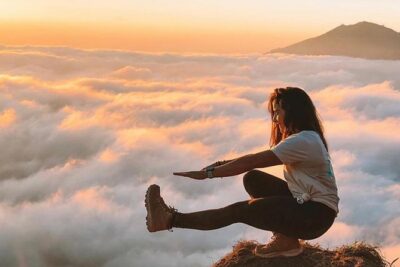
Mount Batur Sunrise Hike and Natural Hot Spring Option
Read our review →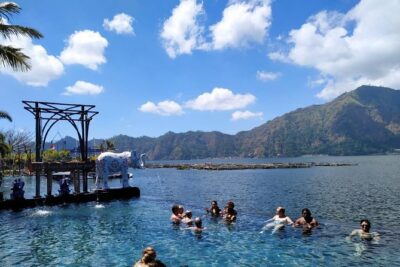
Ubud Hot Springs and Waterfall Private Guided Tour
Read our review →
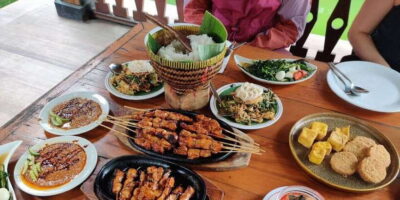
Volcano, Tea/Rice Fields, Hot Spring, Local Food
Read our review →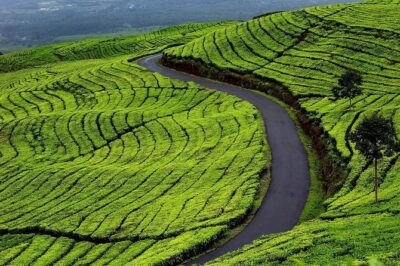
Active Volcano, Rice Field, Hot Spring, Fruit market, Tea Plantation with Lunch
Read our review →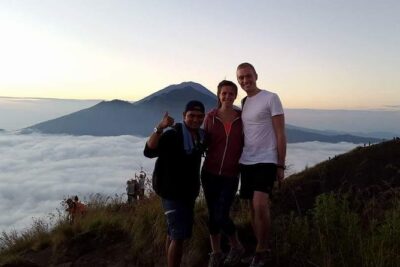
Mt Batur Sunrise, Breakfast & Natural Hot Springs
Read our review →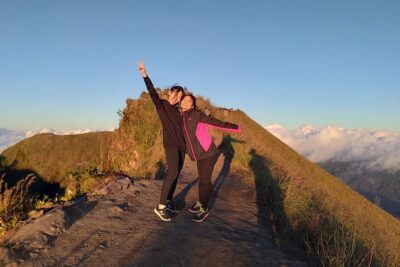
Private Tour Mount Batur Sunrise Trekking and Natural Hot Spring
Read our review →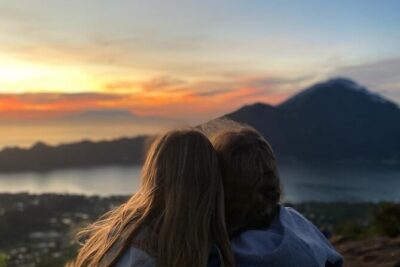
Mount Batur Sunrise Hike, Breakfast & Hot Spring
Read our review →Browse the lists this tour appears in