
Reviewed · HIKING & TREKKING
Rinjani Trekking 3 Days 2 Nights (Sembalun – Senaru)
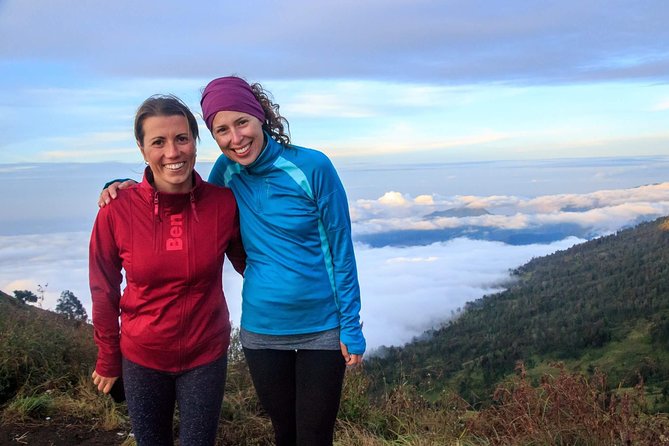
Mount Rinjani gives you the full volcano workout in one hard package: summit, crater lake, hot springs, and two crater-rim camps. You begin at Sembalun and finish at Senaru, so this is a point-to-point trek rather than a walk back along the same route.
I like the private format, with a guide and porters focused on your group, and I like that the price includes the practical heavy items: meals, water, camping gear, park fees, and transfers. Guides such as Mul, Dani, Edi, Rus, and Zul have been praised for patient encouragement, safety checks, cooking, and help when hikers tire. The main drawback is simple: this is a demanding mountain trek, not a casual sightseeing tour, and the summit section can be especially tough in bad weather.
Key points to know before booking
- A complete Sembalun-to-Senaru route: You climb toward the summit, drop to Segara Anak Lake, visit the hot springs, then camp on Senaru Crater Rim before walking out.
- Private rather than mixed-group travel: Only your party takes part, which makes the pace and support more personal.
- The price covers the big essentials: Meals, bottled water, snacks, hot drinks, camping equipment, guides, porters, park fees, and transfers are included.
- A serious two-night mountain trip: The advertised trek takes three hiking days, with the wider program running about four days when the briefing and village visits are counted.
- Guide support matters here: Mul, Dani, and Edi are among the named guides associated with praise for safety, motivation, humor, and practical care.
- Bring your own trail basics: Headlamp, warm jacket, proper shoes, long trousers, and a small daypack are not included.
What the Sembalun to Senaru route gives you
This route makes sense if you want more than a summit photo. Starting at Sembalun lets you climb the open approach toward Mount Rinjani, while the descent to Senaru takes you past the crater lake and hot springs. You see different sides of the mountain instead of repeating one trail.
The route also demands stamina. The summit push, the descent to the lake, and the later climb to Senaru Crater Rim all come close together. You need to be comfortable with long uphill and downhill sections, uneven ground, changing weather, and basic camping.
The private setup is useful here. A guide can keep an eye on your pace, help you decide when to rest, and adjust attention to your group instead of a large crowd. The named guides Mul and Dani have been singled out for being encouraging and safety-minded, while Edi has been praised for experience and attention to small needs. The exact guide assigned to you may differ.
Other treks in Lombok people book:
- 2D1N Senaru Crater Rim Trekking
★ 5.0 · 178 reviews - 3D-2N Explore Mount Rinjani – Summit -Lake and Hotspring
★ 5.0 · 112 reviews - Rinjani trekking 2D 1N RIM
★ 5.0 · 94 reviews
Day 1: briefing, Senaru waterfalls, and getting ready
The program begins with an 8:00 am start and a briefing. This is the time to confirm the route, sort out equipment, ask questions, and make sure you understand what the next days involve. Do not treat the briefing as a formality. On a trek this demanding, knowing what you are carrying and where you are heading makes the first climb less stressful.
The Senaru stop adds two waterfalls before the main hiking begins: Sindang Gile and Tiu Kelep. You have about two hours for this visit, and admission is included. It is a sensible first outing because you can see the area without yet committing to the longest mountain sections.
The waterfalls also give you a gentler introduction to Lombok’s terrain. Still, do not spend all your energy here. You are not taking a short waterfall tour with a mountain walk attached. Save your legs for the following stages.
Transfers are included from your hotel or port, and the program also provides accommodation before the trek. The exact accommodation details are not specified, so ask the operator what is arranged for your particular departure.
Day 2: the first full hiking day from Sembalun
The first main hiking day takes you from Sembalun toward the crater rim. This is the day to settle into the rhythm of the trek: walk, rest, drink, eat, and repeat. Meals, bottled water, snacks, coffee, and tea are supplied, which removes much of the planning burden from a remote route.
Camping gear is included, and porters carry the shared equipment. An extra porter for your own luggage is not included, so pack carefully and ask in advance about the weight and bag arrangements. You should still carry a small daypack with personal essentials, water for immediate use, extra layers, and anything you need during the day.
The guide team also takes photos along the route. That is a pleasant extra, especially when you are too tired to think about taking pictures yourself. Do not expect every moment to be photographed, but the service gives you a useful record without forcing you to keep your phone out in poor weather.
The first day is not a warm-up in the usual sense. You are gaining height and camping on the mountain, so the combination of physical effort and a night outdoors can catch you off guard. Use the included snacks and drinks instead of waiting until you feel weak.
Day 3: summit attempt, lake descent, and Senaru Crater Rim
Day 3 is the heart of the trip and the toughest section. You hike to the summit, descend to Segara Anak Lake, visit the hot springs, and then climb again to Senaru Crater Rim. That sequence is the key fact to understand before you pay.
The summit gives you the main goal of the trek, but the route is not finished when you come down. After the summit, the trail drops to the lake, then rises again toward the Senaru rim. The second ascent can feel especially demanding because your legs have already done the hardest work of the trip.
This is where guide quality matters most. Dani has been described as carrying some of a tired hiker’s load and offering encouragement when morale fell. Guides Mul and Dani have also been praised for keeping people safe in rain and heavy fog. Those details are useful because weather can change the character of the route quickly.
The lake and hot springs make the effort worthwhile in a practical way. You get a change of scene and a chance to rest before the final climb. The hot springs are not a substitute for recovery, though. You still need to climb to the second camp, and you should manage your time and energy with that in mind.
You camp on Senaru Crater Rim that night. The package includes dinner and breakfast during the two camping nights, along with the equipment needed for the overnight stays. Sleeping arrangements and tent specifications are not given, so ask if you have particular needs.
More walking routes from Lombok:
- Rinjani Trekking 3D2N Summit
★ 4.5 · 85 reviews - 3D/2N Rinjani trekking summit,lake and hot springs.
★ 5.0 · 85 reviews - Mt. Rinjani 2D1N Senaru Crater Rim
★ 5.0 · 75 reviews - Trekking Mt. Rinjani 2 Days 1 Night Senaru Crater Rim
★ 5.0 · 55 reviews
Day 4: walking down to Senaru village
The final day is the walk down to Senaru village, where the trek ends. After the summit and the lake-to-rim climb, this descent may feel easier in terms of effort, but downhill walking can be hard on knees and ankles.
The included transfer takes you to your next Lombok destination. That is valuable because you do not need to arrange a separate vehicle after finishing tired and dusty. Hotel or port pickup and drop-off are included within the stated transfer service, and a free bonus boat transfer to Gili Island is also offered after the trek.
Clarify the exact destination and timing before departure. The package says the transfer goes to your next Lombok destination, while the Gili boat transfer is a bonus option. It is helpful, but you should not build a tight onward schedule around it without confirmation.
What the $389.57 price really covers
At $389.57 per person, this is not just a guide fee. The package includes hotel or port transfers, a local guide, national park fees, local taxes, accommodation, camping gear, bottled water, coffee or tea, snacks, three lunches, three breakfasts, and two dinners.
That bundle gives the price real value if you would otherwise need to arrange several separate services. Park access, food, transport, porters, camping equipment, and route support are all part of the cost. You are also paying for a point-to-point route rather than a simple out-and-back walk.
The private format adds value for hikers who want a more focused pace. It may be less attractive if you are a solo budget hiker who prefers to join a larger group and share costs. Group discounts are available, so the per-person price may work better for a small party.
The inclusions are not unlimited. You must pay for or supply your own trekking shoes, jacket, long trousers, headlamp, and small daypack. Tips for the guide and porters are also excluded. An extra porter for your personal luggage costs more, so check how your belongings will be handled before you arrive.
The guide and porter service
The human side of this trek receives the strongest praise. Edi has been described as experienced and attentive, with porters Rus and Zul providing strong support around camp. Mul and Dani are repeatedly associated with humor, patience, motivation, and safety.
That combination matters because Rinjani is not only a test of fitness. You need people who notice when you are struggling, help you keep moving without pushing recklessly, and handle camp tasks while you recover. The food prepared by the porters is also highlighted as a major part of the experience.
Guide support does not remove the difficulty. A guide can help you manage the route, but you still need to carry your personal daypack, follow instructions, and judge your own condition honestly. Tell the guide early if you feel unwell or unsafe. Waiting until you are exhausted makes the problem harder for everyone.
Because this is a private activity, only your group participates. That makes it easier to ask for help and discuss the pace. It also means you should be clear about your group’s fitness levels before setting out.
Food, water, and camp details
Three lunches, three breakfasts, and two dinners are included, along with snacks and hot drinks. Vegetarian food is available if you request it when booking. That request matters because food planning on a mountain is not something to leave until arrival.
Bottled water is included, which is one of the more useful parts of the package. Even so, ask how much water is provided at each stage and decide what capacity you want in your daypack. The supplied details do not give a daily quantity.
The camping gear is included, which saves you from bringing a tent and other shared equipment from home. Personal comfort items remain your responsibility. A warm trekking jacket, suitable shoes, long trousers, and a headlamp are specifically not supplied.
A headlamp deserves special attention. The summit section may involve low-light hiking, and the tour specifically tells you to bring a headlamp or hand torch. Do not rely on your phone light for a serious mountain route.
Who should book this trek
This trip suits you if you want a demanding volcano trek with a clear goal and a full route through Mount Rinjani’s main attractions. It is a good fit for hikers who value a private guide, included meals, organized transfers, and help with camping logistics.
It also suits a small group with mixed confidence, provided everyone accepts the physical challenge. A patient guide can help with morale, but the group should discuss fitness before booking. One very slow or struggling participant can affect the whole schedule.
You should think twice if you want a relaxed holiday activity, dislike basic camping, or need a fixed short recovery window afterward. The summit, lake descent, and second crater-rim climb make this a serious outing.
Children must be accompanied by an adult. The information says most people can participate, but it does not provide a detailed fitness screening system. If you have a medical concern, contact the operator before booking.
Practical packing advice
Bring the items the package leaves out:
- A headlamp or hand torch
- A warm trekking jacket
- Trekking shoes with reliable grip
- Long trousers
- A small backpack or daypack
- Personal clothing and basic necessities
- Money for tips and any extra porter service
Keep your daypack light. You will appreciate the guide and porter team much more if you do not fill it with things you never use. Protect important items from rain, since heavy rain and fog have affected past departures.
Book early if your dates matter. The experience is often reserved about 20 days ahead, and bookings made within nine days of departure may need up to 48 hours for confirmation, subject to availability.
The cancellation terms are strict: the booking is non-refundable and cannot be changed for any reason. Only commit once your dates, fitness, equipment, and onward plans are settled.
Should you book the HaLoMi Trekker route?
Book it if you want the complete Sembalun to Senaru experience and prefer to have food, camping gear, permits, guides, and transfers handled together. The best reasons are the private format, the full route, and the strong practical support from guide and porter teams.
Do not book it expecting an easy three-day walk. The summit is only one part of the challenge, and the climb from the lake to Senaru Crater Rim is an important second test. Bring proper equipment, request vegetarian meals in advance if needed, and confirm the transfer details.
For a fit hiker who wants Mount Rinjani’s summit, lake, hot springs, and two different sides of the mountain in one organized trip, this is a well-rounded package with a useful level of support. Its value depends less on luxury than on having the hard logistics handled while you focus on putting one foot in front of the other.
FAQ
How long does the Mount Rinjani trek take?
The trek is advertised as three days and two nights, with the wider program lasting about four days when the briefing, waterfall visit, and final transfer are included.
Where does the trek start and finish?
The hiking route starts in Sembalun and finishes in Senaru village.
Does the trip include the Mount Rinjani summit?
Yes. The itinerary includes a summit climb on the second full hiking day.
Are the lake and hot springs included?
Yes. The route descends to Segara Anak Lake, includes a visit to the hot springs, and then climbs to Senaru Crater Rim.
Are meals and water included?
Yes. Bottled water, snacks, coffee or tea, three breakfasts, three lunches, and two dinners are included.
Is camping equipment included?
Yes. Camping gear and overnight accommodation are included. A headlamp, trekking jacket, trekking shoes, long trousers, and a small daypack are not included.
Is the tour private?
Yes. Only your group participates in this private activity. Children must be accompanied by an adult, and a vegetarian option is available if requested at booking.
Just added in Lombok
- Trekking Rinjani Volcano To Crater Rim Senaru 2D-1N Private – Syam Trekker★ 5.0 · 45 reviews
- Full-Day Private Trip to South Lombok★ 5.0 · 15 reviews
- Waterfall Tour And Sasak Traditional Tour★ 5.0 · 3 reviews
- MODERATE HIKING: 2D/1N Crater Rim Senaru | Rinjani Samalas Tour★ 5.0 · 8 reviews
- Trekking Rinjani Mountain Summit 2 Days 1 Night – Em Adventure★ 5.0 · 42 reviews
- Panorama Walking Tour and Culture, West Lombok★ 5.0 · 6 reviews
- Lombok Tour For Cruise Passangers★ 4.5 · 16 reviews
- Fantastic trip to Sindang Gile & Tiu Kelep Waterfall★ 4.5 · 3 reviews
Hiking & Trekking, compared.
Mount Batur Sunrise Hike and Natural Hot Spring Option
Read our review →
Mount Batur Sunrise Trekking Private All Inclusive
Read our review →
Mount Batur Sunrise Trekking Private Tour with Breakfast and Hotel Transfer
Read our review →
Private Tour Mount Batur Sunrise Trekking and Natural Hot Spring
Read our review →
3-Day Ethical Orangutan Jungle Trek | Bukit Lawang, Sumatra
Read our review →
Browse the lists this tour appears in