
Reviewed · RICE TERRACE TOURS
Jakarta: Volcano, Tea/Rice Fields, Hot Spring, Local Food
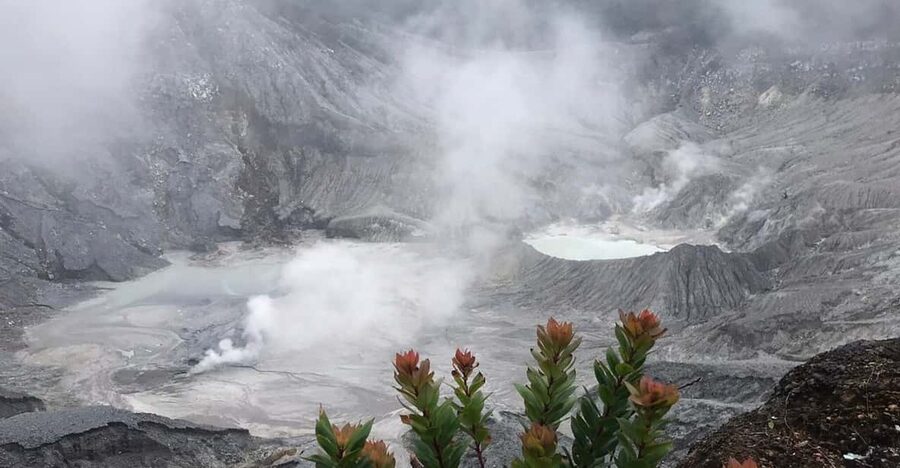
Tangkuban Parahu is the star here: an active crater where you can smell sulfur, see bubbling mud and smoke, and sometimes hear the volcano rumble. The mountain setting gives you a sharp change from Jakarta’s city traffic to rice fields, tea rows, and rainforest views.
I like the excellent mix of stops, especially the fresh honey pineapple and unfamiliar fruits, and I like having a guide and careful driver for the long mountain roads. The main drawback is the pace: this is a 14-hour day, with roughly six hours on the road, and the coffee stop may trouble you if you object to civets kept in cages.
Key points to know before booking
- Tangkuban Parahu is the main event: You get close to an active crater with sulfur fumes, bubbling mud, smoke, and occasional rumbling.
- The food theme is strong: Taste honey pineapple, mangosteen, snake fruit, local coffee, and lunch at a local restaurant.
- The day covers a lot: Rice fields, a tea plantation, coffee cultivation, a volcano, fruit tasting, and hot springs all fit into one outing.
- Guides make a real difference: Past groups have been led by Tio, Rizky, Bryan, Nanda, Vincent, Isabella, Mitchell, and others.
- Expect a long road day: Pickup begins around 7 AM, with return usually between 7 PM and 8 PM.
- The hot spring is more of a warm-water stop than a grand spa: Some pools may only reach calf depth, but massages are available.
A 7 AM start from Jakarta
Your guide contacts you about 10 minutes before reaching your hotel and waits outside the lobby. Pickup runs from 7 AM to 7:25 AM in the Jakarta area, and the vehicle is air-conditioned, a useful comfort when the day includes hours of driving.
The first run toward Subang and Bandung takes about two and a half to three hours. Jakarta traffic can be slow, and mountain roads later become curvy, so a good driver matters. Drivers named Dede, Toto, Tito, Andre, Bobo, Om Gun, Mr. Ruslan, and others have received strong praise for calm, careful driving.
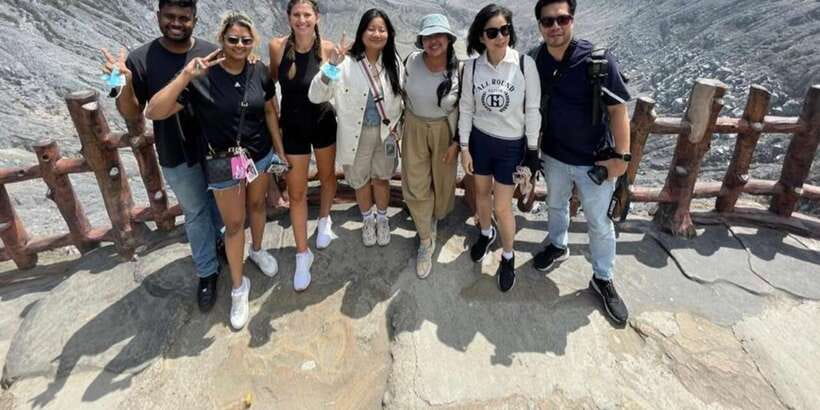
This is a small-group trip capped at 10 people. That gives you more room than a large coach and makes it easier to ask questions, request a short pause, or discuss food needs. One plant-based participant was accommodated, though it is still sensible to tell the operator about dietary needs before departure.
The road time is not filler, but you should be honest with yourself about it. If you want a slow, one-site visit with long walks and plenty of quiet time, this is not that tour. If you want to see several parts of West Java in one day without arranging separate transport, the long drive is the price of admission.
Other rice terrace days out of Jakarta:
- Active Volcano, Rice Field, Hot Spring, Fruit market, Tea Plantation with Lunch
★ 5.0 · 513 reviews - Jakarta Bogor Botanical Garden, Waterfall and Rice terrace, Lunch
★ 5.0 · 157 reviews - Volcano, Hot Spring, Tea Factory, rice fields and Coffee Tour
★ 5.0 · 25 reviews
Subang rice fields and village views
The first stop in Subang lasts about 30 minutes. You get out, walk around, and look across rice fields while local farmers work nearby. This is a simple stop, not a formal farm visit, but it gives you a direct look at how much daily life in this part of Java depends on planting, tending, and harvesting rice.
The appeal is the contrast with Jakarta. Instead of buildings and traffic, you see open fields, village roads, and people working by hand. Bring comfortable shoes because paths can be damp or uneven, especially after rain.
Do not expect a long agricultural lesson or a large cultural center. The value comes from the guide’s explanation and from seeing the fields in use. Guides such as Vincent, Rizky, Nanda, and Bryan have been praised for explaining local customs, farming, plants, and food in clear English.
Tangkuban Parahu’s sulfur crater
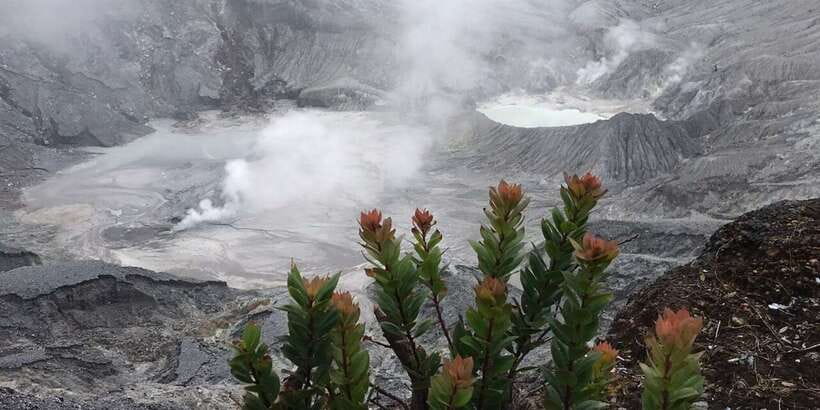
After the rice fields, you continue to Tangkuban Parahu, an active volcano in a forested mountain area. You have about an hour and a half here for a photo stop, walking, and free time.
This is the moment that gives the tour its edge. You can approach the crater area, smell the sulfur, watch bubbles and smoke, and sometimes hear a low rumble. One account describes seeing small bursts of magma bubbling or jumping from the active crater. Conditions change, though. Rain, mist, and cloud can reduce visibility, as happened during one wet visit.
The air may smell strongly of sulfur. That is part of the experience, but it can be unpleasant if you are sensitive to fumes. Stay with your guide’s instructions and do not treat the crater like an ordinary scenic overlook.
The area around the volcano is also home to wild monkeys. Seeing them is possible, not guaranteed, and you should avoid feeding or approaching them. There are local sellers near the viewing area, and they may be persistent. A firm no usually does the job. Carry some cash if you want to browse handmade items or small souvenirs.
Walking is required, and the tour is not suitable for wheelchair users or people with mobility impairments. The operator also excludes people over 80 and people over 70, so check the age rules carefully before booking.
Lunch in the Lembang area
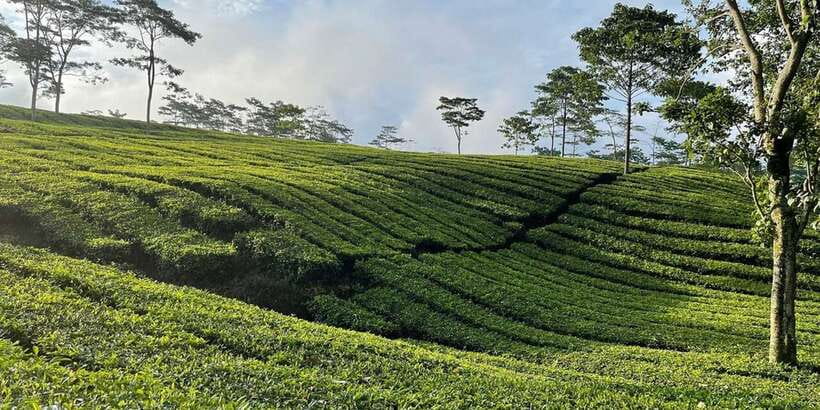
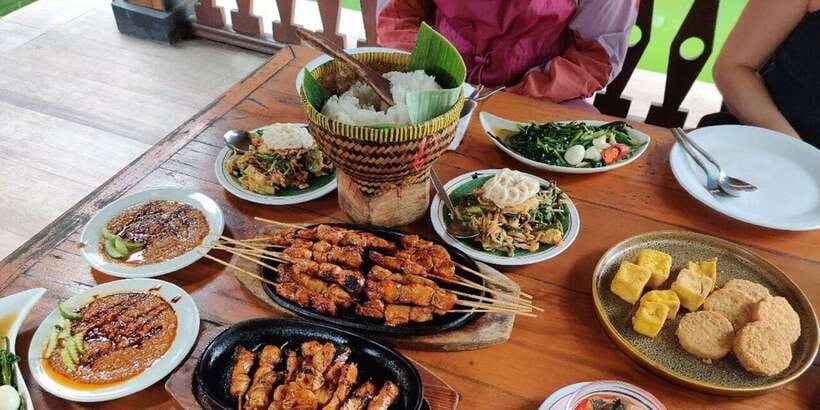
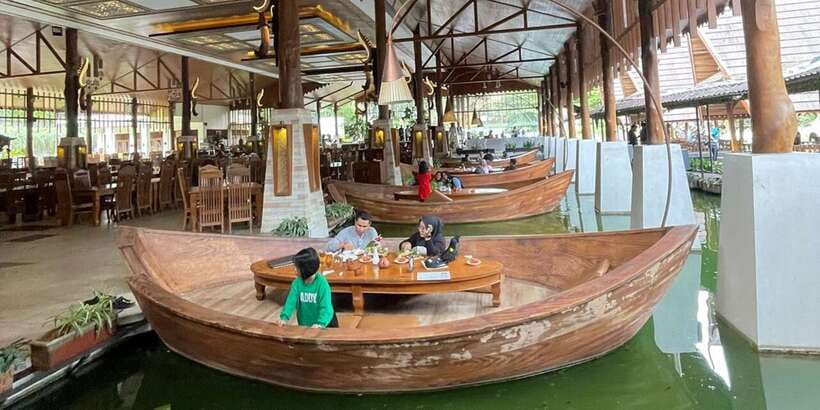
Lunch comes next in Lembang and lasts about an hour. The meal is included at a local restaurant, and the setting can be especially attractive, with swift service and a clean dining area noted during a busy visit.
The food is Indonesian and usually includes several local dishes. Some people have found it tasty and satisfying, while one person felt the meal leaned too heavily on fried food and lacked flavor beyond the water spinach. That is a fair warning: lunch is convenient and local, but it is not the reason to book the tour.
The best approach is to treat this meal as a chance to try familiar Indonesian staples in a practical setting. If you have dietary restrictions, speak up early. A guide may be able to help, as one participant received plant-based food after explaining the request.
Other hot springs near Jakarta:
- Mount Batur Sunrise Hike and Natural Hot Spring Option
★ 5.0 · 1,927 reviews - Ubud Hot Springs and Waterfall Private Guided Tour
★ 5.0 · 719 reviews - Mount Batur Jeep Tour and Hot Spring
★ 5.0 · 524 reviews - Mt Batur Sunrise, Breakfast & Natural Hot Springs
★ 5.0 · 458 reviews
Coffee, civets, and an important ethical question
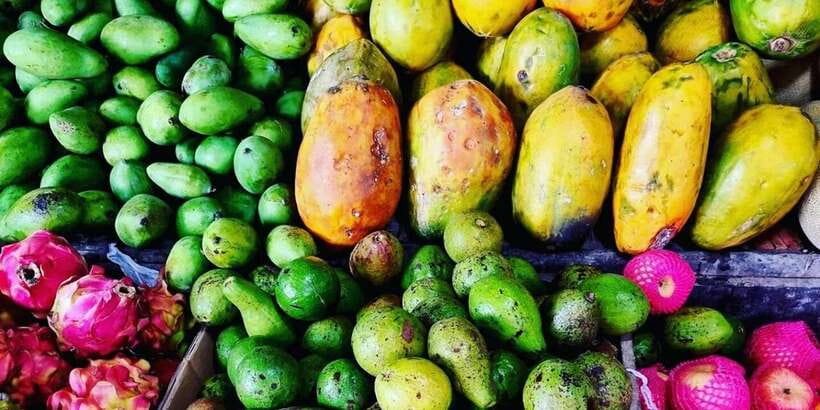
At Kopi Luwak Cikole, you spend about an hour learning about coffee plants, beans, processing, types of coffee, and the local product. This is a useful stop if you want context for Indonesian coffee rather than just a quick cup.
The tour may include a look at civets, the animals linked to kopi luwak production. Here you need to make your own call. Some people enjoy learning about the coffee and meeting the animals, but others have objected to small cages and questioned the welfare of the civets. One person also felt the final drink came from a plastic packet rather than representing a careful coffee-making demonstration.
I would not treat this stop as a guaranteed ethical wildlife encounter. If animal welfare is important to you, ask the operator how the animals are housed before booking, and be prepared to skip or limit this part if you are uncomfortable. The coffee education can still be interesting, but the setting may feel commercial rather than like a working village farm.
Tea fields near Ciater

The tea stop at Ciater Cagak takes about 30 minutes. You walk through or beside a tea-growing area and pause for photos. The guide explains tea cultivation, types, harvesting, and the role of the crop in the local economy.
This is a short scenic visit, not a full plantation tour. You may stop beside a particularly pretty section of fields rather than walk for miles through a large estate. That is worth knowing if your picture of a tea plantation includes a long guided route.
Still, the stop works well after the volcano. The rows of tea plants, mountain air, and cooler temperatures give you a clear sense of how the high ground around Bandung supports crops that cannot be grown in Jakarta’s lowland city setting.
Fruit Paradise and Java’s best snack break
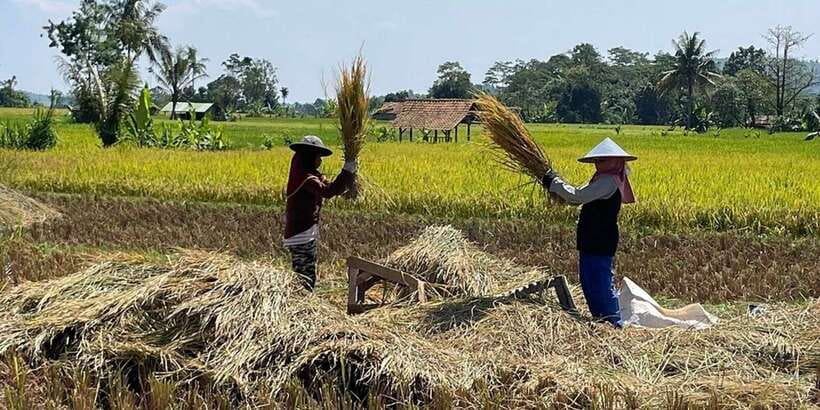
The fruit tasting is one of the most enjoyable parts of the day. You sample local produce including honey pineapple, mangosteen, and snake fruit, also called salak.
The honey pineapple earns special attention. It is sweet, fragrant, and different enough from ordinary supermarket pineapple to make the stop memorable. Your guide may also save one for the return journey, so you can have another taste before the long drive back.
Mangosteen has a soft, sweet interior beneath a thick purple shell. Snake fruit has crisp flesh and a scaly skin, but watch your fingers because the skin can be sharp. This is a good place to ask your guide how to open and eat fruit you have never tried.
The stop takes about 30 minutes, so it is easy and low effort. You do not need to be a serious food fan to enjoy it, and it gives the day a welcome break from formal sightseeing.
Sari Ater Hot Springs after a long day
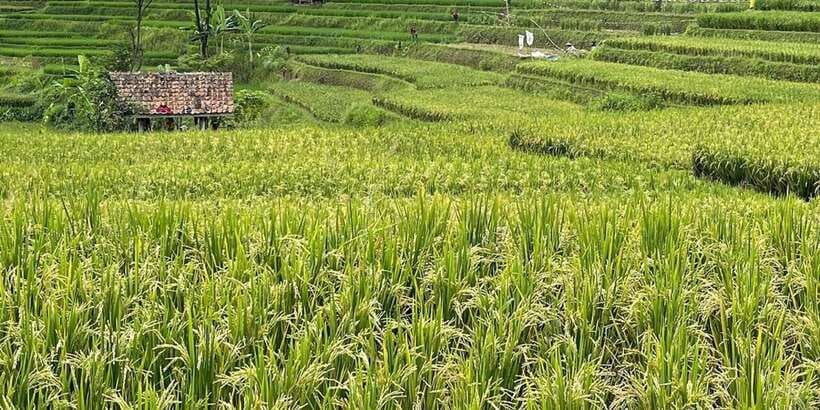
The final major stop is Sari Ater Hot Springs in Ciater, where you have about an hour to relax, swim, and use the warm sulfur-infused water. A local body or foot massage may also be available.
The timing makes sense. After the volcano walk, repeated stops, and mountain roads, warm water can feel restorative. The water is associated locally with healing properties, but you should think of this as a simple hot-spring visit rather than a luxury spa treatment.
Pool depth and condition can vary. Some pools are only calf deep, which makes them better for sitting with your feet in the water than for a full soak. Other areas may be hotter or deeper, but do not assume every pool offers a proper swimming experience.
Bring a towel and a change of clothes. Comfortable clothing and shoes are also listed as essentials. You may want to wear swimwear under your clothes to save time, though the available information does not specify changing-room arrangements.
The hot spring is a mixed point in the day. Some people find it the perfect finish, while others do not consider it worth the extra stop. If warm water and a massage appeal to you, it is a pleasant reward. If you expect a polished spa, you may be disappointed.
Is $114 good value?
At $114 per person, the tour gives you a lot for one day: hotel pickup and drop-off in Jakarta, an air-conditioned vehicle, an English-speaking guide, bottled water, tolls, parking, volcano entry, hot-spring entry, other entrance fees, lunch, and fruit tasting.
You are also paying for the driver and the planning. Arranging Tangkuban Parahu, Subang, Ciater, coffee, food, and fruit on your own would take more effort, and mountain transport can be awkward without local help. The guide also adds value by translating the farming, tea, coffee, and food stops into something you can understand.
The price is less compelling if you dislike long drives, do not care about fruit or coffee, or want a deep visit to one attraction. It is strongest for someone with limited time in Jakarta who wants a broad taste of Java outside the capital.
The tour offers free cancellation up to 24 hours before departure and allows you to reserve without paying immediately. That gives you some flexibility, but the practical warning matters more: do not schedule a flight or important appointment for the evening. Return is normally between 7 PM and 8 PM and can run later on weekends.
Who will enjoy this day most?
I would choose this for a first visit to Jakarta when you want mountains, food, farms, and a volcano in one organized outing. Solo visitors can benefit from the small group, and the guides have helped nervous first-time group participants feel comfortable.
It also suits curious eaters, photographers, families with older children who can walk, and anyone who wants a quick introduction to West Java’s crops and countryside. The range of guides is a strength. Tio has been praised for his English and humor, Rizky for his care and flexibility, Bryan for his energy and explanations, and Nanda and Vincent for making the many stops easy to follow.
I would hesitate if you have trouble walking, dislike curvy roads, need a quiet schedule, or feel strongly about avoiding animal displays involving civets. The weather can also change the volcano experience, with rain and mist cutting down the views.
Should you book it?
Book this tour if you want maximum variety in one long day and the volcano is your priority. Tangkuban Parahu, the fruit tasting, and the rice and tea fields are the strongest reasons to go, while the included transport and local guide make the $114 cost reasonable.
Skip it if you want a relaxed spa day, a serious coffee farm visit, or a carefully designed wildlife experience. Go prepared for traffic, changing weather, persistent sellers near the volcano, and a hot spring that may be shallow. Pack sturdy shoes, a towel, dry clothes, and patience, and you will be ready for a lively, useful day beyond Jakarta.
FAQ
How long does the Jakarta volcano tour last?
The activity lasts about 14 hours. Pickup begins between 7 AM and 7:25 AM, and return to Jakarta is usually between 7 PM and 8 PM.
Is hotel pickup included?
Yes. Pickup and drop-off are included for hotels in the Jakarta area. The guide contacts you shortly before arrival and waits outside the hotel lobby for no more than 10 minutes after the scheduled pickup time.
What language does the guide speak?
The live tour guide speaks English.
How many people are in the group?
The tour is a small-group experience limited to 10 participants.
What can I see at Tangkuban Parahu?
You can see an active volcanic crater, sulfur smoke, bubbling mud, and possibly hear the volcano rumble. Wild monkeys may also be seen in the surrounding rainforest.
Is lunch included?
Yes. Lunch at a local restaurant is included. The meal is Indonesian, and you should explain dietary requirements to the guide.
What fruit will I taste?
The fruit tasting can include honey pineapple, mangosteen, and snake fruit. The guide may also provide honey pineapple before the return to Jakarta.
What should I bring?
Bring comfortable shoes, comfortable clothes, a towel, and a change of clothes. The change of clothes is especially useful for the hot springs.
Is the tour suitable for wheelchair users?
No. The activity is not suitable for wheelchair users or people with mobility impairments. It is also listed as unsuitable for people over 80 and people over 70.
Just added in Jakarta
- Jakarta Indonesian Culture in half Day★ 5.0 · 50 reviews
- Situ Gunung Waterfall & Suspension Bridge Sukabumi start Jakarta★ 4.5 · 13 reviews
- Volcano and Domas Crater of Hot Stony Bubble from Jakarta Lunch★ 5.0 · 23 reviews
- The Secret Society of Batavia – Walking Tour★ 5.0 · 4 reviews
- Jakarta Scooter Lessons and Motorcycle Lessons★ 5.0 · 9 reviews
- Private Tour: Half Day Jakarta Old City Tour★ 4.0 · 4 reviews
- Soekarno Hatta International Airport by Plaza Premium Lounge★ 4.0 · 46 reviews
- Bandung Private Tour Mountain Volcano and Hotspring ( Overland )★ 5.0 · 7 reviews
Rice Terrace Tours, compared.
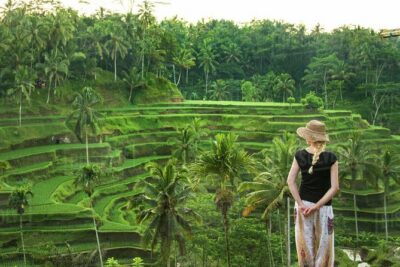
Monkey Forest, Jungle Swing, Rice Terrace, and Water Temple
Read our review →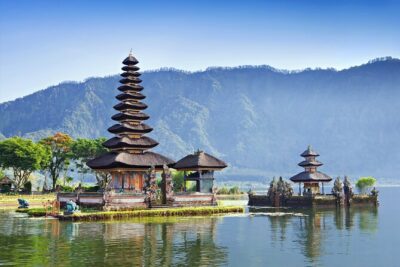
Full-Day Tour to Water Temples and UNESCO Rice Terraces in Bali
Read our review →
Downhill Cycling with Volcano, Rice Terraces and Meal
Read our review →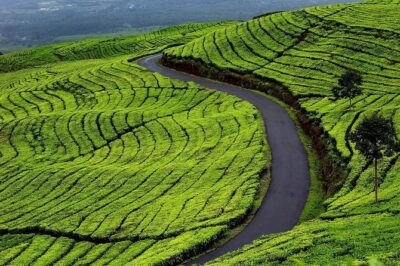
Active Volcano, Rice Field, Hot Spring, Fruit market, Tea Plantation with Lunch
Read our review →
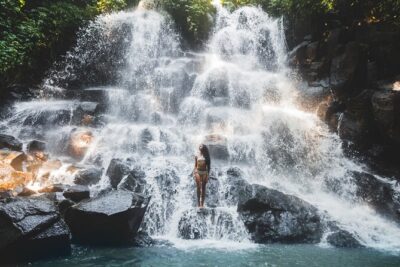
Ubud Top Attractions: Waterfalls, Temples and Rice Terraces
Read our review →
Tetebatu Walking Tour – Rice Terraces, Waterfall & Monkey Forest
Read our review →
Tanah Lot Tour with Ubud Monkey Forest, Rice Terraces, and Waterfalls
Read our review →Browse the lists this tour appears in