
Reviewed · COOKING CLASSES
Yogyakarta Cooking Class and Market Tour
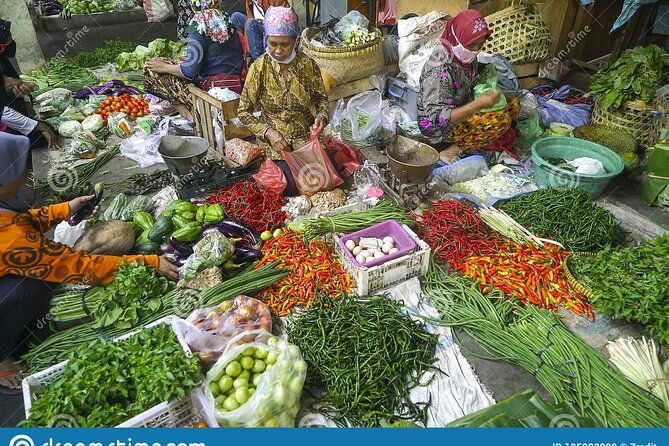
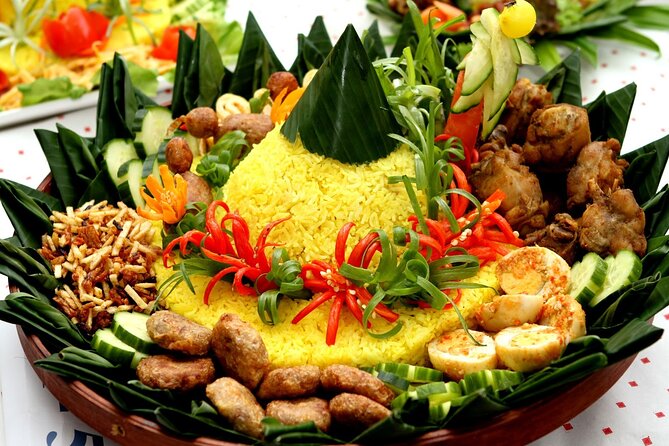
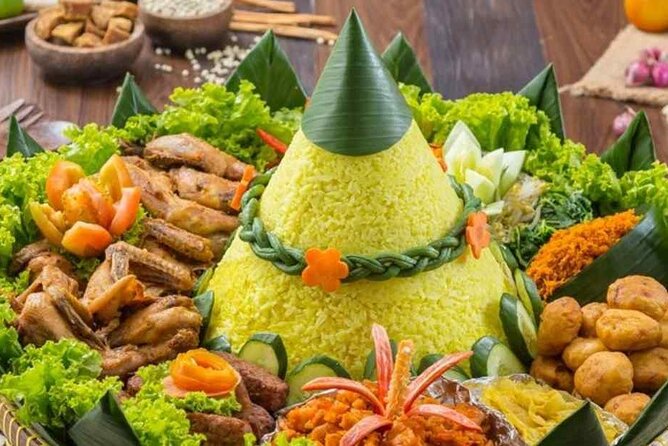
Yogyakarta’s best food lesson begins before the stove is lit. You’ll visit a traditional market, choose vegetables, herbs, meat, and spices, then head to a village near Bantul to cook a Javanese meal in a local home. Tumpeng yellow rice, once prepared for ceremonial offerings, gives the class a useful link to Java’s customs.
I like the market stop because it turns unfamiliar ingredients into something you can see, smell, and choose for yourself. I also like the home setting and the chance to eat a meal you helped prepare, with Arma or Desy guiding the work and sharing stories about Yogyakarta and Indonesia.
The main consideration is that the teaching style may vary. Some people receive detailed explanations and plenty of cultural context, while one guest felt there was too little room for creativity. If you want a highly structured culinary school lesson, ask about the day’s format before booking.
Key points to know before booking
- The market comes first: You select the produce, meat, herbs, and spices used in the meal.
- Tumpeng adds cultural meaning: The yellow rice is tied to older Javanese ceremonial traditions.
- You cook a full meal: The plan includes one starter, four main courses, and one authentic dessert.
- The setting is a local village home: The class takes place in or near Bantul, away from central Yogyakarta.
- Pickup is included: Hotel pickup and drop-off in Yogyakarta make the $35 price easier to judge.
- Come hungry: You’ll eat lunch or dinner after preparing a generous spread.
From Yogyakarta hotel pickup to the morning market
The experience starts with pickup from your hotel in Yogyakarta. That is a practical benefit in a city where traffic, unfamiliar streets, and scattered sights can make a short outing feel longer than expected. The group can include up to 15 people, although some sessions are much smaller. One couple had the class to themselves, which gave the day a more personal feel.
Communication matters. One guest specifically recommended having WhatsApp ready, so you can coordinate pickup details without hunting for an international phone call. Your booking confirmation is provided at the time of booking, and the experience is offered with free cancellation up to 24 hours before the start time.
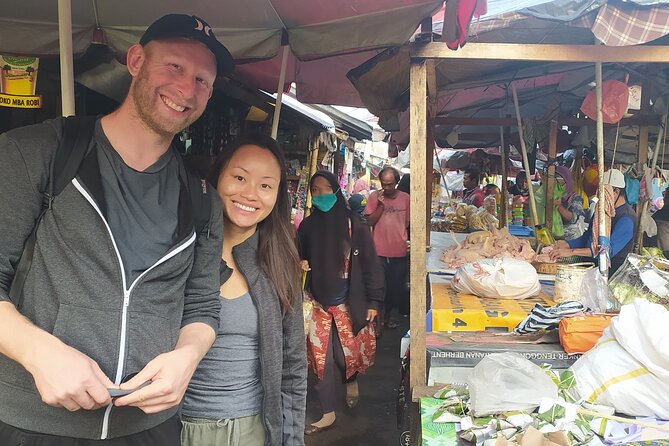
The market visit is not just a quick stop to collect groceries. You’ll look at the ingredients that shape Javanese cooking, including vegetables, herbs, meat, and spices. The value is in seeing how the ingredients appear before they are cleaned, chopped, ground, or combined. A chef can tell you what each item does, but choosing it at the market gives the lesson a more practical start.
You may also find the market the most visually active part of the outing. It gives you a small look at ordinary food shopping in Yogyakarta rather than a staged demonstration designed only for visitors. The trade-off is that a market can feel less polished than a cooking studio. Expect a working food market, not a quiet showroom.
More cooking in Yogyakarta:
- Ubud Cooking Class Bali with Balinese Chef
★ 5.0 · 1,609 reviews - PRIVATE Authentic Balinese Cooking Class in Ubud at Putu’s Home
★ 5.0 · 644 reviews - Balinese Ubud cooking school (9 Dish Cooking and Market Tour)
★ 5.0 · 540 reviews
Seeing rice grow before you cook it
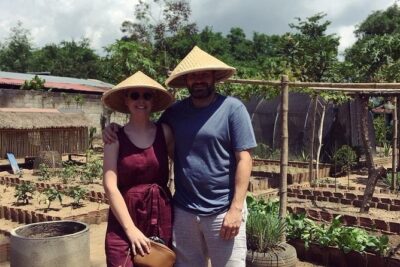
The itinerary also includes a visit to a rice plantation. Rice is not simply another ingredient in Java. It is a daily staple and an important part of the island’s food culture, so seeing how it is cultivated adds useful context before you prepare yellow rice.
The stop is described as scenic, with time to look at the surrounding countryside and learn how the crop is grown and prepared. This helps connect the finished bowl on your lunch table with the work behind it. The plantation visit may be brief, and the precise length is not stated, so you should think of it as a short cultural stop rather than a separate farming tour.
This part may appeal most if you like to understand the setting behind a meal. If you want every minute devoted to chopping and cooking, the extra stop will make the class feel less direct. For most people, though, it gives the half-day outing a better sense of place.
Arriving in Bantul for a home kitchen lesson
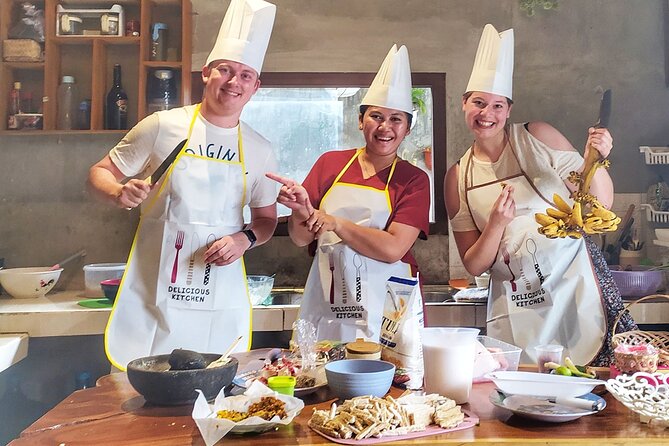
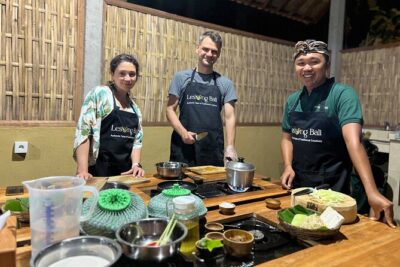
After the market and rice stop, you continue to a traditional village in Bantul. The local-home setting is one of the experience’s strongest features. You are not simply watching a chef work on a stage. You are welcomed into a family environment and take part in preparing food in a home kitchen.
The hosts described in the experience include Desy, also written as Desi in some details, and chefs such as Arma. Desy is praised for patient instruction and clear guidance. Arma is noted for combining cooking with stories about the history and culture of Yogyakarta and Indonesia. Since the exact chef can depend on the date, it is best to treat these names as examples of the teaching team rather than a guarantee of a particular instructor.
The family atmosphere can be especially meaningful for couples and families. One family felt included in the home and shared stories while cooking together. In another case, a host helped a participant who was feeling unwell by making tea and offering a comfortable place to rest. That sort of care is not part of a formal class schedule, but it shows how the home setting can change the tone of the day.
A home kitchen also brings some limits. Space, equipment, and teaching methods may not be identical from one session to the next. One person felt the instructions were too limited and that there was not enough freedom to adjust the dishes. If experimenting is important to you, explain that preference at the start.
Cooking a six-part Javanese meal

The stated menu includes one starter, four main courses, and one authentic dessert. That is a lot of food for a three-hour class, so you should expect a hands-on group session rather than a slow, one-dish master class. The work may involve several techniques and a wide range of ingredients.
The central dish is tumpeng yellow rice. In older Javanese tradition, this rice was made for ceremonies and offerings to the gods. Its yellow color and cone shape carry cultural meaning, and preparing it gives the lesson more weight than simply learning another rice recipe.
You’ll receive a recipe and a little briefing before the cooking begins. An English-speaking chef provides the instruction, with help available as you prepare the food. The class is designed for most people to join, so you do not need to arrive with professional cooking skills.
One of the pleasures here is variety. You can work with ingredients that may be new to you, including tempeh. One participant arrived without much enthusiasm for it and left as a tempeh fan. That is the kind of small surprise that makes a local cooking class useful: you learn how an ingredient is treated in its home region rather than judging it from one restaurant dish.
The class can also teach you how Indonesian food gets its character from combinations rather than one dominant spice. The description emphasizes Indonesian herbs and spices, while the cooking itself focuses on food from Java. Listen for the reasons behind each addition. The value is not only copying a recipe, but learning which flavors belong together and how a simple home meal is built.
Same base, a different sort of day:
- Borobudur Sunrise from setumbu Hill , Merapi Volcano & Prambanan Full Day Tour
★ 5.0 · 1,030 reviews - Borobudur Temple Climb To The Top & Prambanan Temple – 1 day tour
★ 5.0 · 638 reviews - Menoreh Village Cycling
★ 5.0 · 611 reviews - Yogyakarta: Borobudur Top Access & Prambanan Temple Private Tour
★ 5.0 · 390 reviews
Eating what you made, with hibiscus tea or wedang uwuh
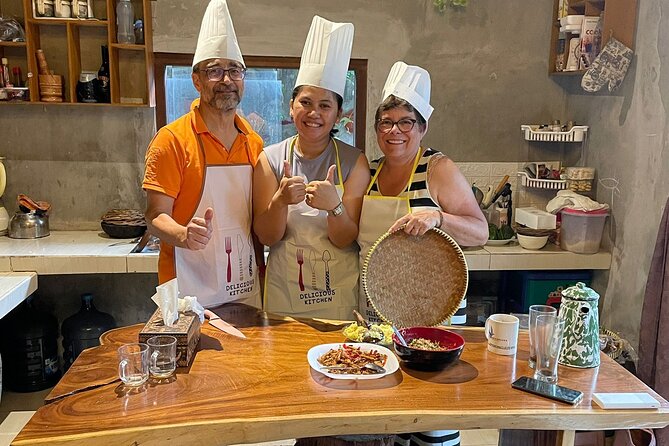
Once the cooking is done, you sit down to eat lunch or dinner. The final meal is the payoff, but it is also the best way to judge the techniques you just used. You can taste the balance of the spices, compare the different dishes, and ask questions while the flavors are still fresh.
Homemade hibiscus tea may be served, or you may receive wedang uwuh, a traditional warm drink described here as an eucalyptus drink. The drink adds another small piece of local food culture to the meal.
Plan to arrive hungry. Preparing a starter, four main courses, and dessert creates a substantial table, even if the exact dishes can change. This is not a tasting menu where you receive a few careful bites. It is a proper meal built from the ingredients you helped select.
The meal also makes the class social. You can eat with the chef, helpers, family members, or other people in the group. If your session is private, you’ll have more space to talk and work at your own pace. A full group of 15 may feel more communal, but individual instruction could be less consistent.
What the $35 price really covers

At $35 per person, the price is strong for a three-hour activity that includes hotel pickup and drop-off in Yogyakarta, the market visit, ingredients, an English-speaking chef, a recipe, and a meal. You are paying for transport and a cultural visit as well as cooking instruction.
The value is highest if you would otherwise pay separately for a market tour, a meal, and a private transfer to a village. The inclusion of all ingredients also keeps the cost clear. You do not need to budget for a surprise grocery bill at the market.
Group size affects the value. With up to 15 people, the price suits anyone who wants an affordable introduction to Javanese food. If you are hoping for constant one-to-one attention, a smaller booking is better. The private experience described by one couple added a sense of comfort and freedom, though the standard price does not promise a private class.
Personal expenses are not included. The information does not specify extra costs, so keep your own spending separate from the tour price. The advertised price is $35 per person, and the experience is typically booked about 24 days ahead, a useful clue that you should reserve before your Yogyakarta days are full.
Who will enjoy this class most
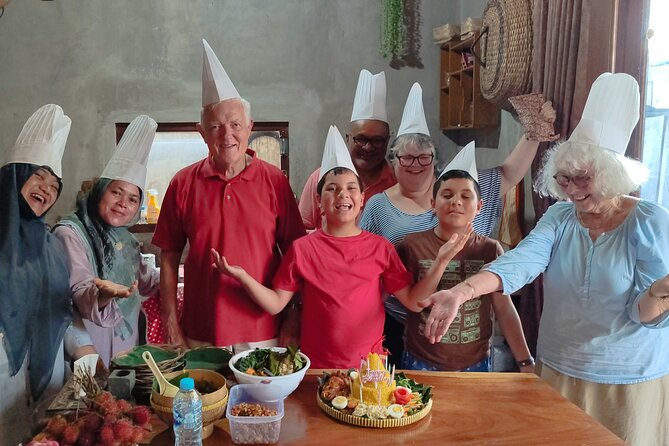
I would recommend this experience to you if food is your way into a new culture. The market, rice plantation, village home, and cooking session form one connected day. You see the ingredients, learn about the staple crop, prepare the food, and eat it.
It also suits families. The menu is varied, the hosts are described as welcoming, and the meal gives children something active to do. Couples may prefer it for the home setting and the chance to share a private or small-group lesson.
It is a good choice for anyone curious about tempeh, local spices, rice culture, and Javanese ceremonial food. It is less ideal if you want a strict professional kitchen, advanced knife training, or a menu you can choose in detail before arrival.
The cultural conversation may be as valuable as the recipes. Arma has been praised for sharing stories about Indonesia and Yogyakarta, while the family hosts can give the outing a personal feel. Still, do not assume every class will have the same guide or the same amount of storytelling. Ask questions as you go, and tell the chef how much explanation you want.
Practical details that can shape your day
The class lasts about three hours, though the market and plantation visits are part of the wider outing. It is offered as a morning or afternoon experience, with lunch or dinner served at the end. The wording describes an early morning market visit, so morning may be the better choice if you want the market at the start of the day.
Hotel pickup and drop-off are available in Yogyakarta. The exact pickup window is not provided, so keep your phone available and have WhatsApp installed for communication. The maximum group size is 15, and most people can participate.
You receive a recipe to take home. That matters because the meal contains several components and unfamiliar ingredients. Take notes while the chef explains the spices, since the recipe alone may not capture every visual clue or cooking adjustment.
Free cancellation is available if you cancel at least 24 hours before the start time. Changes or cancellations made later are not accepted for a refund. The cut-off uses local Yogyakarta time.
Should you book the Yogyakarta cooking class?
Book it if you want a friendly, food-centered look at everyday Java rather than a polished studio lesson. The market visit, rice plantation, Bantul village, and shared meal give you more than a recipe. You get a sense of how food fits into local life, family hospitality, and ceremony.
The best reasons to choose it are the home setting, the full meal, the cultural meaning of tumpeng, and the practical value of pickup, ingredients, and lunch or dinner at $35. Go in ready to work with a group and accept that teaching styles may vary. If you do, this is a warm and useful way to spend part of your Yogyakarta visit.
FAQ
How long does the Yogyakarta cooking class last?
The cooking class and wider experience take about three hours.
What is included in the price?
The price includes an English-speaking chef, all ingredients, a recipe, the market tour, lunch, and hotel pickup and drop-off in Yogyakarta.
Does the tour include hotel pickup?
Yes. Pickup and drop-off are offered from hotels in Yogyakarta.
How much does the experience cost?
The listed price is $35 per person.
How many dishes will I prepare?
You will prepare one starter, four main courses, and one authentic dessert.
Is a market visit included?
Yes. You visit a traditional fresh food market and select ingredients such as vegetables, herbs, meat, and spices.
Will I visit a rice plantation?
Yes. The itinerary includes a visit to a rice plantation where you learn how rice is grown and prepared.
How many people can join the class?
The maximum group size is 15 people.
Can I cancel for a full refund?
Yes, if you cancel at least 24 hours before the experience start time. Cancellations or changes made less than 24 hours before the start time are not accepted for a refund.
Just added in Yogyakarta
- Chicken Church Local Attraction Near Of Borobudur Temple★ 3.5 · 18 reviews
- Chicken Church at Karangrejo Village Admission Ticket★ 4.5 · 3 reviews
- Private Borobudur Village Trip By Volkswagen Safari★ 5.0 · 3 reviews
- Borobudur Temple Combined Ticket Admissions★ 5.0 · 7 reviews
- Borobudur Private Tour From Semarang Port★ 4.5 · 12 reviews
- Yogyakarta: Borobudur Temple Climb Up and Prambanan Temple Tour★ 5.0 · 53 reviews
- Borobudur: Pottery Making Workshop★ 5.0 · 5 reviews
- Borobudur: Village Tour with Pottery and Tofu Making★ 5.0 · 34 reviews
Cooking Classes, compared.
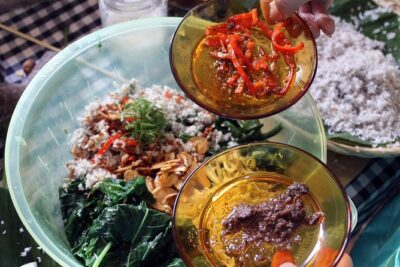
PRIVATE Authentic Balinese Cooking Class in Ubud at Putu’s Home
Read our review →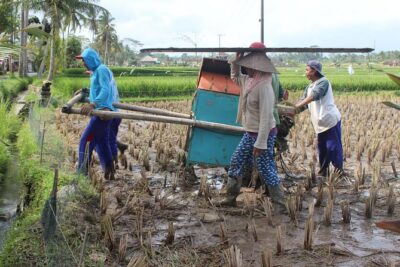
Balinese Ubud cooking school (9 Dish Cooking and Market Tour)
Read our review →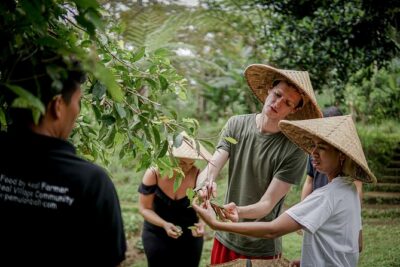
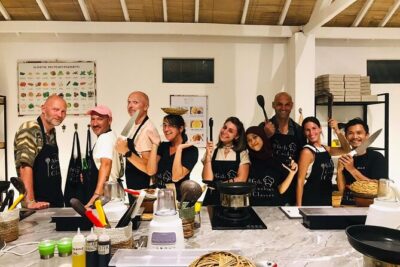
Learn to cook Indonesian food at Gili Cooking Classes Trawangan
Read our review →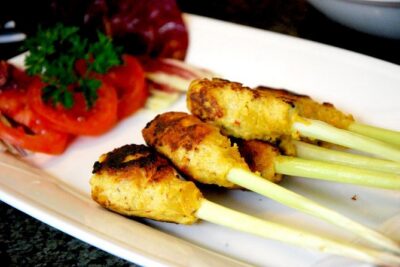
Browse the lists this tour appears in