
Reviewed · COOKING CLASSES
Ubud Cooking Class with Optional Market Visit Pickup Included
The best part of this Ubud cooking class is that it takes you beyond eating Balinese food. You learn how local ingredients work together, from fresh herbs and spices to the sauces that give the cuisine its punch. I especially like the market ingredient stop and the patient, hands-on teaching, including the chance to make a Balinese secret sauce.
I also like the shared meal at the end, which turns a three-hour lesson into an easy way to meet people. The main caution is communication about pickup and schedule changes. One reported no-show was tied to a last-minute request to switch from morning to evening, so confirm your plans early and do not make a late change.
Key points to know before booking
- Market visit option: Choose fresh ingredients with your chef and learn what they are used for.
- Family-style cooking: You work through traditional recipes and techniques, not just a printed menu.
- Several dishes in one class: The menu may include curries, sauces, side dishes, and dessert, with some sessions preparing as many as nine or ten recipes.
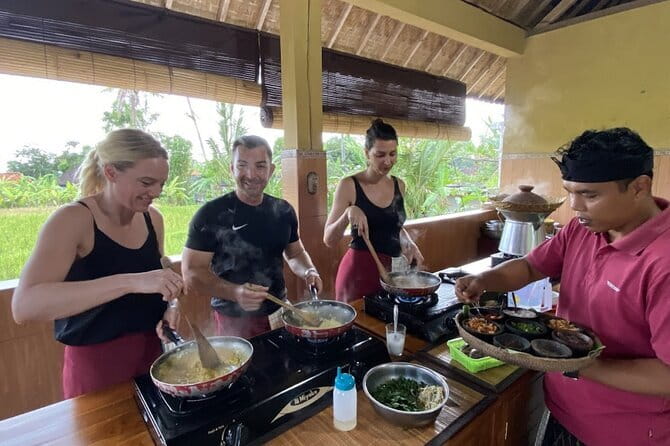
- Peaceful cooking setting: The kitchen may look out over rice fields, giving the meal a calm rural feel.
- Pickup is offered: An air-conditioned vehicle is included, though evening classes from July 17 to 20 require you to arrive on your own.
- Group size up to 20: The class can feel social and lively, but it may not be an intimate private lesson.
What the three-hour Ubud cooking class is really like
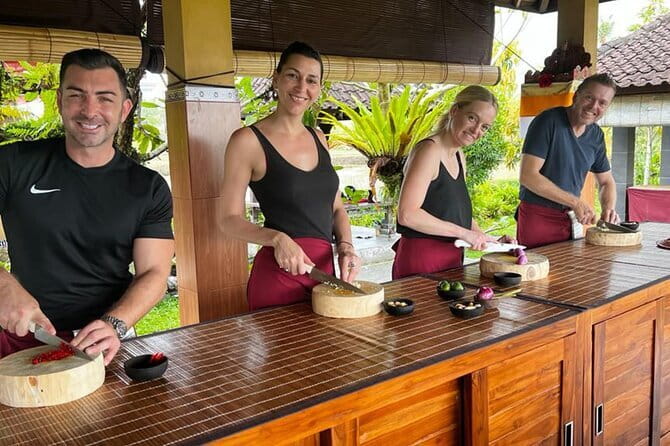
This is a practical introduction to Balinese food, not a restaurant demonstration where you sit back and watch. You meet a local chef, handle the ingredients, and follow each recipe one step at a time.
The format suits both keen home cooks and people who rarely touch a chopping board. You can take part fully, or pause to take photographs and watch part of the process. That flexibility matters in a group class, especially when some people want detailed instruction and others mainly want a fun cultural activity.
The chef also explains Bali’s food culture, religion, and daily traditions before or during the cooking. That context gives the ingredients a purpose. You are not simply told to add a spice. You learn how Balinese cooking builds flavor through herbs, pastes, sauces, and slow cooking.
The class lasts about three hours, including preparation and the meal. That is long enough to cover several dishes without taking up your whole day in Ubud.
More cooking in Ubud:
- Ubud Cooking Class Bali with Balinese Chef
★ 5.0 · 1,609 reviews - PRIVATE Authentic Balinese Cooking Class in Ubud at Putu’s Home
★ 5.0 · 644 reviews - Balinese Ubud cooking school (9 Dish Cooking and Market Tour)
★ 5.0 · 540 reviews
Starting at the market with a shopping basket mindset
If you select the market visit, your class begins with a look at the ingredients used in Balinese kitchens. You choose fresh produce with help from the chef, while local vendors provide the setting for the lesson.
This is one of the most useful parts of the experience because a market visit can answer questions that a cooking school alone cannot. You see the raw form of the ingredients before they are chopped, blended, or cooked. You also get help identifying unfamiliar herbs and spices, which is useful if you want to recreate the food at home.
Do not expect a long sightseeing stop or a formal food tour. The market visit serves the cooking lesson. Its purpose is to help you understand what you will use later, and to let you select ingredients with the chef’s guidance.
Pickup is offered, and an air-conditioned vehicle is included. That is welcome in Ubud, where roads can be slow and the heat can make a short transfer feel longer. If your hotel is not shown in the pickup list, one useful practical step is to choose the closest listed location and add a note with your actual hotel details.
For evening classes from July 17 to 20, the instructions say that bookers must make their own way to the class. Check the date and session carefully before you assume pickup is included.
Working through Balinese recipes step by step
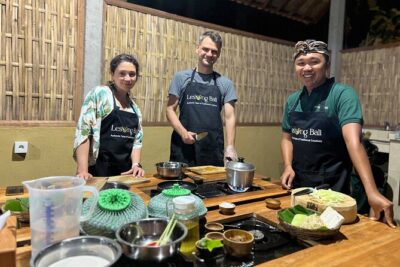
Back at the kitchen, the class shifts from shopping to preparation. You chop, mix, season, and cook under the chef’s direction. The emphasis is on technique as well as ingredients, which is why this experience has more value than a simple meal.
The chef may show you how to prepare a spice paste, balance seasoning, or use herbs in the right order. These small details can make the difference between food that tastes merely spicy and food with the layered flavor associated with Balinese cooking.
The menu can be generous. One session prepared five courses with dessert, while another covered nine dishes and a dessert. The exact menu may vary, so do not book this expecting one fixed list of recipes. You can expect traditional savory dishes, sauces, side dishes, and a sweet finish.
A particularly popular element is the Balinese secret sauce. The wording is playful, but the lesson is useful: sauces and spice mixtures carry much of the character of the meal. Pay close attention here if you hope to cook Balinese food after returning home.
The class is taught in English, and the chef guides the group through the work. Past participants have particularly valued patient instruction and clear explanations of technique. Eri is named as one of the teachers, and Ketut is mentioned as a punctual driver in one account. Since the chef assigned to your session may differ, treat those names as examples rather than a guarantee.
A social class with room for different skill levels
The maximum group size is 20 people. That gives the class a social feel, but it also means the experience may not have the quiet, personal pace of a private lesson.
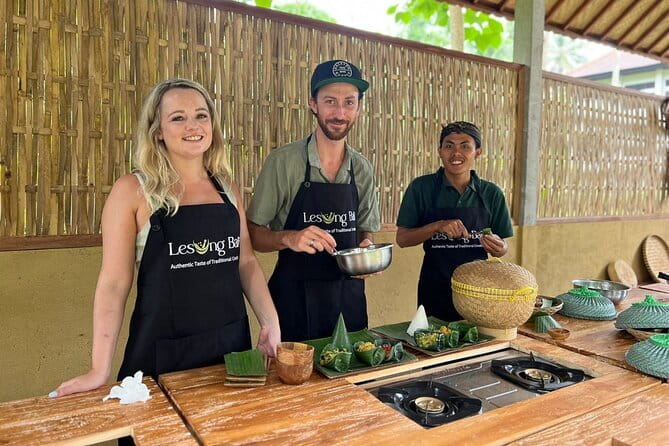
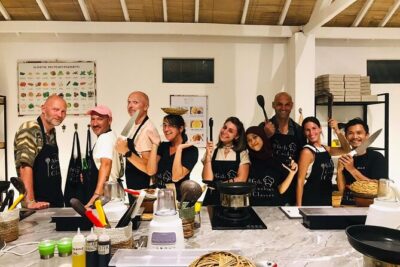
A group can be an advantage in Ubud. You cook beside people from different places, compare results, and share the meal at the end. Some sessions have been much smaller, even just two people, while another group had 16. The number clearly depends on the date and demand.
You do not need to be an experienced cook. The activity is designed for beginners as well as people who already know their way around a kitchen. You can also participate as much or as little as you wish, though you will get the most from it if you put your phone away for at least part of the preparation.
Families should note that the teaching can work well for older children and teenagers. One especially positive account describes the chef patiently working with an 18-year-old. The class still involves knives, heat, and group cooking, so younger children would need close supervision.
Same base, a different sort of day:
- All-Inclusive Ubud Private Tour
★ 5.0 · 14,344 reviews - Best of Ubud Full-Day Tour with Jungle Swing
★ 5.0 · 8,571 reviews - Ubud: Monkey Forest, Jungle Swing, Rice Terrace, and Water Temple
★ 5.0 · 7,160 reviews - Best of Ubud 1-Day Private Tour
★ 5.0 · 4,451 reviews
Sitting down to eat what you made
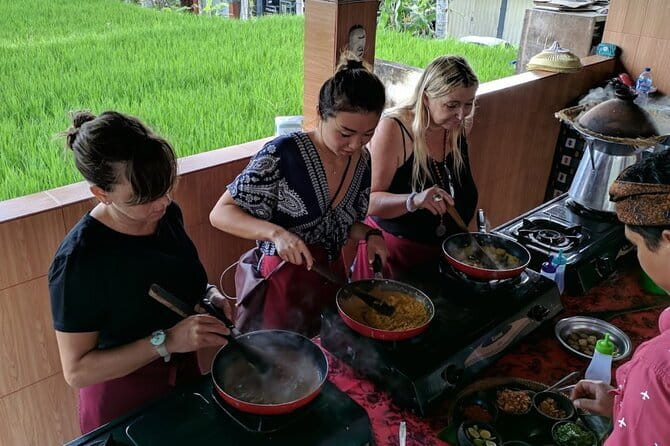
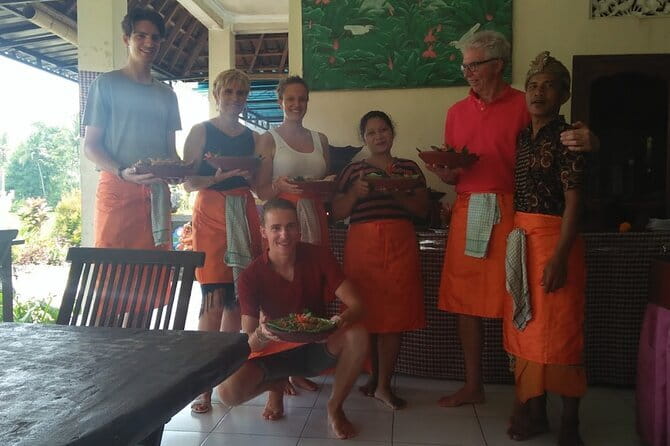
The final meal is more than a quick taste. You sit with the group and eat the dishes prepared during the lesson. This gives you a chance to compare flavors, ask final questions, and enjoy the result without rushing back onto a vehicle.
The setting can be part of the pleasure. Some sessions take place with rice-field views, creating a peaceful rural backdrop for lunch or dinner. The exact view and atmosphere depend on the kitchen used that day, so think of this as a possible bonus rather than a guaranteed scenic dining room.
The food is included, along with all dishes prepared during the class. That makes the $18.95 price attractive. You are paying for instruction, ingredients, transport options, and a full meal, not just a tasting plate.
Personal expenses are not included. The supplied information does not specify extra purchases, so bring a little money if you want to buy something separately, but do not assume that additional market shopping is part of the class.
Is $18.95 good value in Ubud?
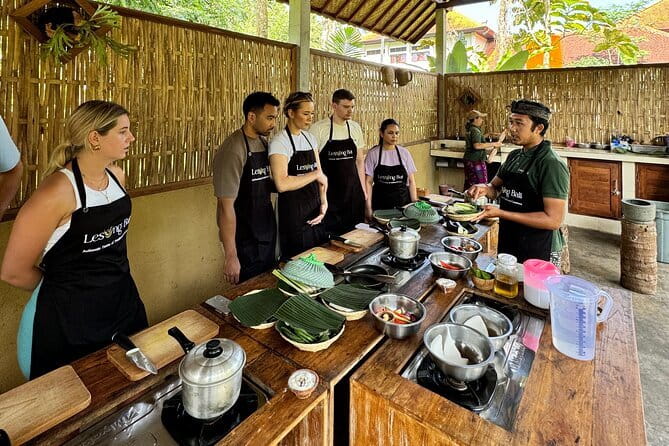
At $18.95 per person, this is inexpensive for a three-hour activity that combines a cooking lesson and a meal. The value is strongest if you want to learn several recipes rather than simply eat lunch.
The included dishes help keep the cost clear. You are not building a bill one cooking ingredient at a time. Pickup, when available, adds another useful benefit, particularly if you are staying outside the central part of Ubud or prefer not to arrange transport yourself.
The tradeoff is that a low-cost group class cannot promise a private chef’s full attention. With as many as 20 people, you may need to listen closely and ask for help when you need it. The experience is best viewed as a friendly shared workshop, not an elite culinary school.
The published rating is 4.8 out of 5, with 94 percent recommended. That is strong, but the lower scores point to an important practical issue: booking communication. The food and teaching receive the most consistent praise, while pickup confirmation and last-minute changes cause the main trouble.
Pickup, timing, and the one detail you should not ignore
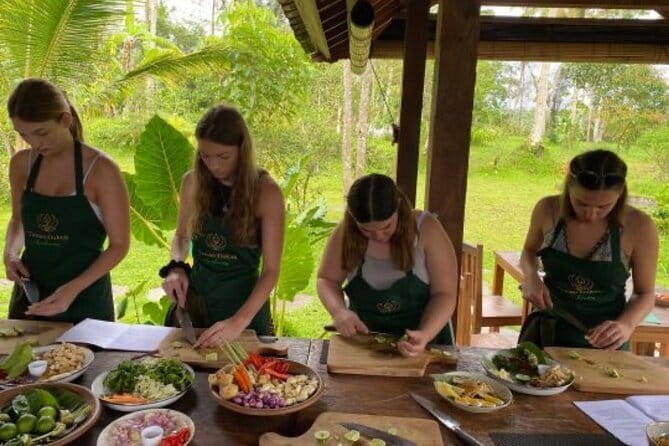
Pickup is described as included, and an air-conditioned vehicle is provided. Still, confirm the pickup details well before the class. Do not wait until the final evening if you need a precise hotel collection time.
One account describes a pickup from a Ubud hotel that was not on the standard list. The useful lesson is to select a listed location and add a clear note if your hotel does not appear. You should also make sure your phone or booking message system is working on the day.
Avoid changing from a morning class to an evening class at the last minute. The activity requires a minimum number of participants, and changes inside 24 hours are not accepted under the stated policy. A separate note says evening participants from July 17 to 20 must arrive independently, so double-check the date before booking.
You can cancel for a full refund up to 24 hours before the start time. Inside that window, the payment is not refundable. If the operator cancels because the minimum number is not met, you will be offered another date or experience, or a full refund.
Who will get the most from this experience?

I would choose this class if you want three things in one outing: local food, practical instruction, and easy social contact. It is especially useful early in your Bali visit, since you can spend the rest of your stay recognizing ingredients and ordering dishes with more confidence.
It suits:
- Food lovers who want to learn rather than only eat
- Couples seeking a relaxed shared activity
- Solo visitors who want a social afternoon
- Families with older children or teenagers
- Home cooks interested in recreating Balinese sauces and spice blends
- Anyone who values hotel pickup and an included meal
It may not suit you if you want a private lesson, a fixed menu guaranteed in advance, or a tightly scheduled sightseeing tour. The group size can reach 20, and the recipe list may change.
Should you book the Ubud cooking class?
Yes, if the price, group format, and flexible menu fit your plans. The strongest reasons are the chef-led technique, the chance to select ingredients at a local market, and the meal you share afterward. You get a useful taste of Balinese food culture without spending a full day in a kitchen.
Book with care around the logistics. Confirm pickup, arrive independently for the specified July 17 to 20 evening sessions, and avoid changes within 24 hours. If you handle those details early, this is a good-value Ubud activity for turning a meal into a skill you can take home.
FAQ
How long does the Ubud cooking class last?
The class lasts approximately three hours, including the cooking activities and the meal.
Is hotel pickup included?
Pickup is offered, and an air-conditioned vehicle is included. For evening classes from July 17 to 20, participants must make their own way to the class.
Is the market visit included?
The experience offers a market visit where you can meet local vendors and select fresh ingredients. Check the available option when booking if you specifically want the market portion.
What language is the class taught in?
The chef-guided class is offered in English.
How many people can join the class?
The maximum group size is 20 people. The actual number may be smaller on your chosen date.
Are the ingredients and food included?
All dishes are included. Personal expenses are not included.
Do I need cooking experience?
No. The class is designed for both experienced cooks and beginners, with step-by-step guidance from the chef.
What is the cancellation policy?
You can cancel up to 24 hours before the start time for a full refund. Cancellations or changes made less than 24 hours before the experience are not accepted for a refund.
Just added in Ubud
- Mount Batur jeep sunrise with breakfast★ 5.0 · 9 reviews
- Mount Batur Sunrise Trekking (Private, Breakfast and Visiting coffee plantation)★ 5.0 · 27 reviews
- Bali Food Tour: Savor Street Food and Night Market Adventures★ 5.0 · 46 reviews
- Ubud: Monkey Forest, Rice Terraces & Sacred Temples★ 5.0 · 69 reviews
- Trunyan Cemetery, Hot Spring, Penglipuran Village, and Waterfall Tour★ 5.0 · 65 reviews
- Ubud ATV Quad Bike and Snorkeling at Blue Lagoon Beach★ 5.0 · 64 reviews
- Bali Iconic Tour with Buffet Lunch and Attraction Tickets★ 5.0 · 66 reviews
- Bali Amazing Cooking Class★ 5.0 · 63 reviews
Cooking Classes, compared.

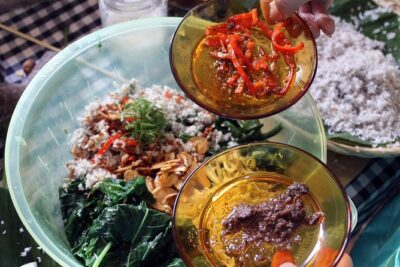
PRIVATE Authentic Balinese Cooking Class in Ubud at Putu’s Home
Read our review →
Balinese Ubud cooking school (9 Dish Cooking and Market Tour)
Read our review →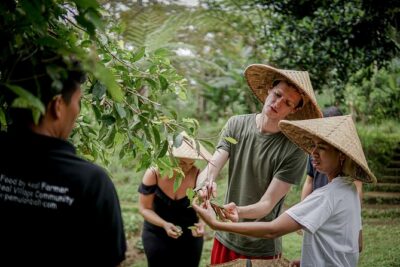
Learn to cook Indonesian food at Gili Cooking Classes Trawangan
Read our review →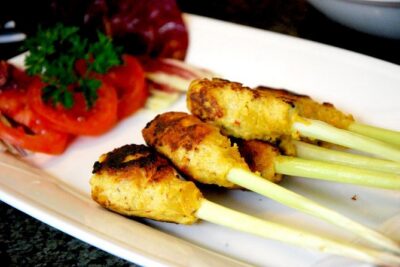

Browse the lists this tour appears in