
Reviewed · INDONESIA
Tsunami Museum and Affected Areas Tour of Banda Aceh
The most striking part of this Banda Aceh tour is the scale of the destruction made visible. A 2,600-ton power-plant ship sits in a residential area, while a fishing boat remains lodged on top of a house. These are not abstract accounts of the 2004 tsunami. They are physical reminders that make the event easier to grasp.
I like the private format, since your group can move at its own pace and ask questions without a large crowd around you. I also like that the day connects the Tsunami Museum with real sites across the city, including the mass graveyard and rebuilt communities. The main consideration is emotional weight: this is a memorial tour, not a light sightseeing outing.
Key points to know before booking
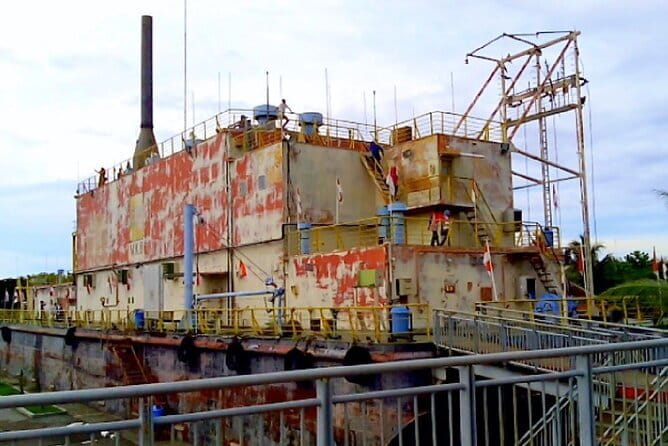
- The PLTD Apung 1 ship is the tour’s most unusual sight: A massive diesel power plant was swept inland by the tsunami and now sits among homes.
- The Tsunami Museum explains both loss and recovery: Expect photographs, personal belongings, videos, tsunami science, a simulation, and reconstruction displays.
- The itinerary links museum exhibits with real affected areas: You see the boat at Desa Lampulo, memorials, burial grounds, and rebuilt neighborhoods.
- Private transport keeps a long day manageable: Hotel pickup, an air-conditioned vehicle, fuel, parking, lunch, snacks, and tickets are included.
- The schedule runs from about 8:00 AM to 7:00 PM: Plan for a serious full-day experience with several stops and a midday meal.
- The subject calls for respectful behavior: You will visit places connected to mass death and personal loss, so dress and act with care.
Why Banda Aceh’s tsunami story is best understood across the city
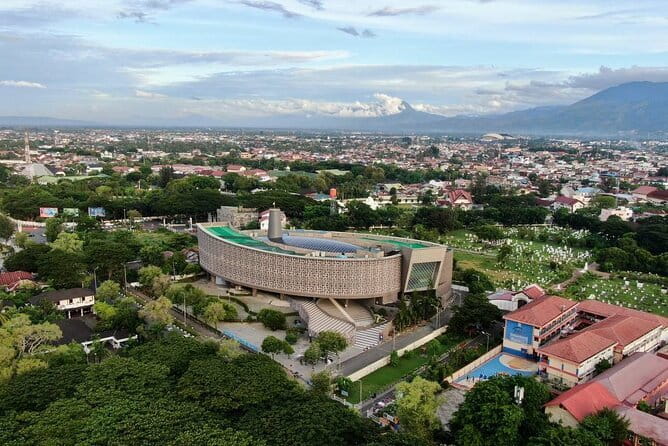
The 2004 Indian Ocean tsunami changed Banda Aceh on a scale that one museum alone cannot show. This tour gives you several ways to understand that change. You begin with exhibits and personal stories, then move outside to see objects displaced by the waves, memorial spaces, and communities rebuilt after the disaster.
That progression matters. A museum can explain dates, forces, and numbers. A ship in a neighborhood shows physical power. A mass graveyard brings the human cost into view. Rebuilt areas show that the day is also about survival and recovery.
You will spend roughly nine hours on the experience, including transportation, stops, lunch, and time for reflection. At $119.26 per person, the value depends partly on group size. For a private group, the price covers a full day of transport and admissions as well as meals and a guide. For one person, it is a larger outlay, but it removes the need to arrange several separate visits around Banda Aceh.
The subject is serious from beginning to end. You should book this if you want context and remembrance, not simply a list of photo stops.
A few more things to do in Indonesia worth a look
- Jakarta: Miniature Park, National Museum & Traditional House Tour
★ 4.5 · 17 reviews - Nusa Dua: Museum Pasifika Admission Ticket with Audio Guide
★ 4.3 · 4 reviews
Starting at the Tsunami Museum
Hotel pickup is scheduled between 8:00 and 9:00 AM, followed by a welcome briefing. The morning visit to the Aceh Tsunami Museum is planned for 9:30 to 10:30 AM, with admission included.
The museum covers the event through several kinds of material:
- Personal artifacts and individual stories
- Photographs and video
- Displays about tsunami science
- A tsunami simulation
- Memorials and tributes
- Objects recovered from the disaster
- Exhibits about reconstruction and recovery
That mix gives you more than a memorial wall. You can learn what a tsunami is, see how the disaster affected ordinary people, and follow the city’s path toward rebuilding. The personal items and stories should carry the most emotional weight, while the scientific displays help explain why the waves caused such wide damage.
The one-hour visit is useful but fairly tight. If you read every panel slowly, you may need to choose what matters most to you. I would focus first on the personal accounts and memorial material, then use the science and recovery sections to fill in the wider picture.
The museum also includes a simulation, though the supplied details do not explain its exact format or intensity. If you are sensitive to disaster presentations, ask your guide what to expect before entering that section.
Seeing the power plant ship at PLTD Apung 1
The next major stop is PLTD Apung 1, scheduled for about 45 minutes. This is a large diesel power plant ship weighing approximately 2,600 tons. The tsunami swept it from the waterfront into a residential area.
The sight is powerful because the ship’s location makes the force of the water clear. You do not need a technical explanation to understand that an object of this size did not reach a neighborhood by accident or ordinary flooding. It shows how far the waves carried heavy infrastructure.
The site also includes audio and visual information about the tsunami. That gives the stop more substance than a quick photograph beside an unusual object. You can connect what you saw in the museum with a real piece of equipment that was moved by the waves.
The visit lasts less than an hour, so listen closely to the guide and allow time for photos without turning the stop into a rushed photo session. This is one of the tour’s strongest moments, but it is also a place where respectful behavior matters.
The fishing boat at Desa Lampulo
At Desa Lampulo, you see a fishing boat swept onto the roof of a house. The stop lasts about 30 minutes and admission is included.
The boat offers a different kind of evidence from the power plant ship. PLTD Apung 1 shows enormous industrial force. The fishing boat brings the disaster into a domestic setting, where a house and a vessel meet in a way that feels impossible until you see it.
You may find this stop especially useful if you want to understand how the tsunami affected neighborhoods rather than only major infrastructure. The short visit means the guide’s explanation will shape much of what you take from the site. Use the time to ask about the surrounding area and how the site fits into the wider story of Banda Aceh.
The listed schedule places this part of the day among the affected-area visits. Exact timing can vary, so allow some flexibility if traffic or a longer museum conversation changes the pace.
Same base, a different sort of day:
- All-Inclusive Ubud Private Tour
★ 5.0 · 14,344 reviews - Best of Ubud Full-Day Tour with Jungle Swing
★ 5.0 · 8,571 reviews - Ubud: Monkey Forest, Jungle Swing, Rice Terrace, and Water Temple
★ 5.0 · 7,160 reviews - ️Nusa Penida by Private Boat – Snorkeling 4 spots, Swim with Mantas + Land Tour
★ 5.0 · 6,424 reviews
Paying respects at the mass graveyard
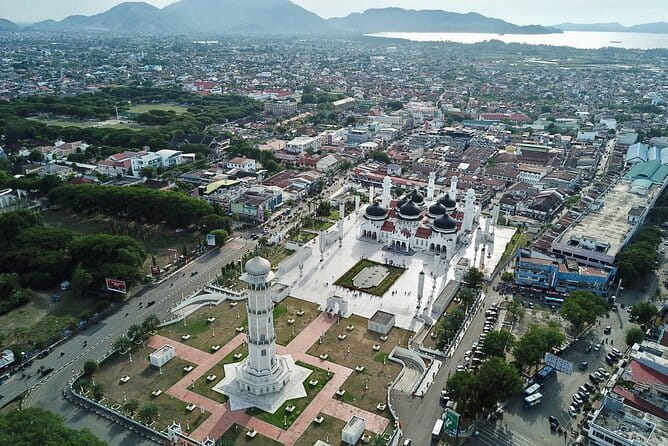
The day includes a visit to a mass graveyard, scheduled for 11:00 AM to noon in the broader plan. This is not a sightseeing stop in the usual sense. It is a place to pause, remember the people who died, and consider the scale of the loss.
The tour description does not specify the graveyard’s name or the exact etiquette required. You should follow your guide’s instructions, keep your voice low, and dress in a way that shows respect. Since the tour takes place in Aceh, modest clothing is a sensible choice throughout the day, especially at memorial and religious sites.
This part may be difficult. That is not a flaw, but it is something you should weigh before booking. The experience is intended to remember victims and explain what happened, not to soften the subject for casual sightseeing.
Lunch, snacks, and the practical rhythm of the day
A lunch break at a local restaurant is scheduled from 12:30 to 1:30 PM. Lunch and snacks are included, so you do not need to budget separately for the main midday meal.
The food itself is not described, and the restaurant is not named. If you have dietary restrictions, ask about arrangements when booking rather than assuming the included meal will meet your needs. The break also gives you a needed pause after the museum, graveyard, and other serious sites.
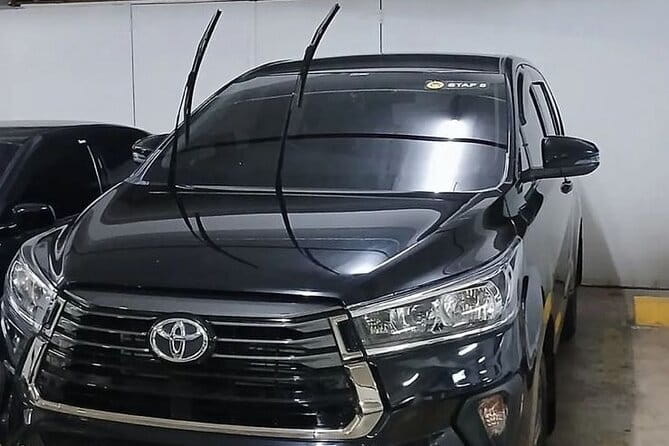
An air-conditioned vehicle is included, along with private transport, fuel, and parking. Those details matter in a nine-hour outing. You will move between several parts of Banda Aceh, and a private vehicle is more comfortable than trying to link the stops by public transport on your own.
Pickup is offered in Banda Aceh City. The meeting information lists Banda Aceh as the start point, and the tour is near public transportation, but the experience itself is private and vehicle-based.
Visiting rebuilt communities and affected areas
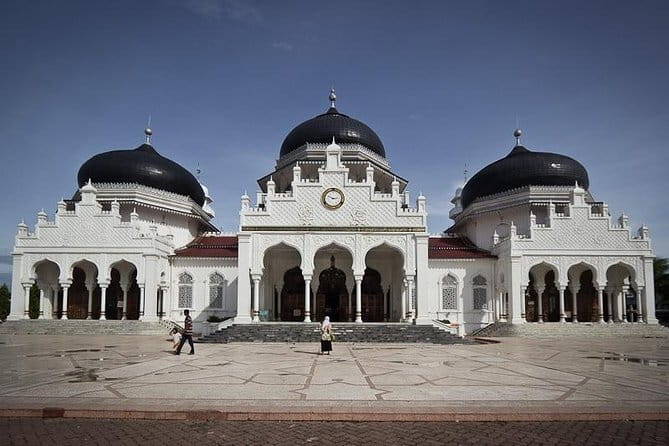
From about 2:00 to 3:30 PM, the tour turns to affected areas and rebuilt communities. This part helps you look beyond the immediate wreckage and see what came afterward.
The available details do not name every neighborhood or describe a specific reconstruction project. That means the quality of this section will depend heavily on the guide’s explanations and the exact route used that day. Ask how the areas changed, what was rebuilt, and how the community recovered. Those questions can turn a drive through the city into a more useful lesson.
I like that the itinerary includes recovery rather than ending with destruction. A disaster story that stops at damage can leave you with only shock. Seeing rebuilt communities gives the day a fuller shape and helps you understand that Banda Aceh is also a living city, not only a memorial to 2004.
Still, keep your expectations realistic. You may see rebuilt areas from the vehicle or make brief stops, but the details provided do not promise a formal community visit, workshop, or extended walk.
Hearing survivor accounts and visiting memorials
The schedule includes survivor stories and firsthand accounts from 4:00 to 5:00 PM. The exact speaker, location, and format are not specified. It may be an explanation from the guide, recorded material, or an arranged account, so confirm the format if this is the part you consider most important.
Personal testimony can make the day more direct, but it should be treated with care. You are hearing about loss and survival, not watching a performance. Give the speaker space, and avoid treating painful memories as simple entertainment.
From 5:30 to 6:30 PM, the tour moves to memorials and other poignant landmarks. This final section is designed for reflection. It also gives you time to connect the museum exhibits, the displaced vessels, the graveyard, and the rebuilt areas.
The return to your hotel is planned for about 7:00 PM. With the morning pickup window and a full afternoon, this is a long day. Wear comfortable clothing and shoes, keep water close, and avoid planning another demanding activity that evening.
What the private setup adds
Only your group participates, which is one of the clearest advantages of this experience. You can ask questions about the tsunami’s effects, pause longer at a memorial, or keep moving when a section feels too heavy. A private setting can also make it easier to discuss sensitive subjects without worrying about strangers in a large group.
The guide is an important part of the value. The supplied information does not provide a guide’s name, so you cannot choose a particular historian or specialist in advance. The tour does promise explanations of the museum, affected sites, survivor accounts, and memorials. Ask questions early in the day to see how much detail your guide can offer.
The private format does not guarantee a customized route. The listed stops and timing give you a clear framework, while the exact amount of time at each place may change.
Is $119.26 a fair price?
At $119.26 per person, the tour is not a budget sightseeing loop. It includes a private air-conditioned vehicle, hotel pickup, fuel, parking, entrance tickets, lunch, snacks, and a full day of guiding. If you are traveling with a small group, those inclusions can make the cost reasonable because you are paying for transport and coordination as well as admission.
The value is strongest if you want the city’s tsunami sites explained in one day. You would otherwise need to arrange transport between the museum, PLTD Apung 1, Desa Lampulo, burial grounds, memorials, and affected areas. The tour also removes the need to plan lunch and parking.
Tips are not included. The cancellation terms are useful: you can receive a full refund if you cancel at least 24 hours before the start time. Cancellations or changes made within 24 hours are not accepted for a refund.
Who should book this Banda Aceh tour?
I would recommend it to you if you want to understand the 2004 tsunami through both exhibits and real city sites. It suits first-time visitors to Banda Aceh who prefer one organized day, families with older children who can handle serious subject matter, and anyone interested in disaster recovery, memorials, or Aceh’s recent past.
It may not suit you if you want a relaxed cultural tour with markets, palaces, or scenic stops. The focus is narrow and emotional. The day also includes a lot of movement and several formal memorial visits, so it is not ideal if you want a slow schedule.
Most people can participate, and the tour offers private transport. Still, the information provided does not describe wheelchair access, walking distances, or the surface at each stop. Ask the operator before booking if mobility is a concern.
Should you book it?
Book this tour if you want the tsunami story presented with real objects, personal accounts, memorials, and evidence of rebuilding. The power plant ship and the boat at Desa Lampulo are unforgettable sights, while the museum gives them meaning and context.
Skip it if you are seeking light sightseeing or find disaster memorials too difficult. For the right visitor, this is a serious, well-structured day that honors the dead while showing how Banda Aceh moved forward.
FAQ
How long does the Tsunami Museum and Affected Areas Tour last?
The experience lasts approximately nine hours. Pickup begins between 8:00 and 9:00 AM, and the planned return to your hotel is around 7:00 PM.
What does the tour price include?
The price includes snacks, lunch, an air-conditioned vehicle, private transportation, fuel, parking fees, and admission tickets.
Is hotel pickup available?
Yes. Pickup is offered, with Banda Aceh City listed as the starting area.
Is this a private tour?
Yes. Only your group participates in the activity.
Which main sites are included?
The detailed stops include the Aceh Tsunami Museum, PLTD Apung 1, and the fishing boat at Desa Lampulo. The wider schedule also includes a mass graveyard, affected areas, rebuilt communities, survivor stories, and memorials.
Can most people participate?
The provided information says most people can participate. It does not give specific details about wheelchair access, walking distances, or conditions at each stop, so ask the provider if you have mobility concerns.
What is the cancellation policy?
You can cancel for a full refund if you do so at least 24 hours before the experience begins. Cancellations or changes made less than 24 hours before the start time are not accepted for a refund.
Just added in Indonesia
- Ubud Village Sightseeing, Famous Paddy Field And Ubud Waterfall★ 5.0 · 4 reviews
- Bali Sekumpul with Fiji Waterfall & Bedugul Temple (Private Tour)★ 5.0 · 29 reviews
- Private Nusa Penida Snorkeling Tour★ 5.0 · 30 reviews
- Private Half-Day Tour: Tanah Lot Sunset Trip Packages★ 4.5 · 11 reviews
- Bali Ngurah Rai International Airport Pickup to Ubud Area★ 5.0 · 12 reviews
- Bali Private Car Charter with English Speaking Driver★ 5.0 · 54 reviews
- Bali Tour: The Best Way to Explore The Highlight of Bali★ 5.0 · 16 reviews
- Mount Batur Sunrise Trekking & Hot Spring Tour★ 5.0 · 54 reviews