Reviewed · TOURS IN KUTA
Nusa Dua: Museum Pasifika Admission Ticket with Audio Guide
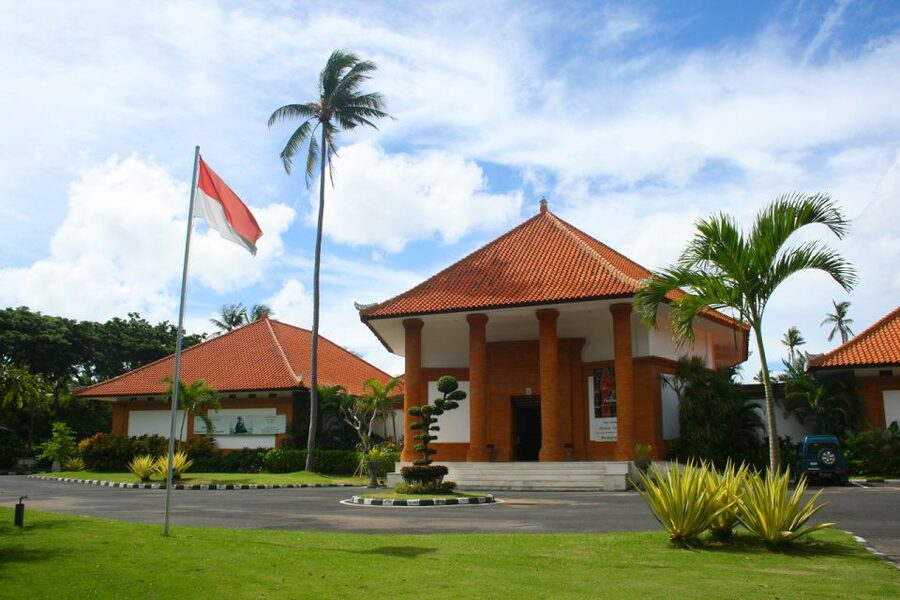
Museum Pasifika gives you a quiet art break from Nusa Dua’s resort zone, with more than 600 paintings and sculptures gathered from across Indonesia, Asia, and the Pacific. The collection ranges from Indonesian masters such as Raden Saleh and Affandi to Oceanic sculpture collected over 50 years by Michoutouchkine and Pilioko.
I like the excellent spread of subjects and the chance to see Indonesian, Pacific, and European art in one visit. I also like the low $7 price, refreshments, wheelchair access, parking, and the option of an English or Indonesian audio guide. The main drawback is that the museum may feel less polished than its collection deserves, with one recent visitor noting humidity, open doors, and works that did not appear well protected.
Key points before you visit
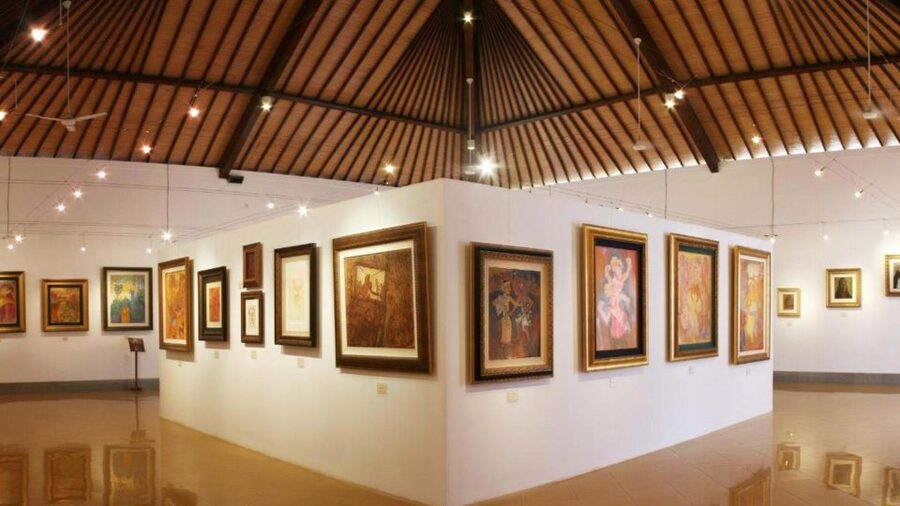
- More than 600 works: Explore paintings and sculptures by about 200 international artists.
- Strong Indonesian section: See works associated with Raden Saleh, Lempad, Affandi, Hendra, and Kobot.
- Rare Pacific collection: Around 200 sculptures come from 10 Pacific nations in the Michoutouchkine and Pilioko Collection.
- Useful audio guide: Choose English or Indonesian interpretation to add context to the galleries.
- Easy Nusa Dua stop: The museum has parking, free Wi-Fi, a café, refreshments, and wheelchair access.
- Quiet atmosphere: This is a calm, self-guided art visit rather than a crowded, tightly scheduled tour.
Why Museum Pasifika is worth your time in Nusa Dua
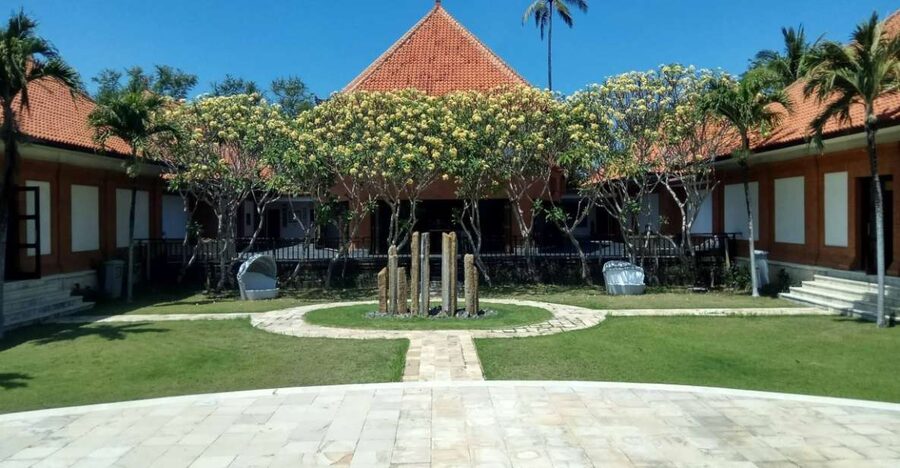
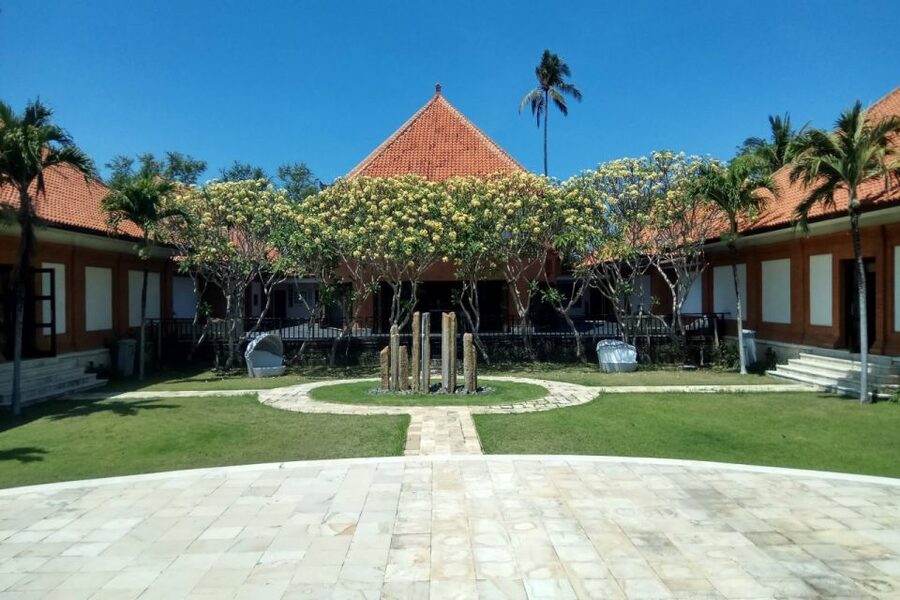
Nusa Dua is best known for resorts, beaches, restaurants, and carefully planned public spaces. Museum Pasifika offers a different kind of afternoon. Instead of rushing between famous landmarks, you can move at your own speed through galleries devoted to art from Indonesia, Asia, and the Pacific.
The museum holds more than 600 works by roughly 200 artists. That number matters because this is not a small room with a few decorative paintings. You get a broad survey, with several distinct sections and enough variety to keep an art lover interested for a substantial visit.
I especially like the way the collection links Indonesia with the wider Asia Pacific region. You are not looking only at art made in Bali. You also see how artists from Europe and other parts of Asia responded to Indonesia, its people, and its visual traditions.
The mood is relaxed and curious. You can stop in front of a work, listen to the audio guide, and continue when you are ready. There is no fixed group route or named guide to follow, so the experience suits independent visitors who prefer to set the pace themselves.
A few more things to do in Kuta worth a look
- Jakarta: Miniature Park, National Museum & Traditional House Tour
★ 4.5 · 17 reviews - Tsunami Museum and Affected Areas Tour of Banda Aceh
★ 5.0 · 4 reviews
Start with Indonesian masters and local artistic voices
The Indonesian collection is one of the main reasons to buy this ticket. It includes more than 50 Indonesian artists, giving you a useful look at the range of the country’s art rather than a single style or period.
Look for works associated with Raden Saleh, Lempad, Affandi, Hendra, and Kobot. These names help anchor the collection, but you should allow time for the less familiar artists as well. The value here is in seeing different approaches side by side, from formal painting to more personal and expressive work.
Raden Saleh is particularly important in the story of Indonesian art. His work connects local subject matter with European academic training. Affandi is known for forceful, expressive painting, while Lempad is closely linked with Bali’s artistic traditions. The museum gives you a chance to see these names in the same setting, then consider how different their methods and subjects can be.
The audio guide can be useful in this section, especially if you do not already know Indonesian art. It is available in English and Indonesian. Since the visit is self-guided, you can listen only when a work catches your attention instead of standing through a long explanation for every room.
This section should appeal to you if you want more than a resort-area introduction to Bali. It does not replace a specialist museum visit in Denpasar or Ubud, but it offers a convenient starting point and places Indonesian artists within a wider regional collection.
European artists looking toward Bali and Asia
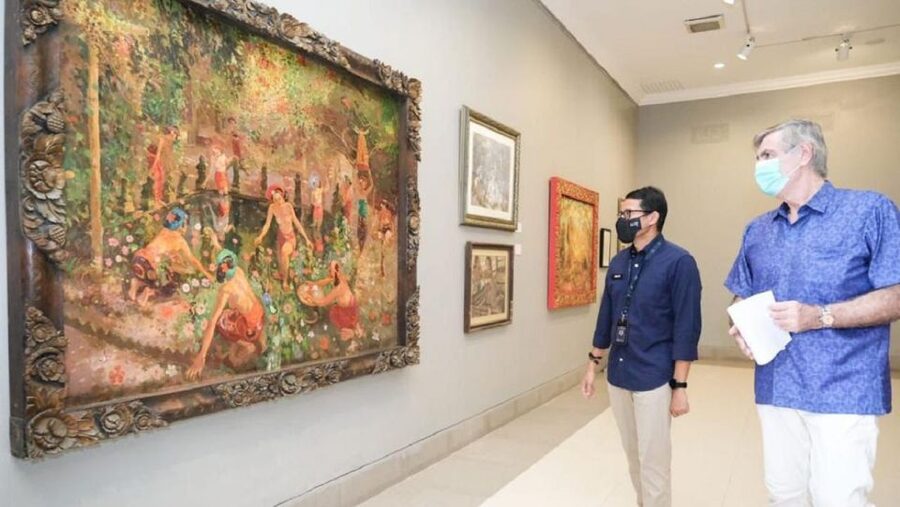
Another section focuses on Indo-European artists who were inspired by Indonesia and the wider Asian continent. This part helps explain why Bali became such an important subject for foreign artists.
You will find artists connected with different European traditions, including Italian, French, and Dutch creators. Names listed for the collection include Walter Spies, Miguel Covarrubias, Jean Le Mayeur, and Charles Sayers.
Their connection with Bali is not identical. Some artists looked at local people and daily life. Others responded to the island’s light, ceremonies, landscapes, or artistic traditions. As you move through the rooms, pay attention to the difference between an outsider’s view and the work of Indonesian artists shown elsewhere in the museum.
That contrast is one of the visit’s most useful features. You can compare how artists who lived or worked in Indonesia represented the country with how Indonesian artists represented their own surroundings. The museum brings these perspectives together without requiring you to travel between several collections.
This section may be especially rewarding if you enjoy cultural context. It also gives you a chance to think critically. European paintings inspired by Bali can be attractive, but they are still shaped by the artist’s personal background and outside viewpoint. The audio guide can help you understand who made each work and why the artist matters.
Hanoi-trained artists add a wider Asian connection
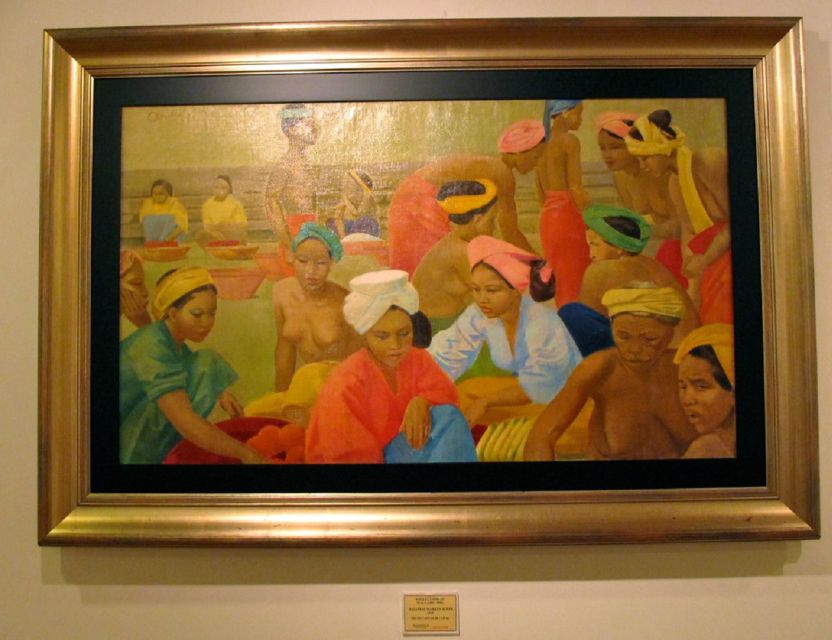
Museum Pasifika also displays work by Indonesian students of the Beaux-Arts School of Hanoi. This is an easy section to overlook if you are focused only on famous European names, but it adds useful regional context.
The school is linked with artists whose work has appeared in international exhibitions and publications. Their presence shows that Indonesian art developed through several educational and cultural networks, not only through local traditions or European influence.
For you, this means the visit is not simply a collection of Bali paintings. The museum also points toward the movement of artists, ideas, and training across Asia. If you use the audio guide, give this section time. The background may be less familiar, and a little explanation can make the works easier to place.
The collection works best when you treat it as a series of connections. Indonesian artists appear alongside European artists influenced by Indonesia, then alongside artists connected to Hanoi’s art education. You get a sense of exchange rather than a single straight story.
Same base, a different sort of day:
- Nusa Penida day trip: boat, 4 snorkeling, Manta rays & Land tour
★ 5.0 · 2,033 reviews - Bali Nusa Penida West Private All-Inclusive Tour
★ 5.0 · 1,277 reviews - Mount Batur Sunrise Trekking Private Tour with Breakfast and Hotel Transfer
★ 5.0 · 885 reviews - Individual Bali Day Trip with Private Driver and Free WiFi
★ 5.0 · 755 reviews
The Michoutouchkine and Pilioko Pacific collection
The Pacific section is one of the most distinctive parts of the museum. The Michoutouchkine and Pilioko Collection of Premier Art of Oceania contains around 200 sculptures from 10 different Pacific nations.
The collection was built over 50 years by the two artists and collectors. It is described as one of the most complete collections of its kind worldwide. Even if you do not know much about Pacific art, the scale gives this section real weight.
Sculpture changes the rhythm of the visit. After rooms filled mainly with paintings, three-dimensional works give you different shapes, surfaces, and forms to consider. You can view pieces from several Pacific nations and notice how varied the region’s artistic traditions are.
I would allow extra time here rather than treating it as a quick final room. Pacific art is often reduced in tourist settings to a few decorative objects. This collection offers a much wider selection and gives the works room to be seen as art rather than as simple souvenirs.
The audio guide is helpful here too, since the objects may come from places and traditions you do not know well. The information can provide a starting point for understanding the works, though the display itself remains the main attraction.
The Legendary Western Artists Exhibition
The Legendary Western Artists Exhibition brings the collection back to famous European names, with a focus on artists influenced by Asia or the Pacific.
You can see sculptures and woodcuts connected with Paul Gauguin’s Tahiti period, along with works by Henri Rousseau, Henri Matisse, Auguste Rodin, Marvina Hoffmann, and Bernard Buffet. This section is likely to attract visitors who recognize major Western artists but may not expect to encounter their work in Nusa Dua.
Gauguin’s Tahiti period is particularly relevant to the museum’s wider theme. His work reflects the way Western artists looked toward the Pacific and built artistic ideas around places far from Europe. The collection lets you consider that connection alongside actual Pacific art in another part of the museum.
Rodin provides a different point of interest through sculpture, while Rousseau, Matisse, Hoffmann, and Buffet broaden the display beyond one artistic movement or style. The section is not large enough to replace a major European art museum, but it adds name recognition and a useful comparison with the Indonesian and Pacific collections.
For many visitors, this will be the easiest section to enter because the artists are familiar. I would still suggest starting with the Indonesian and Pacific rooms if you want the museum’s most distinctive material first.
What the audio guide adds to the visit
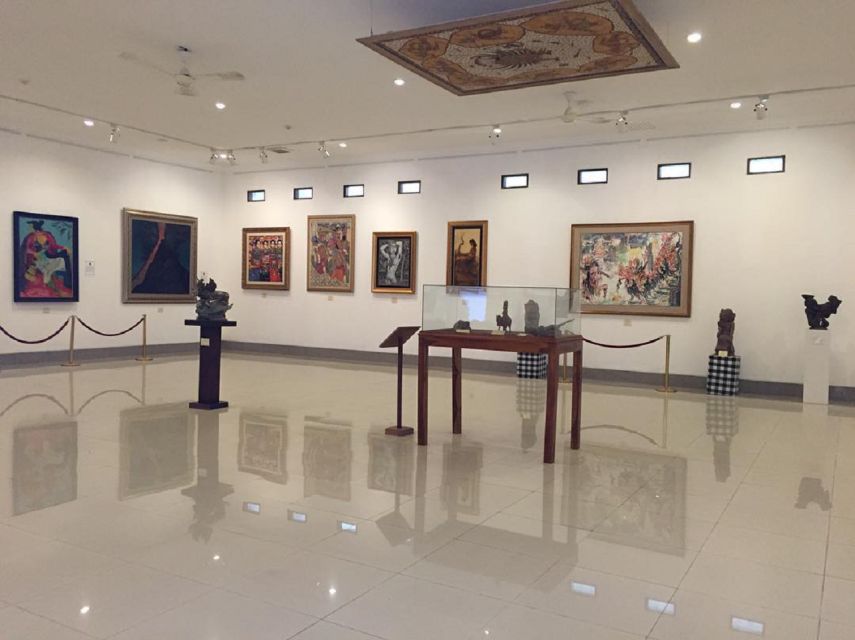
The audio guide is included and available in English or Indonesian. It is not a live tour, so you will not have a guide adjusting the explanation to your questions. On the other hand, you can move freely and choose how much information you want.
I like this format for a collection with so many artists and regions. Without some background, the galleries could feel like a long sequence of unrelated objects. The audio guide helps connect names, places, artistic movements, and subject matter.
Use it selectively. You do not need to listen to every entry. Choose works that interest you, then continue at your own speed. If you are visiting with children or with someone who does not want a detailed art lecture, this flexibility makes the museum easier to enjoy together.
The guide is also useful for the Pacific collection and the Hanoi-related works, where names and context may be unfamiliar. English and Indonesian coverage makes the visit more accessible for both international and local audiences.
Comfort, access, and the practical side of the visit
The ticket is valid for one day, and you can check the available starting times when booking. Since this is an admission visit rather than a transport package, you need to make your own way to the museum and show your ticket at the reception area.
Hotel pickup and drop-off are not included. That matters if you are staying outside Nusa Dua or do not already have transportation arranged. The museum does have a large parking area, so arriving by car is straightforward based on the facilities provided.
The galleries and facilities are wheelchair accessible, including access for motorized wheelchairs. That is a useful feature for anyone who needs step-free access. Free Wi-Fi is available onsite, and there is a café for a break.
Your ticket also includes a cold towel and a drink choice of tea, coffee, or infused water. These are modest extras, but they make sense in Bali’s warm climate. They give you a chance to pause before continuing through the galleries.
One practical concern is climate control. A recent visit report found no air conditioning, with doors left open, and felt that some works were not well protected from humidity. Conditions may vary, but Bali’s heat and moisture are worth considering if you are particular about museum presentation or conservation standards.
Flash photography, tripods, weapons, and sharp objects are not allowed. Plan to take photographs without flash and leave large photography equipment behind.
Is the $7 ticket good value?
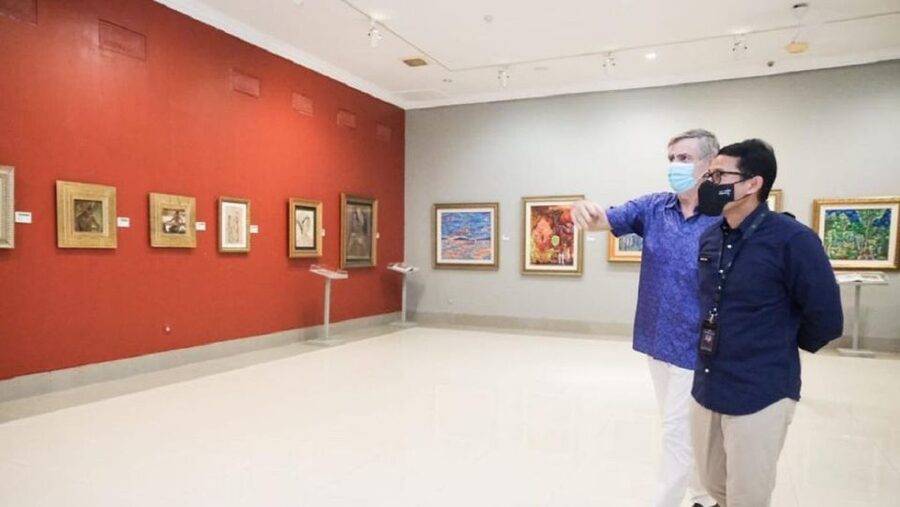
At $7 per person, the ticket is inexpensive for the amount of art on display. You are paying for access to more than 600 works, an audio guide, and small refreshments. Children aged 0 to 11 enter free, which makes the cost especially manageable for a family.
Value depends on your expectations. If you want a sleek, heavily air-conditioned museum with perfect conservation conditions and a formal guided tour, you may find the presentation disappointing. The collection is more important than the polish of the setting.
If you enjoy art, the price is easy to justify. You can spend time with Indonesian masters, see a substantial Pacific sculpture collection, and compare Asian, European, and Oceanic viewpoints without paying for several separate attractions.
It is also a sensible rainy-day or hot-afternoon plan in Nusa Dua. You are not committing to a full-day tour with transport, meals, or a large group. You simply get admission and explore at your own pace.
Who should book this Museum Pasifika ticket?
I would recommend it to you if you enjoy museums, art history, cultural comparison, or quiet sightseeing. It suits visitors who want to see more of Bali than beaches and resort facilities, but who do not want a demanding full-day excursion.
Families may find it useful because children under 12 enter free, the galleries are wheelchair accessible, and the visit can be shortened or extended depending on interest. The audio guide also lets adults focus on certain works while younger visitors move at a faster pace.
It is a good choice for an independent visitor who does not need a live guide. You will have to make your own way there, but you also avoid a fixed group schedule and can spend more time in the rooms that appeal to you.
Art specialists should keep expectations measured. The collection has impressive breadth, but the reported humidity and open-door conditions may bother anyone expecting strict museum standards. Come for the range and the Pacific collection, not only for immaculate presentation.
Should you book it?
Book this ticket if you want a calm, affordable cultural stop in Nusa Dua, especially if Indonesian and Pacific art interest you. The combination of Indonesian masters, European artists connected with Bali, Hanoi-trained artists, and 200 Pacific sculptures gives the visit more substance than a typical resort attraction.
Skip it if you are looking only for major masterpieces in a highly controlled museum setting. The collection is broad and unusual, but the facilities may feel basic. At $7, though, the risk is small, and the free entry for children makes it an easy addition to a Nusa Dua day.
FAQ
Where is Museum Pasifika located?
Museum Pasifika is in Nusa Dua, Bali, Indonesia.
How much does admission cost?
The listed price is $7 per person.
How long is the ticket valid?
The ticket is valid for one day, on the visit date selected.
What does the ticket include?
It includes admission, an audio guide, a cold towel, and a drink choice of tea, coffee, or infused water.
Is the audio guide available in English?
Yes. The audio guide is available in English and Indonesian.
Are children admitted free?
Children aged 0 to 11 can enter free of charge.
Is the museum wheelchair accessible?
Yes. The galleries and facilities are accessible to wheelchairs and motorized wheelchairs.
Is hotel transportation included?
No. Hotel pickup and drop-off are not included.
Can I park at the museum?
Yes. The museum has a large parking area.
What items are not allowed inside?
Weapons, sharp objects, flash photography, and tripods are not allowed.
Just added in Kuta
- Your Fragrance Selection: Bali Perfume Workshop and Creations★ 5.0 · 3 reviews
- Nusa Penida 4 Spot Snorkeling with Manta and Island Tour★ 4.5 · 11 reviews
- Ubud Highlights Rice Terraces, Temple, Waterfall & Monkeys forest★ 5.0 · 23 reviews
- Bali Atv Riding through Cave and Waterfall★ 5.0 · 18 reviews
- Experience West Nusa Penida Private Tour★ 4.5 · 14 reviews
- Premium White Water Rafting and Jungle Buggies in Bali★ 4.0 · 15 reviews
- Waterbom Bali Tickets – Single Day Pass★ 5.0 · 5 reviews
- West Nusa Penida Day Trip★ 5.0 · 8 reviews
Tours in Kuta, compared.
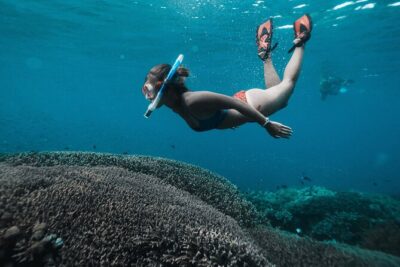
Nusa Penida day trip: boat, 4 snorkeling, Manta rays & Land tour
Read our review →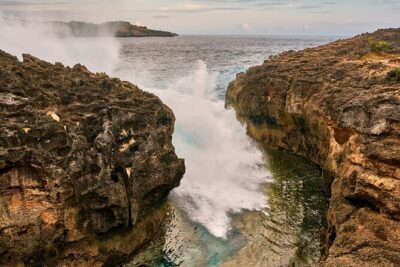
Bali Nusa Penida West Private All-Inclusive Tour
Read our review →
Mount Batur Sunrise Trekking Private Tour with Breakfast and Hotel Transfer
Read our review →
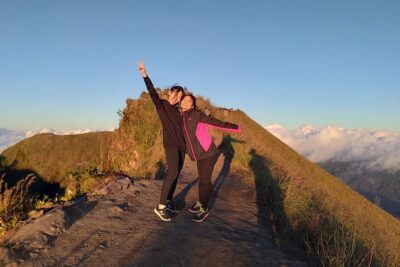
Private Tour Mount Batur Sunrise Trekking and Natural Hot Spring
Read our review →
Private Tour Bali Beaches and Uluwatu Temple with Dinner
Read our review →