
Reviewed · COOKING CLASSES
Pure Bali Village Experience, Cooking & Jamu Class+VIP Transfer
Bali’s most rewarding food lesson may begin in a garden, not a kitchen. On this full-day outing, you pick herbs, turn them into jamu, cook a Balinese lunch, and then walk through a mountain village where rice farming and family compounds still shape daily life. I especially like the hands-on cooking and the chance to plant rice with a local farmer.
I also like the small maximum of 12 people, which gives you time at the stove instead of watching from the back. Hotel pickup makes the long ride easier, though the day is full, the drive from the main resort areas can take time, and the 30-minute downhill walk may not suit everyone.
Key details at a glance
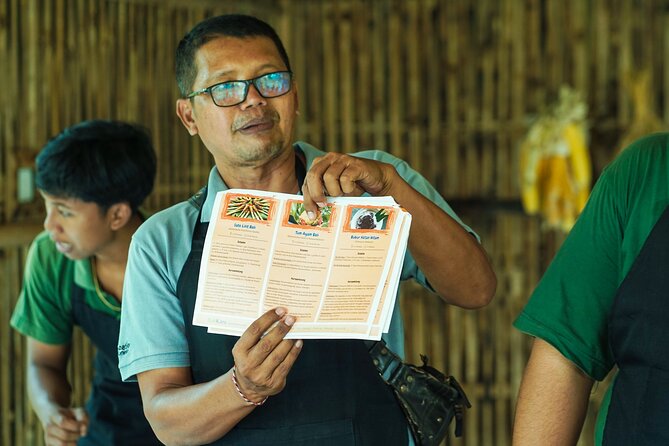
- Two kinds of jamu: Pick herbs from a garden with more than 40 plant varieties, then prepare and taste two traditional Indonesian herbal drinks.
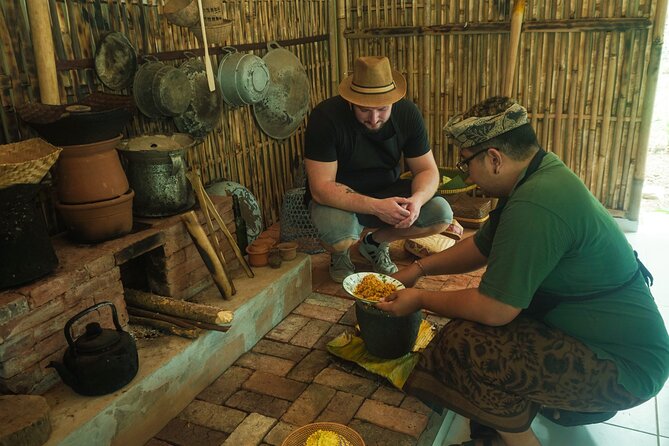
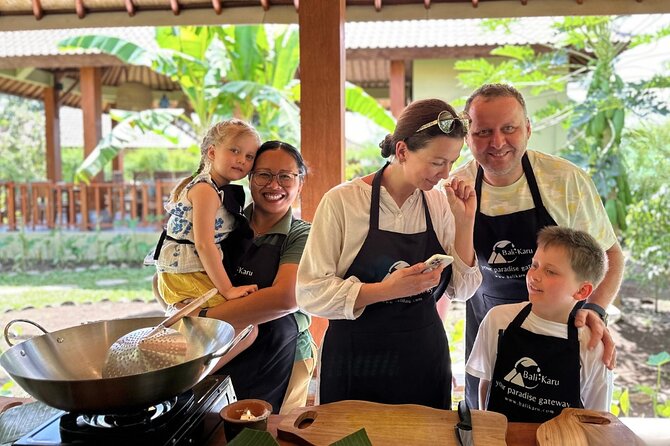
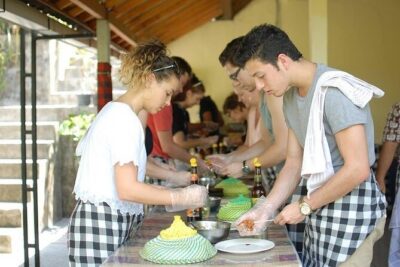
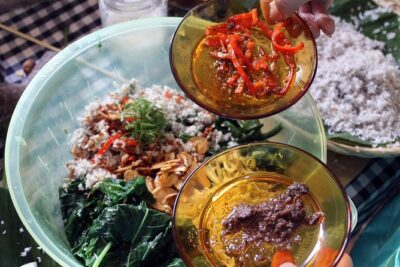
- Lunch you actually cook: Work with a chef in an open-air kitchen to prepare nasi campur, sate lilit, and lak lak dessert.
- A real village setting: Walk past rice fields, meet farmers, visit a traditional compound, and see Asta Kosala design in context.
- Hands-on rural activities: Plant rice, visit animals and stingless Trigona beehives, and try the Rindik, a Balinese bamboo instrument.
- A mountain finish: End at Belulang Hot Spring, where an optional bath and purification experience may be available.
- Door-to-door convenience: Air-conditioned transport, hotel pickup and drop-off, an English or German-speaking guide, and a maximum of 12 people are included.
Why this day feels different from a standard Bali tour
Many Bali day trips move from one famous sight to another. This one slows down in a mountain village near Mount Batukaru and builds the day around ordinary skills: cooking, farming, music, gardening, and household design.
That change of pace matters. You are not simply looking at a rice field from a roadside stop. You help plant rice. You do not just order a Balinese meal. You prepare it yourself, then sit down to eat what you made. You are not handed a packaged wellness drink. You gather ingredients and make jamu at the Jamu Pavilion.
I like that the experience connects food with place. The herbs in your drink come from the garden, the meal uses local produce, and rice farming is part of the afternoon rather than a backdrop for photographs. The tone is friendly and participatory, with plenty of room to ask questions and work alongside the guide and chef.
The trade-off is time. From the 7:30 am start to the return after the hot spring, this is an approximately eight-hour day. You will spend part of it in the vehicle, but the scenic drive through tropical countryside helps make the journey part of the experience.
More cooking in Bali:
- Ubud Cooking Class Bali with Balinese Chef
★ 5.0 · 1,609 reviews - PRIVATE Authentic Balinese Cooking Class in Ubud at Putu’s Home
★ 5.0 · 644 reviews - Balinese Ubud cooking school (9 Dish Cooking and Market Tour)
★ 5.0 · 540 reviews
A scenic morning ride to the Batukaru highlands
Pickup begins at 7:30 am, with transport in an air-conditioned vehicle. Pickup and drop-off at your hotel are included, a useful benefit in Bali, where a village destination can be awkward to reach by yourself.
The drive includes scenic stretches and photo stops before you reach the mountain village. The trip is sold as a door-to-door experience, so you do not need to arrange a separate driver for the day. That adds real value to the $89 price, especially if you are staying in a busy resort district and want a rural setting without negotiating transport.
The schedule is not designed for a late start. You should be ready at your hotel at the stated time, and you should expect a full day rather than a quick half-day class. Wear clothes that can handle cooking, walking, and possible contact with wet soil during rice planting.
Starting with Rindik and a garden of 40 herbs
The first village activity introduces you to the Rindik, a traditional Balinese instrument. It is made from bamboo and has a gentle, distinctive sound. You get a chance to learn how it is played before moving into the garden and the food activities.
The guided herb and spice garden contains more than 40 varieties of plants. This is one of the day’s most useful stops because it gives you a clearer idea of how Balinese cooking and traditional wellness connect. Instead of seeing herbs only as ingredients on a plate, you can see the plants themselves and learn how they are used.
The garden also sets up the jamu class. Jamu is an Indonesian herbal drink with a long place in local health traditions, yet it is easy to miss if you spend your time around Bali’s beaches, shops, and major temples. Here, you prepare and taste two types of jamu, along with fruit.
Do not expect a modern spa treatment or a medical lesson. The appeal is cultural and practical. You learn about a drink many Balinese people recognize from daily life, using herbs picked close to the kitchen. If you have dietary or health concerns, ask the guide about the ingredients before tasting.
Making jamu at the Jamu Pavilion
The jamu portion is more than a quick demonstration. You take part in production, which makes the drink easier to remember and understand. The precise recipes are not provided in the tour details, so the class is best approached as a hands-on introduction rather than a formal recipe course.
You will make and taste two jamu drinks and sample fruit. This part suits curious eaters and anyone interested in herbal traditions, but it may be less appealing if you want a strictly culinary class with advanced techniques.
I like the way the activity gives you something concrete to take home in your memory, and perhaps in the farewell gift included at the end. You also receive a personal cooking class certificate by email after the tour, a small extra that may appeal to families and people collecting experiences rather than souvenirs.
Other village days out of Bali:
- Jungle Trekking at Mt. Batukaru, scenic Waterfall & village life
★ 5.0 · 5 reviews - Bali Full-Day Traditional Village Sightseeing Trip All Inclusive
★ 5.0 · 3,069 reviews - Menoreh Village Cycling
★ 5.0 · 611 reviews - Kintamani Cultural and Nature Cycling Tour ( Manual Bike )
★ 5.0 · 257 reviews
Cooking lunch in the open-air Paon Bali kitchen
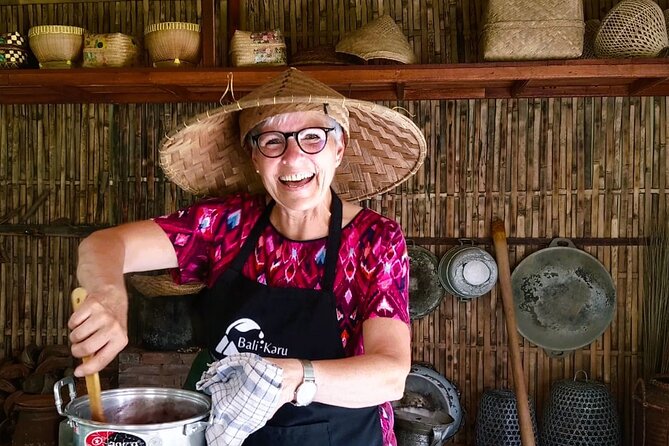
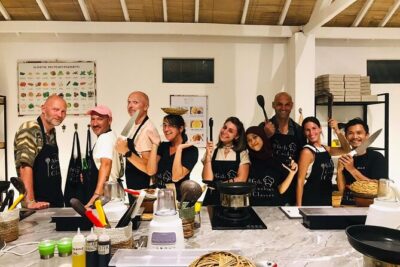
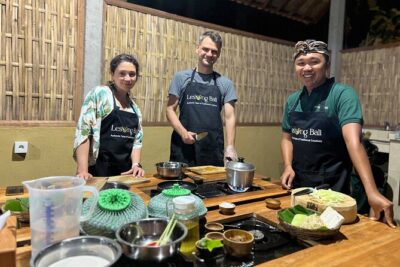
The main food activity takes place at Paon Bali, an open-air Balinese kitchen. With guidance from the chef, you prepare a traditional lunch rather than watching a staged cooking show.
The meal includes nasi campur tumping, dessert, and the dishes you make during the class. A highlight is the live bamboo grill station, where you prepare sate lilit. This Balinese specialty uses seasoned mixture shaped around a skewer, and the cooking method gives the group a lively task to share.
You also learn to make lak lak, a popular Balinese dessert, using a traditional clay pot. That detail matters because it brings an older cooking method into the class. It also gives the lesson a sweet finish before lunch.
The cooking is intended to be social. You work together, follow the chef’s direction, and then eat the result in the quiet village setting. I would choose this experience over a demonstration-only class if you want to understand how Balinese food comes together through preparation, tools, and shared work.
The meal is not listed as a separate restaurant stop, so lunch is the food you prepare. Tell the operator about dietary needs when booking. Vegetarian requirements can be accommodated, but you should state them in advance rather than waiting until the kitchen session begins.
Planting rice after lunch
After eating, you walk to help a farmer with rice planting. This is a short activity in the schedule, but it may be the most grounding part of the day. Rice is not just a photogenic feature of Bali. It is work, food, income, and a central part of village life.
You will want shoes and clothing suited to the conditions. The tour does not provide detailed information about footwear or changing facilities, so ask ahead if you need specific arrangements. Expect the activity to be practical rather than polished.
The day also includes a visit to the Balikaru farm, where you can see animals and stingless Trigona beehives. The opportunity to feed a cow or observe the bees gives the rural setting more variety, especially for families. It is a simple stop, but it helps show how farming includes more than rice alone.
A 30-minute walk through village life
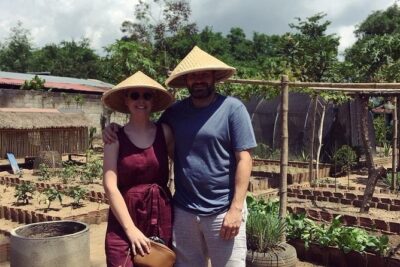
A soft trek of approximately 30 minutes leads downhill through the village. Along the route, you get mountain views, rice fields, and a chance to talk with local people. The walk is not described as strenuous, but downhill paths can still be difficult in wet weather or for anyone with knee problems.
This is where the small group size helps. With no more than 12 people, the walk can feel less like a procession, and the guide has more chance to explain what you are seeing. You may find the pace relaxed, but you should still bring comfortable walking shoes and be ready for uneven ground.
The walk also gives the day a useful rhythm. After sitting in a vehicle and working in the kitchen, you have time outdoors before the final hot spring stop.
Entering a traditional Balinese compound
The village route includes a visit to an authentic Balinese compound. You learn about Asta Kosala architecture, a traditional approach to designing buildings and spaces that is influenced by Balinese Feng Shui.
This stop adds context that a photo stop cannot provide. You see how a home is arranged and hear why its design matters, rather than treating village architecture as scenery. The experience is especially worthwhile if you want to understand Bali beyond temples and resort buildings.
The wording of the tour emphasizes an authentic compound, but it does not provide details about the family living there or the exact rooms you enter. Be respectful with photographs and follow the guide’s directions. A home visit works best when you treat it as a cultural exchange, not an attraction built for quick snapshots.
Finishing at Belulang Hot Spring
The final stop is Belulang Hot Spring, where bathing is optional. The hot spring also connects with the spiritual side of the day, and some versions of the experience may include a purification ceremony. The core tour information specifically lists the hot spring and optional bath, so confirm the exact arrangements if a purification ritual is important to you.
This is a pleasant way to finish after cooking, walking, and rice planting. Bring suitable swimwear if you want to bathe, though the supplied details do not specify changing facilities, towels, or other bathing equipment. Personal drinks and expenses are not included, so carry some money for anything extra.
The hot spring is not a stand-alone resort visit. It is the closing piece of a day built around village customs, food, and the natural setting. If you want a long spa session, this may feel brief. If you want a quiet final stop with a local spiritual connection, it fits the day well.
What the $89 price really covers
At $89 per person, this is not the cheapest cooking lesson in Bali. The price makes more sense when you add up what is included: hotel transport, a scenic mountain drive, a guide, garden visit, jamu production, cooking instruction, lunch, rice planting, the farm visit, village walk, traditional compound, hot spring stop, farewell gift, and a cooking certificate by email.
You are also paying for access to a rural area that is not as easy to reach independently. Hiring a private driver could take you to the region, but you would still need to arrange the cooking class, garden activities, farm visit, and village introductions separately.
The value is strongest for couples, families, and small groups that want one organized day with several connected activities. It is less compelling if your main goal is an intensive professional cooking course or if you already have private transport and plenty of time to arrange village visits yourself.
Tips, drinks, and personal expenses are extra. Group discounts are available, and the maximum group size is 12, so ask about the current discount before booking if you are traveling with several people.
Who should book this experience
I would recommend this day to you if you want:
- A food class that includes making and eating the meal
- A direct look at village farming and household life
- A quieter mountain setting away from Bali’s busiest resort areas
- Activities that work for families, including animals, music, cooking, and planting rice
- A guided day with transport already arranged
- An introduction to jamu and Balinese herbal traditions
You should think twice if you dislike group activities, cannot manage a downhill walk, or want a relaxed spa day with little structure. The schedule packs in many elements, and the transfer time means you are committing most of a day.
English and German guiding are included. Other languages cost extra. Service animals are allowed, and dietary needs such as vegetarian meals can be accommodated when noted in the special requirements at booking.
Practical details before you go
The tour starts at 7:30 am and lasts about eight hours. Good weather is required. If poor weather cancels the experience, you can receive a different date or a full refund.
Free cancellation is available up to 24 hours before the start time. Changes or cancellations inside that window are not accepted for a refund, so check your plans before the final day.
Pack comfortable shoes, clothes suitable for cooking and outdoor work, sun protection, and swimwear if you want to use the hot spring. Because the day includes food preparation and possible contact with soil or water, avoid wearing anything you would be upset to stain.
The experience is available with a mobile ticket, and confirmation is received at booking. The provider is Balikaru.
Should you book the Pure Bali Village Experience?
Book it if you want your Bali food experience to connect with farming, plants, village design, and local customs. The strongest parts are the garden-to-glass jamu session, the cooking class with sate lilit and lak lak, and the chance to help plant rice rather than simply photograph it.
The main caution is the packed eight-hour schedule and the downhill walk. For most active families, curious food lovers, and first-time Bali visitors who want a mountain day beyond the standard sightseeing circuit, the $89 cost is fair. You get transport, lunch, instruction, and several local activities in one well-planned outing.
FAQ
What time does the experience start?
The tour starts at 7:30 am.
How long does the tour last?
The experience lasts approximately eight hours.
Is hotel pickup included?
Yes. Hotel pickup and drop-off are included in the air-conditioned vehicle service.
How many people can join the tour?
The maximum group size is 12 travelers.
What food will I prepare?
You prepare an authentic Balinese meal that includes nasi campur tumping, sate lilit prepared at a bamboo grill station, and lak lak dessert made using a traditional clay pot.
Can vegetarian dietary needs be accommodated?
Yes. Dietary needs such as vegetarian meals can be accommodated if you provide the information in the special requirements when booking.
Is bathing at Belulang Hot Spring required?
No. The bath at Belulang Hot Spring is optional.
Just added in Bali
- Private Tour – Ubud Kintamani Tours★ 5.0 · 7 reviews
- Bali Mangrove Canoeing Tour★ 4.5 · 3 reviews
- Bali ATV Ride with Waterfall Dragon Cave and Lunch by Penidago★ 4.5 · 7 reviews
- Private Arrival Transfer: Bali Airport to Hotel★ 3.5 · 47 reviews
- Private Departure Transfer: Hotel to Bali Airport★ 3.5 · 14 reviews
- The Three Temples of Bali Half Day Private Tour★ 4.0 · 5 reviews
- Mount Batur Jeep Sunrise by 4WD with Breakfast★ 5.0 · 18 reviews
- Foodie Tour Bali★ 5.0 · 7 reviews
Cooking Classes, compared.
PRIVATE Authentic Balinese Cooking Class in Ubud at Putu’s Home
Read our review →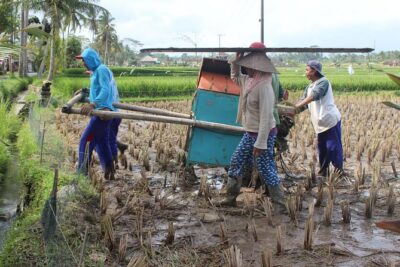
Balinese Ubud cooking school (9 Dish Cooking and Market Tour)
Read our review →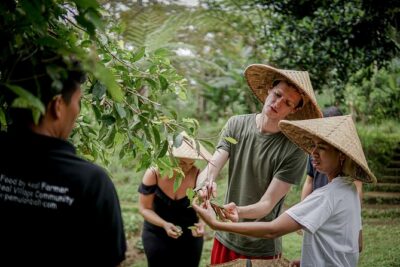
Learn to cook Indonesian food at Gili Cooking Classes Trawangan
Read our review →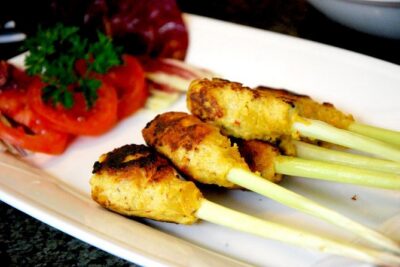
Browse the lists this tour appears in