
Reviewed · COOKING CLASSES
Nia Bali Seminyak Cooking Class
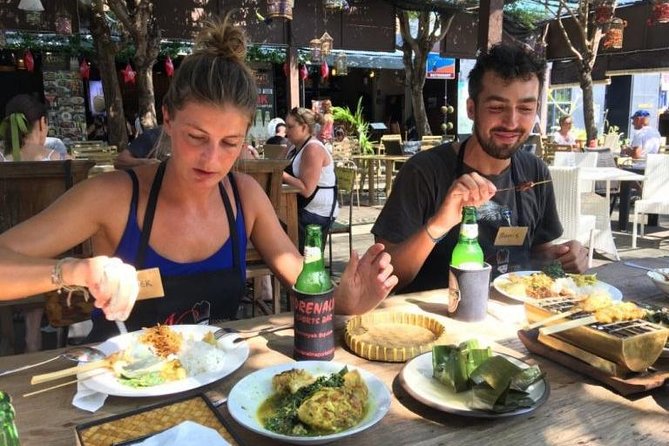
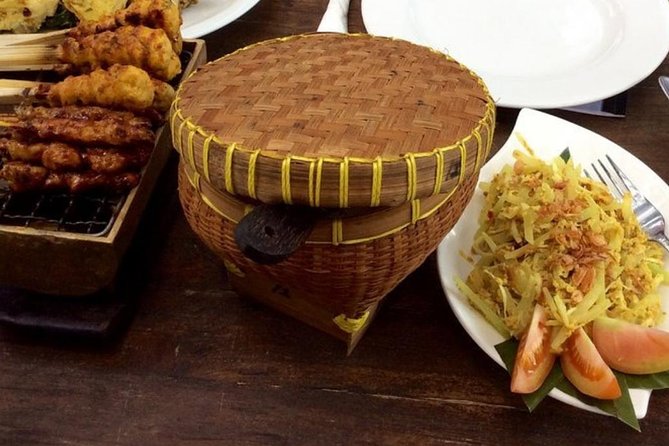
The best part of Nia Bali Seminyak Cooking Class is the sheer amount of food you make. Instead of stopping after three or four recipes, you work through up to 12 Balinese dishes, from spice pastes and satay to nasi goreng, salads, and sweet corn coconut snacks. You then sit down and eat the lot for lunch.
I like the early market visit, where you see the fish, meat, poultry, fruit, and spices that give Balinese cooking its character. I also like the practical finish: you take home a cookbook and certificate, so the class can continue in your own kitchen. The main consideration is the format. Although the activity is described as private for your group, the cooking session can be large, so it suits social cooks more than anyone seeking a quiet one-to-one lesson.
Key points to know before booking
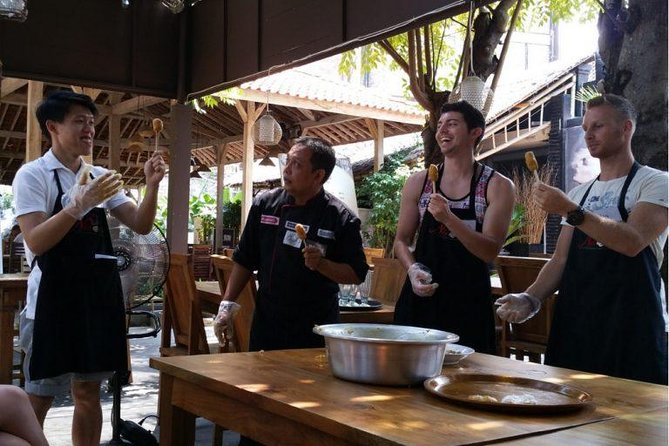
- Twelve dishes in one morning: You may prepare spice pastes, chicken, pork, seafood, vegetables, rice, satay, and a sweet snack.
- The market comes first: An early visit introduces you to local ingredients before you begin cooking.
- Tommy Ford leads the fun: The instructor is praised for humor, food knowledge, and getting everyone involved.
- Lunch is your finished work: You eat the dishes you prepare, rather than receiving a separate meal.
- Dietary needs can be discussed: The class has adapted dishes for a pescatarian participant, but you should report allergies in advance.
- Plan your own ride home: Pickup starts at 8 a.m. in Seminyak, but drop-off is not included.
A full Balinese menu, not just a quick demonstration
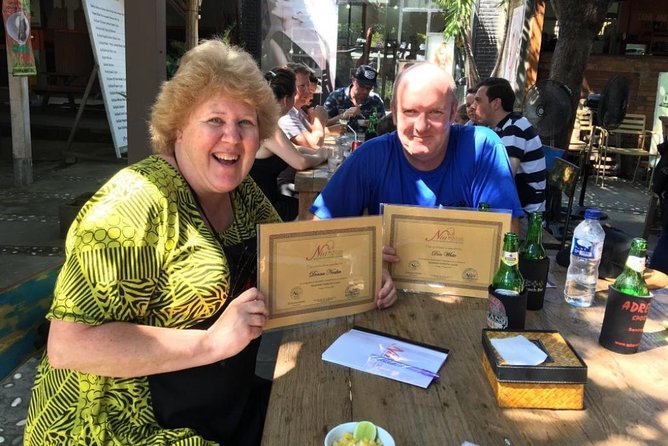
At about $71.50 per person, this class asks more than a short cooking demonstration, but it also gives you a lot more in return. The four-and-a-half-hour schedule includes transport pickup in the Seminyak area, a market visit, instruction, lunch, drinks, a cookbook, and a certificate.
The value depends on what you want from a food class. If you want to taste a single specialty and be finished in an hour, this is too long. If you want to understand how Balinese meals are built, then practice several techniques and eat the results, the price is easier to justify.
The menu is the main reason. You are not simply making one curry and calling it a morning. You may prepare two different spice bases, chicken dishes, pork, seafood, vegetables, rice, satay, salads, and a sweet snack. That gives you a useful picture of how Balinese cooking balances spice, aromatics, meat, seafood, coconut, peanuts, and fresh produce.
There is also a practical benefit to making many dishes in one session. You can compare textures and flavors at the lunch table, then decide which recipes are realistic for your own kitchen. The class also covers possible ingredient substitutions, which helps if some Balinese produce or spices are hard to find at home.
More cooking in Seminyak:
- Balinese Cooking Class in Seminyak
★ 5.0 · 281 reviews - Cooking class in the comfort of your own personal villa. Yes, I’ll come to you!
★ 5.0 · 80 reviews - Balinese Cooking Class & Tanah Lot Temple Visit – Private & All-Inclusive
★ 5.0 · 24 reviews
Starting at Seminyak Square and heading to the market
The day begins with pickup from the Seminyak area at 8 a.m. The listed meeting point is Warung Nia Balinese Food & Pork Ribs at Jl. Kayu Aya No. 19-21, near Seminyak Square. Since the pickup is free only from the Seminyak area, confirm your exact location before booking.
The first stop is a traditional morning market. This is more than a shopping errand. It gives you a look at the raw materials behind the dishes you will prepare later. Depending on the day’s supply, you may see fish, meat, poultry, tropical fruit, and the spices used in Balinese pastes.
I like this order. You meet the ingredients before meeting the recipes. A paste on a kitchen counter can seem like a mysterious orange or yellow mixture, but seeing the separate ingredients at the market gives it some context.
The market also helps you notice how different Balinese cooking is from simply adding a bottled curry sauce. Fresh aromatics and spice blends do much of the work. The visit is likely to be most useful for curious cooks who want to recognize ingredients later, not for anyone expecting a long guided market history lesson.
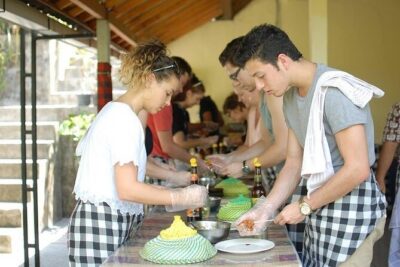
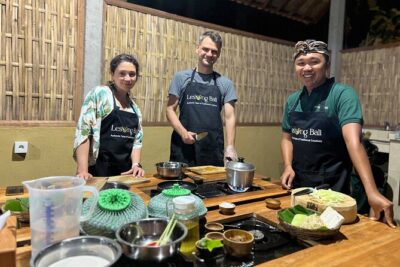
After selecting fresh ingredients, you head to Nia Cooking Class. The schedule is built around participation, and the class aims to give each person something to prepare. That matters in a large session, since watching a chef do all the work would make the morning feel less worthwhile.
Learning the spice pastes that shape the meal
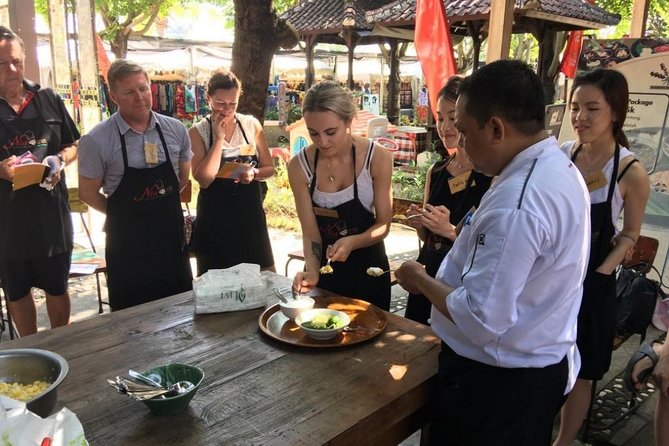
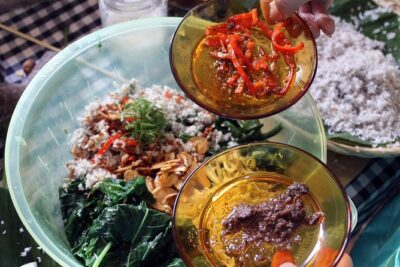
The class begins its culinary work with spice pastes. One listed paste is Base Be Pasih, used for seafood and orange in appearance. Another is Base Be Siap, the yellow paste used for chicken.
These pastes are a key part of the lesson because they show how one basic preparation can lead to several finished dishes. You are not just learning a recipe card. You are learning how Balinese food gets its color, aroma, and heat before the meat or seafood reaches the pan.
The menu also includes Base Sate, a peanut sauce for satay. This gives you a third style of flavor to compare with the seafood and chicken pastes. Together, the sauces and pastes offer the most useful cooking lesson of the day: the difference between a dish’s main ingredient and the seasoning system that makes it distinctly Balinese.
Tommy Ford is identified as the main instructor in the supplied feedback, with his name also written as Tommee Ford. His teaching style is described as funny, energetic, and full of cultural and food information. That combination matters during a long class. Twelve dishes require pace, clear instructions, and a chef who can keep the room involved.
The main dishes: betutu, sweet pork, and satay
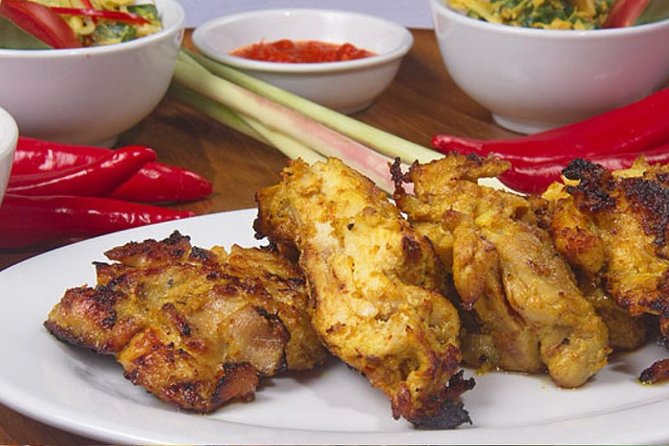
The main menu gives you several different cooking styles. Ayam betutu Bali is chicken roasted in a banana leaf, a dish that shows how wrapping food can protect moisture while carrying fragrance into the meat.
Be celeng base manis is pork cooked in sweet soy sauce. It brings a darker, sweeter flavor to the meal and adds variety beside the more aromatic chicken and seafood preparations.
The satay section includes chicken satay with peanut sauce and sate lilit ikan, minced seafood satay. Sate lilit is especially useful for understanding how finely minced seafood can be mixed with seasonings and shaped before cooking. It also gives pescatarians something substantial to work with.
A pescatarian participant found the menu could be adjusted to suit dietary needs, but you should not leave this to chance. The booking information specifically asks you to mention allergies. Tell the operator before the class, and repeat the concern when you arrive.
The lesson appears suited to mixed skill levels. You do not need to be an experienced cook to take part, while confident cooks will still have plenty to do. The practical challenge is that twelve dishes in a morning means no recipe gets the leisurely pace of a private home lesson.
Same base, a different sort of day:
- Bali Full-Day Traditional Village Sightseeing Trip All Inclusive
★ 5.0 · 3,069 reviews - Experts Bali Driver : Best Bali Private Driver for Tour in Bali
★ 5.0 · 1,339 reviews - Bali Hai Sunset Dinner Cruise
★ 5.0 · 1,173 reviews - Private Arrival Transfer: Bali Airport to Hotel
★ 4.5 · 739 reviews
Vegetables, rice, and the sweet finish
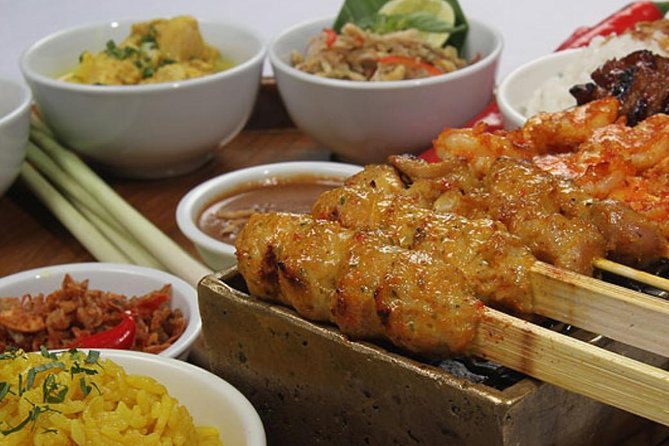
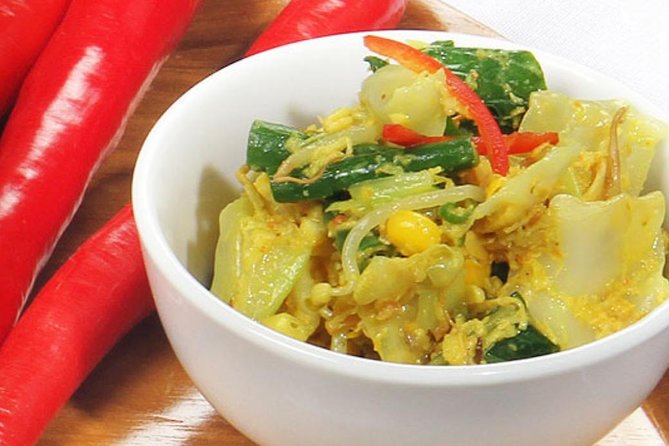
The menu is not all meat. Tum Ayam is minced chicken cooked in a banana leaf, while the green papaya salad with chicken adds a fresher element. Pecelan is a vegetable salad served with peanut sauce, giving you another way to use the sauce beyond satay.
The class also includes nasi goreng ayam, fried rice with chicken. This is likely to be the most familiar dish for many people, and it is a useful recipe to take home because the basic method can work with ingredients available in many countries.
Urab Jagung, a sweet corn coconut snack, finishes the menu on a different note. Its inclusion is a nice reminder that Balinese food is not only about spicy meat dishes. Corn and coconut offer a simple, sweet ending to a meal already packed with strong flavors.
By the end, the table should hold a banquet rather than a single plated dish. You eat the food made during the session, with coffee or tea included. Come hungry. The large menu is part of the appeal, but it is also easy to underestimate how much food twelve recipes can produce.
What the group format feels like
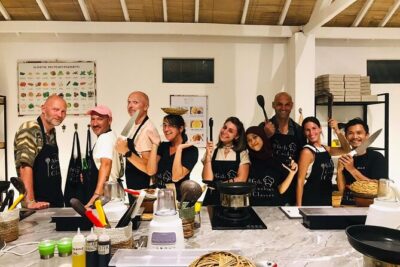
The activity is described as private, meaning only your group should participate. At the same time, comments about the class describe large sessions with many people cooking together. These two details suggest that the exact feel may depend on how the booking is organized and how many people are in your party.
The staff are said to manage a large group well, with everyone given a task. That is important because a crowded cooking class can quickly become passive. Here, the strongest part of the format is the chance to work alongside people from different countries and share the final meal.
For a solo visitor, this can be an easy way to meet people. The class creates natural conversation because everyone is chopping, mixing, cooking, and then eating together. Couples and families also fit well, including families with adult children.
The trade-off is privacy. If you want constant attention from one chef, a quiet counter, or the freedom to change every dish, this may not be your ideal class. If you like a lively room and do not mind sharing equipment or steps, the group setup adds to the fun.
The chef makes the difference
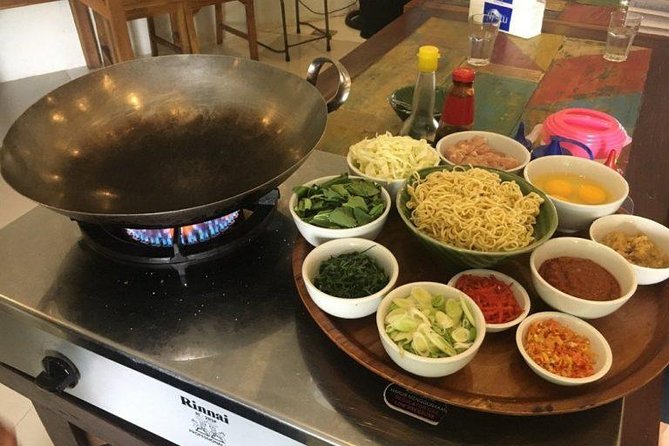
The most praised part of the experience is the teaching. Tommy Ford is repeatedly singled out for explaining the food and culture clearly while keeping the class funny and relaxed. That matters more than fancy equipment in a hands-on food lesson.
A good instructor must do several things at once: explain unfamiliar ingredients, keep a large class moving, show techniques clearly, and give people enough work to feel involved. The feedback describes Tommy as getting everyone to participate, including children and people with different skill levels.
The class also appears well organized. That is not a minor detail when twelve dishes are on the schedule. A slow or poorly planned session would leave you waiting around, but the available information points to a coordinated kitchen operation.
Still, expectations should stay sensible. The schedule is full, so some tasks may be shared or completed as part of a team. You are learning a broad set of dishes in one morning, not receiving twelve long private lessons.
Practical details that affect your decision
Pickup starts at 8 a.m. and is offered only from the Seminyak area. The meeting point is Warung Nia Balinese Food & Pork Ribs on Jl. Kayu Aya, and the activity ends back at that meeting point.
There is no drop-off service. That makes the location important when planning your day. After lunch, you will need to arrange your own onward transport, so do not assume the morning vehicle will take you back to your hotel.
The activity lasts about four hours and thirty minutes. The voucher is valid only on the date selected, and confirmation is sent within 48 hours, subject to availability. The class requires a minimum number of participants, so if that number is not reached, you may be offered another date or experience, or a full refund.
The experience is non-refundable and cannot be changed for any reason after booking. That is worth noting before you pay, especially if your Bali schedule is still shifting. Tips and personal travel insurance are not included.
Who will get the most from this class?
I would choose this for anyone who wants food to be a major part of their Bali visit. It suits cooks who enjoy learning by doing, families who want a shared activity, and solo visitors who like meeting people around a common interest.
It is also a good choice if you care about the story behind ingredients. The market stop gives you a starting point, while the spice pastes show how several dishes are built from fresh flavor bases.
Pescatarians may be able to take part comfortably, but allergies and dietary limits must be raised before the class. The menu includes pork, chicken, seafood, and peanuts, so advance communication is essential.
I would think twice if you dislike group activities, have a very tight morning, or want a class focused on only one signature dish. The strength here is variety and shared energy, not calm, detailed instruction on a single recipe.
Should you book Nia Bali Seminyak Cooking Class?
Book it if you want a substantial half-day food experience with a market visit, a dozen possible dishes, lunch, and useful recipes to take home. The chef’s humor and clear instruction appear to be a major part of the value, and the final meal gives the class a satisfying payoff.
The main caution is the pace and group size. You may not get equal time with every dish, and the private-tour wording should not be taken to mean a quiet one-person lesson. For most people who enjoy cooking, eating, and meeting others, $71.50 is a fair price for the amount included.
FAQ
What time does the cooking class start?
The activity starts at 8:00 a.m. Free pickup begins at 8 a.m. for locations in the Seminyak area.
Where is the meeting point?
The meeting point is Warung Nia Balinese Food & Pork Ribs, Jl. Kayu Aya No. 19-21, Seminyak, Kuta Utara, Badung, Bali 80361, Indonesia.
Is pickup included?
Yes. Free pickup is included from the Seminyak area. Drop-off service is not included.
How long does the experience last?
The cooking class and market visit take about four hours and thirty minutes.
How many dishes will I cook?
The class includes cooking time with a 12-item menu. The dishes listed include spice pastes, chicken, pork, seafood satay, salads, vegetables, fried rice, and a sweet corn coconut snack.
Is lunch included?
Yes. Lunch is included, and you eat the food prepared during the class.
Are drinks included?
Coffee and tea are included.
What do I take home from the class?
Each participant receives a cookbook and a completion certificate.
Can I report food allergies or dietary needs?
Yes. You should inform the operator about allergies before taking part. The menu includes chicken, pork, seafood, peanuts, and other ingredients.
Just added in Seminyak
- Ubud Village Sightseeing, Famous Paddy Field And Ubud Waterfall★ 5.0 · 4 reviews
- Bali Sekumpul with Fiji Waterfall & Bedugul Temple (Private Tour)★ 5.0 · 29 reviews
- Private Nusa Penida Snorkeling Tour★ 5.0 · 30 reviews
- Private Half-Day Tour: Tanah Lot Sunset Trip Packages★ 4.5 · 11 reviews
- Bali Ngurah Rai International Airport Pickup to Ubud Area★ 5.0 · 12 reviews
- Bali Private Car Charter with English Speaking Driver★ 5.0 · 54 reviews
- Mount Batur Sunrise Trekking & Hot Spring Tour★ 5.0 · 54 reviews
- Amazing Tanah Lot and Uluwatu Sunset Tour★ 5.0 · 4 reviews
Cooking Classes, compared.
PRIVATE Authentic Balinese Cooking Class in Ubud at Putu’s Home
Read our review →
Balinese Ubud cooking school (9 Dish Cooking and Market Tour)
Read our review →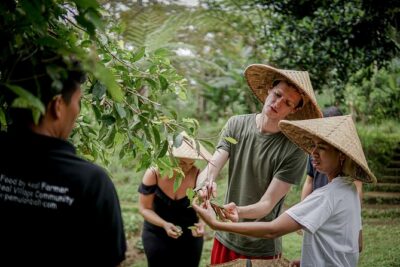
Learn to cook Indonesian food at Gili Cooking Classes Trawangan
Read our review →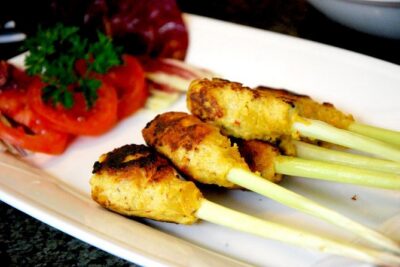
Browse the lists this tour appears in