
Reviewed · RICE TERRACE TOURS
Bali Spiritual: Balinese Healing, Temple & Rice Terrace
Bali’s spiritual side is more than temple photos, and this private day puts you inside several living traditions. You begin with Melukat, a sacred water-cleansing ritual, then visit a local healer for massage and spiritual treatment before moving through temples, craft villages, and rice fields.
I like the private format, since your group can move at its own pace and ask direct questions. I also like the mix of quiet ceremony and ordinary village life: silver work in Celuk, carving in Mas, a Balinese lunch, and the famous Tegalalang rice terraces.
The main consideration is the long, full schedule. You may spend much of the day in the car, and the healing rituals are personal rather than sightseeing activities. Also confirm the first temple before booking, since the description names Mengening Holy Water Temple while the stop list names Tirta Empul.
Key points to know before booking
- Melukat water cleansing: Bring a change of clothes and a towel, since you may get wet during the purification.
- Private day with Dewa: Hotel pickup and return transport are included, and only your group takes part.
- Healing with Aji: The treatment is described as a gentle massage followed by spiritual healing in a holy room.
- Culture beyond temples: Celuk silver work and Mas wood carving show working village traditions rather than only ceremonial sites.
- Full-day value: At $60 per person, the price covers transport, guide, entrance fees, ceremony materials, sarong, offerings, and bottled water, but not lunch.
- Temple details matter: Modest clothing is required, and a sarong is provided for the ceremony.
A spiritual day that also shows everyday Bali
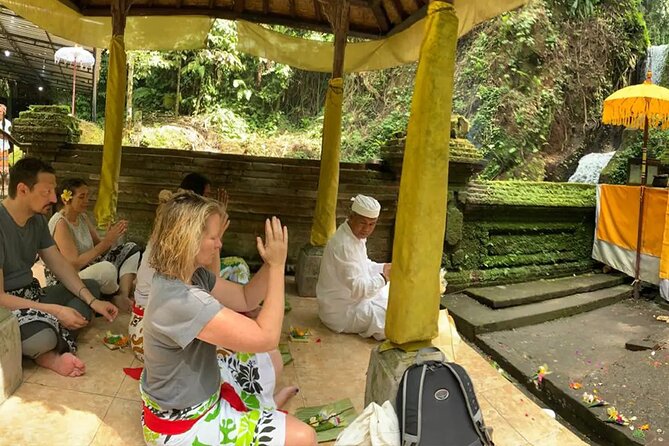
This experience works because it joins several parts of Balinese life in one day. The opening is inward-looking: cleansing, healing, and quiet ritual. The middle turns outward, with temples, artisans, food, and coffee. The final stop gives you the broad rice-field view that many visitors expect from Ubud.
I would not book this as a quick sightseeing circuit. The day runs about eight to ten hours, begins at 8:30 a.m., and includes several stops spread around the Ubud area and nearby villages. It is better suited to you if you want a cultural day with a reflective tone, not just a stack of photo stops.
The private setup is useful in Bali, where traffic can make a fixed schedule feel tight. Your guide can explain what is happening and help with the practical parts of temple visits. Dewa is the guide name connected with this experience, while Aji is identified with the healing session. If the personal side of the day matters to you, confirm who will lead each ritual when you book.
Other temple tours in Seminyak people book:
- Beratan , lake side temple tour , all inclusive
★ 5.0 · 261 reviews - Private Full-Day Tour: Ulun Danu Beratan Temple, Jatiluwih and Tanah Lot Temple
★ 5.0 · 211 reviews - All Inclusive Kecak Dance and Uluwatu Temple Admission Ticket
★ 4.5 · 127 reviews
Melukat at a holy-water temple
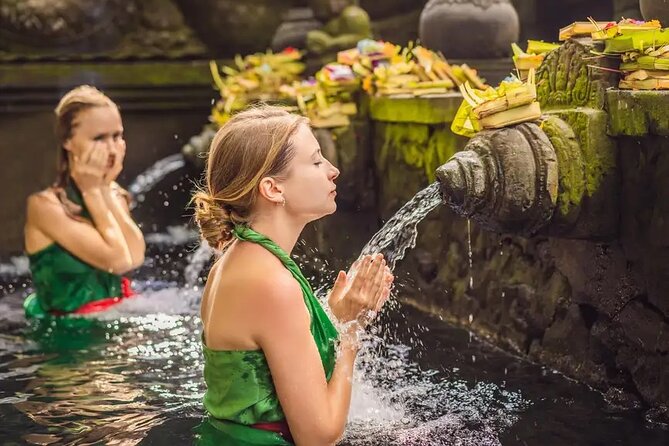
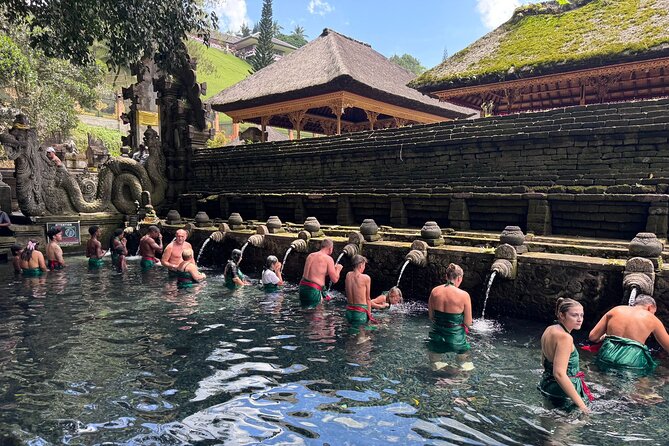
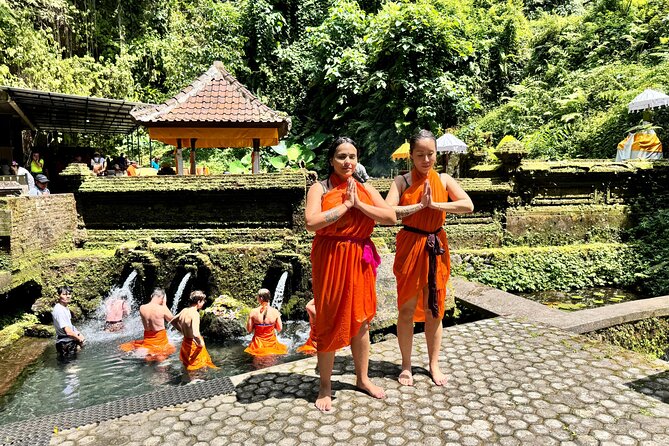
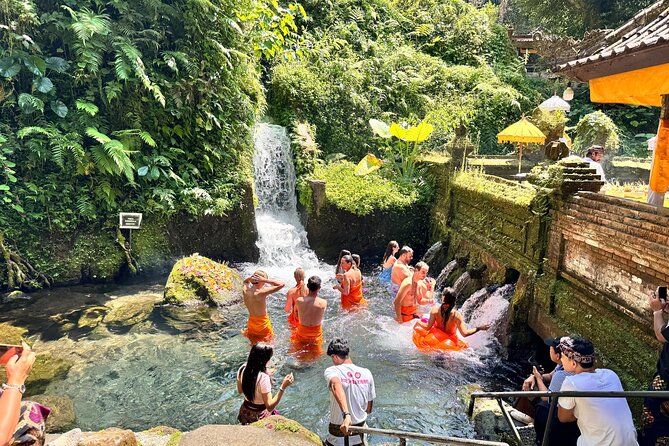
The day begins around Ubud with a traditional cleansing session. The main description places this at Mengening Holy Water Temple, described as peaceful and less crowded, while the itinerary also lists Tirta Empul as a temple stop. These are not the same place, so I would ask the operator to clarify the exact sequence and location before setting out.
Melukat uses sacred spring water to symbolically wash away negative energy and refresh the mind. This is not a spa treatment or a staged performance. It is a Balinese Hindu ritual with its own customs, so you should approach it respectfully and follow your guide’s instructions.
The tour includes a sarong and offerings. You still need modest clothing, and a change of clothes or towel is practical because the purification can leave you wet. Wear something easy to change out of, and avoid treating the ceremony as a costume opportunity.
The quiet setting described at Mengening may appeal to you more than a crowded temple visit. Tirta Empul, if included as the actual first temple, is one of Bali’s better-known holy-water sites and can feel more public and busy. The difference matters: one option suggests a calmer ritual setting, while the other offers a more famous temple experience.
Allow yourself to be present during this part of the day. The value is not in rushing through the water pools or collecting photographs. It is in seeing how purification fits into Balinese religious life, with offerings, clothing, and sacred water all working together.
A local healing session in Batuan
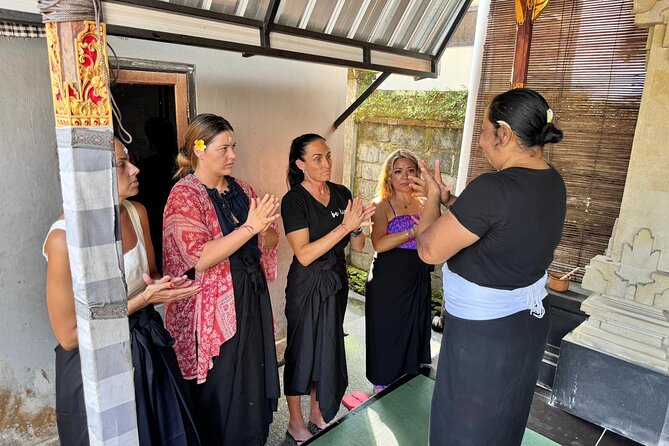
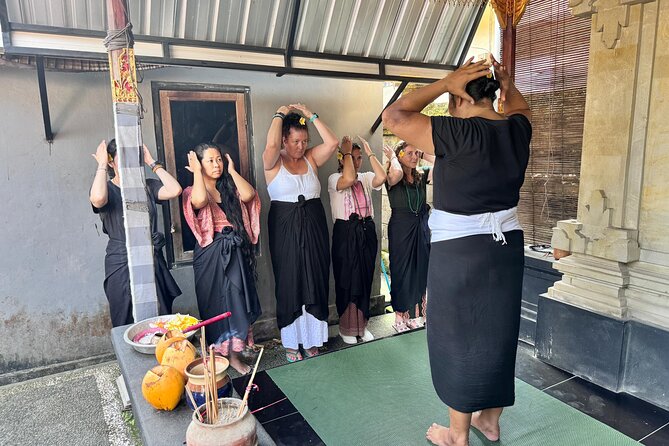
After the cleansing, the experience moves to Batuan Village for traditional healing at a local healer’s home. The session begins with a gentle massage focused on key parts of the body, intended to support circulation and relaxation. It then moves into a spiritual ritual in a holy room.
The physical and spiritual portions are presented as one connected session. That makes this different from a standard massage appointment, but it also means you should know what kind of activity you are choosing. The treatment may feel meaningful if you are open to Balinese spiritual practice. If you prefer a clearly defined wellness treatment with predictable steps, this may feel less familiar.
Aji is named in connection with the healing experience. One account describes palm reading, chakra and aura balancing, trauma healing, purification, and a flower bath, though those details are not listed as guaranteed parts of every booking. Ask what your scheduled session includes, especially if you have mobility, medical, or personal comfort concerns.
Keep your expectations sensible. This is a cultural and spiritual experience, not a substitute for medical care or professional mental-health treatment. You can take part respectfully without accepting every spiritual explanation as your own. A good guide should let you observe, ask questions, and set reasonable boundaries.
The home setting is part of the point. You are not visiting a large wellness center designed for tourists. You are seeing how healing can take place in a local domestic setting, with the sacred room forming part of the experience.
Batuan Temple and the meaning of village temples
Batuan Temple, also called Pura Puseh Desa Batuan, is one of the strongest cultural stops on the route. It is part of the Tri Kahyangan temple system, the three major temples traditionally found in a Balinese village. The architecture includes split gates and carved stone details, so this is a place to slow down and look closely.
A temple visit can be easy to reduce to decorative walls and a few photographs. Here, your guide can help explain the role of the temple within village life. Pay attention to the entrance gates, guardian figures, courtyards, and the way the space is arranged rather than racing straight to the most ornate corner.
You will need modest clothing, and a sarong is provided for the ceremony. Follow local instructions about where to walk and what to touch. Temple etiquette is simple but important: let the ritual space lead the visit, keep your voice down, and let your guide handle questions about photography.
Batuan is also a useful counterpoint to the healing stop. The healer’s home offers a personal setting, while the temple shows the public and communal side of Balinese Hindu practice. Together, they give the day more depth than visiting a temple alone.
Other rice terrace days out of Seminyak:
- Tanah Lot Tour with Ubud Monkey Forest, Rice Terraces, and Waterfalls
★ 5.0 · 273 reviews - Ubud Private Tour: Monkey Forest, Rice Terrace, Temple, Waterfall
★ 5.0 · 96 reviews - Ancient Temples and Jatiluwih Rice Terrace Private Tour
★ 5.0 · 73 reviews - Ubud Full-Day Private Tour: Waterfall, Temple, Rice Terrace.
★ 5.0 · 64 reviews
Craft villages: silver in Celuk and carving in Mas
The craft stops give you a look at skills that are still tied to village economies. In Celuk, you visit a silver workshop and see how handcrafted jewelry is made using traditional methods. The scheduled visit is about 30 minutes, so expect a compact demonstration rather than a long class.
If you like jewelry, this can be a good place to understand the work behind a finished piece. It is also a buying stop, so decide in advance how you feel about shopping. You can look, ask about the process, and buy only if something genuinely appeals to you. A tour that includes workshops may bring sales pressure, even when the cultural explanation is worthwhile.
The Mas Carving Center gives you a longer hour to watch local artisans work with wood. Carving is one of Bali’s familiar art forms, but seeing the tools, hand movements, and partially finished pieces makes the skill easier to appreciate than a display of finished souvenirs.
The wider craft program may also include painting and batik. Those are named as part of the traditional art village portion, though the listed stops focus specifically on silver and wood carving. Confirm the exact workshops if one particular art form is important to you.
These visits are not the quietest parts of the day. They add commercial energy after the more personal morning rituals. I see them as useful when you want to understand how Balinese art reaches homes, galleries, and shops, but less useful if you want a day with no shopping at all.
Coffee, tea, and the practical lunch stop
The route includes a short break at a coffee plantation for coffee and tea tasting. This gives you a pause between temples and craft villages, and it lets you sample local drinks without making the stop the main event.
The lunch stop is listed as Warung Dewa Malen, a local Balinese restaurant, with about an hour set aside. Lunch is not included in the price, so budget separately for your meal. That is a small but important point when comparing the $60 cost with other full-day tours.
A warung is generally a more local-style place than a formal hotel restaurant, which suits the tone of this outing. You can expect a chance to try Balinese food in a simple setting, but the exact menu and price are not specified. If you have dietary restrictions, ask the guide or restaurant staff before ordering.
The coffee tasting and lunch also help break up the emotional weight of the morning. A full day of ritual and temple etiquette can be tiring, and a regular meal is welcome. Do not skip food just to keep to the schedule.
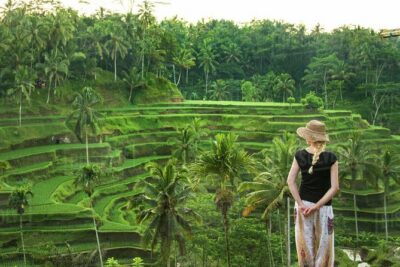
Tegalalang Rice Terrace, the scenic finish
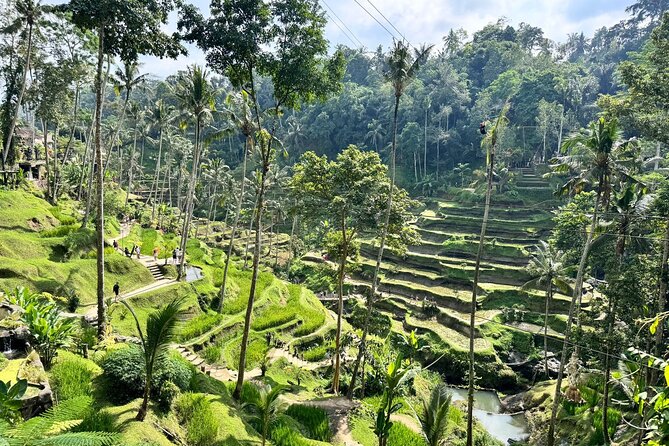
The final major stop is Tegalalang Rice Terrace, one of Bali’s best-known scenic areas. The official timing lists only six minutes, which is clearly too short for a meaningful walk, so treat that figure as a scheduling error or a very brief stop and confirm the actual time with the operator.
At minimum, you should have a chance to see the layered rice paddies and take in the view. If you want to walk down into the terraces, ask before the day begins. The terrain can be uneven, and the listed duration may not allow a proper walk.
Tegalalang is a strong final stop because it shifts the mood again. After the inward focus of Melukat and healing, and the close-up work of the craft villages, you finish with open views and agricultural scenery. The rice terraces are not just a pretty backdrop. They reflect the importance of farming and the irrigation traditions that shape much of Bali’s rural life.
The stop may feel brief if you are hoping for a long photo session. That is one of the clearest tradeoffs in a packed itinerary. You gain variety, but each place gets less time.
What the $60 price really covers
At $60 per person, this is a strong value for a private full-day experience if the listed inclusions match your booking. The price covers a professional guide, hotel pickup and drop-off, entrance fees, healing materials, a ceremony sarong, offerings, and bottled water.
Private transport is the biggest practical benefit. You are not sharing the day with a large coach group, and only your own party takes part. For two or more people, the price becomes easier to justify because the same vehicle and guide support your group rather than a broad mixed schedule.
Lunch, personal purchases, and tips are extra. Workshop visits may tempt you to buy jewelry, carvings, paintings, or batik, so set a spending limit before you leave. Group discounts may be available, but the exact terms are not provided.
The price is less attractive if you want only one temple and a long wellness session. It becomes more appealing if you want transport, several cultural stops, and a guide to connect the pieces in one day.
Timing, clothing, and what to pack
Pickup begins at 8:30 a.m., and the full experience takes about eight to ten hours. Hotel pickup and return transport are included, but the information does not specify every pickup zone, so confirm that your Seminyak accommodation is covered.
Bring:
- A change of clothes
- A towel
- Modest clothing
- Money for lunch and personal purchases
- A phone or camera, used respectfully at temples
Most people can participate, according to the activity details. Still, the day includes a wet purification, a massage, temple walking, and several vehicle transfers. Tell the provider ahead of time about any physical limitations or concerns related to the healing session.
Free cancellation is available if you cancel at least 24 hours before the start time. Cancellations inside that window are not refunded, and changes are not accepted within 24 hours.
Who should book this Bali spiritual tour
I would recommend this experience to you if you want more than a standard Ubud sightseeing day. It suits couples, families with older children, and small groups who like private guiding and are comfortable approaching religious traditions with respect.
It is especially useful if you want a first introduction to Balinese healing, temple customs, village crafts, and rice terraces without arranging several separate outings. The guide can handle the route while you focus on the experience.
I would hesitate if you dislike shopping stops, prefer a slow schedule, or want a spa-style treatment with a clearly fixed menu. I would also ask more questions if the spiritual healing element feels sensitive to you. The morning is personal, and you should book only if you are comfortable taking part in or respectfully observing ritual practice.
Should you book it?
Book this tour if you want a private, full-day look at Bali’s spiritual and cultural life, with the convenience of transport and a guide. Its best features are the Melukat cleansing, the local healing session, Batuan Temple, and the chance to see artisans at work.
Before paying, confirm two details: whether the water ritual takes place at Mengening or Tirta Empul, and how much time is actually allowed at Tegalalang Rice Terrace. If those details suit you, $60 is a fair price for a day that combines ceremony, village life, scenery, and practical transport in one package.
FAQ
What time does the tour start?
The scheduled start time is 8:30 a.m.
How long does the experience last?
The full experience takes approximately eight to ten hours.
Is hotel pickup included?
Yes. Hotel pickup and drop-off are included.
Is this a private tour?
Yes. Only your group participates in the private activity.
What should I bring for the purification ceremony?
Bring a change of clothes and a towel because you may get wet. Modest clothing is required, and a sarong is provided.
Is lunch included?
No. Lunch is not included. The route includes a stop at Warung Dewa Malen, and you should pay for your own meal.
More temple tours in Seminyak
- Half Day Tanah Lot Temple Private Guided Tour
★ 5.0 · 126 reviews - Tanah Lot Temple, Waterfall & Ubud Tour (Private & All-Inclusive)
★ 5.0 · 91 reviews - CRETYA Ubud infinity Pool + Hidden Water fall + Water Temple Tour
★ 5.0 · 88 reviews - Tukad Cepung Besakih Lempuyang Temple Best of East Bali Tour
★ 5.0 · 63 reviews
Just added in Seminyak
- Ubud Village Sightseeing, Famous Paddy Field And Ubud Waterfall★ 5.0 · 4 reviews
- Bali Sekumpul with Fiji Waterfall & Bedugul Temple (Private Tour)★ 5.0 · 29 reviews
- Private Nusa Penida Snorkeling Tour★ 5.0 · 30 reviews
- Bali Private Car Charter with English Speaking Driver★ 5.0 · 54 reviews
- Private Half-Day Tour: Tanah Lot Sunset Trip Packages★ 4.5 · 11 reviews
- Bali Ngurah Rai International Airport Pickup to Ubud Area★ 5.0 · 12 reviews
- Bali Tour: The Best Way to Explore The Highlight of Bali★ 5.0 · 16 reviews
- Mount Batur Sunrise Trekking & Hot Spring Tour★ 5.0 · 54 reviews
Rice Terrace Tours, compared.
Monkey Forest, Jungle Swing, Rice Terrace, and Water Temple
Read our review →
Full-Day Tour to Water Temples and UNESCO Rice Terraces in Bali
Read our review →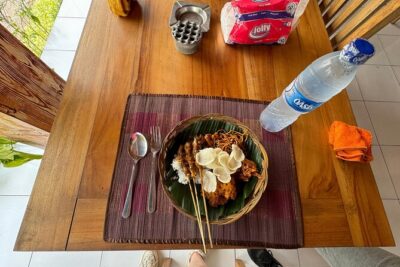
Downhill Cycling with Volcano, Rice Terraces and Meal
Read our review →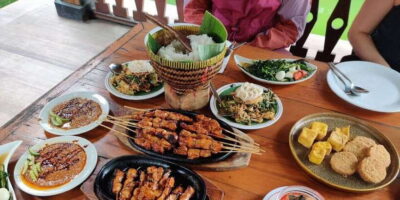
Volcano, Tea/Rice Fields, Hot Spring, Local Food
Read our review →
Active Volcano, Rice Field, Hot Spring, Fruit market, Tea Plantation with Lunch
Read our review →
Ubud Top Attractions: Waterfalls, Temples and Rice Terraces
Read our review →
Tetebatu Walking Tour – Rice Terraces, Waterfall & Monkey Forest
Read our review →Browse the lists this tour appears in