
Reviewed · CYCLING & DOWNHILL BIKE TOURS
Authentic Yogya Bicycle Tour
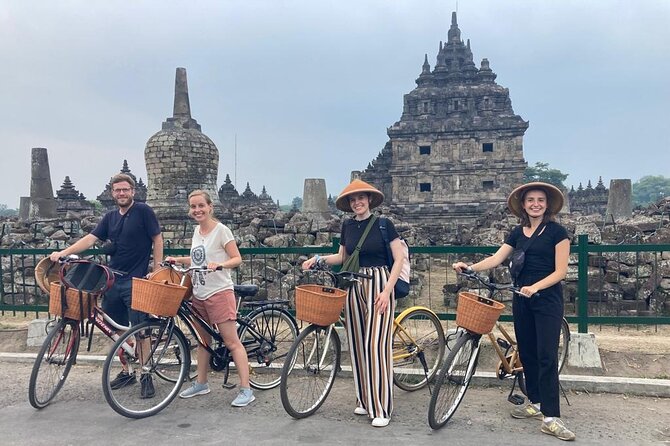
Prambanan’s temple towers are only the beginning here. You pedal beyond the main complex through rice fields and small villages, then stop at local homes to see emping chips, tofu, soy milk, and honey made in everyday settings. The village route gives you a much closer look at life around the monuments.
I like the flat two-hour ride, which keeps the outing active without turning it into a major athletic test. I also like the friendly, practical hosting: cold water and snacks may greet you, bikes are supplied, and guides such as Alga help explain local food, music, farming, and village life in good English.
The main thing to watch is the weather. Rain can interrupt the ride, and the tour is not ideal if you want a long, intense cycling workout or a full temple visit with admission included. Plaosan’s entrance ticket costs extra, and the ride begins outside the Prambanan complex.
Key points to know before you book
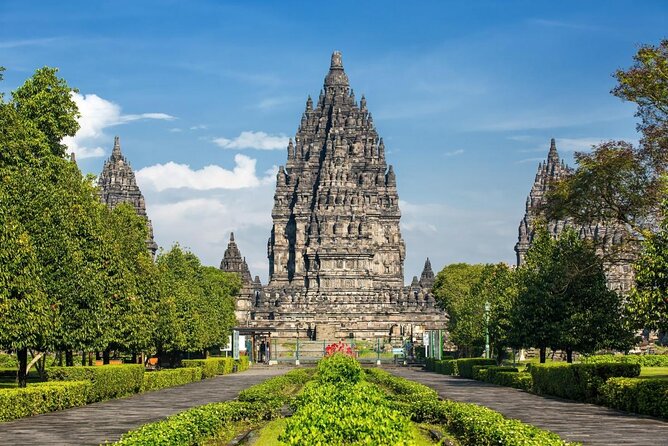
- Cycle beside Prambanan: The route begins near the famous temple complex, then moves onto quiet, flat roads through rice fields and villages.
- Visit Plaosan Temple: This smaller temple stop brings Hindu and Buddhist traditions together, with time for photographs and an optional entrance visit.
- See local food production: You may watch emping chips and tofu being made, with fresh tofu or soy milk available to taste if the timing is right.
- Try pure local honey: A stop at stingless-bee hives introduces a small bee species and its prized honey.
- Meet village hosts: Local homes, bamboo music, snacks, and practical demonstrations make this more than a sightseeing ride.
- Plan for rain: A rain coat is supplied, but poor weather can lead to a new date or a full refund rather than a normal ride.
Why this Prambanan bike ride feels different
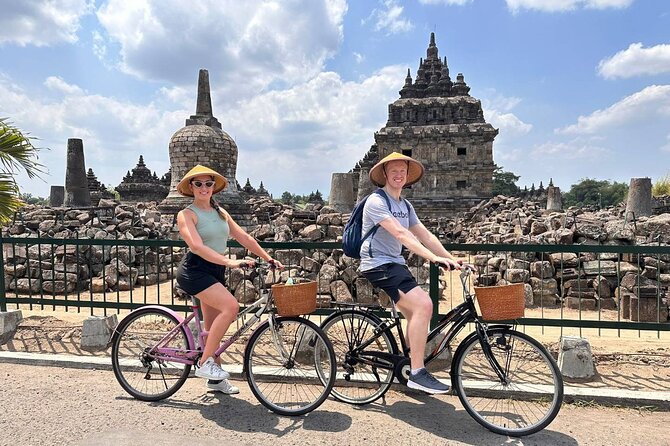
Many visitors see Prambanan by car, walk through the temple grounds, take photographs, and move on. This tour takes a slower route around the monument, where the temples are part of a working rural area rather than an isolated archaeological site.
You start near Prambanan Temple in the Prambanan area, northeast of Yogyakarta city. The cycling begins outside the temple complex, so you are not immediately paying for or entering the main attraction. Instead, you get on a bike and follow a flat route through fields and village lanes.
That choice matters. The ride connects the famous stone monuments with the people, food, crops, and small businesses around them. You can see why the area is more than a stop on a temple circuit.
The experience is also small-scale in spirit, even though the stated maximum is 30 people. It is best understood as a social group outing rather than a private ride. Several start times are offered, which helps if you are fitting it around a temple visit or other Yogyakarta plans.
The tour lasts about two hours. That is enough time for several stops without taking up a whole morning or afternoon, though the exact pace will depend on the group, weather, and time spent at local homes.
Other cycling tours in Yogyakarta people book:
- Menoreh Village Cycling
★ 5.0 · 611 reviews - Kotagede Royal Route – Cycling Tour
★ 5.0 · 207 reviews - Jogja Hidden Gems – Cycling Tour
★ 5.0 · 158 reviews
Starting beside the Prambanan complex
The meeting point is at Prambanan Temple on Jalan Raya Solo to Yogyakarta. The activity returns to this same meeting point, so you do not need to arrange a separate pickup at the end.
The bikes and necessary equipment are provided. Bottled water, coffee or tea, and a rain coat are included, along with the local guide and taxes. One useful practical detail is the direct communication often offered after booking, including a WhatsApp contact in at least one booking experience. Use that channel to confirm the meeting details and clarify the start time.
You should arrive ready for outdoor activity. The tour requires a moderate level of physical fitness, but the route is described as flat. You are not signing up for a mountain ride or a long-distance road challenge.
The supplied bikes have been described as being in good condition, which is important on narrow rural roads. Still, if you have concerns about bike fit, ask the operator at the start before setting off. A comfortable saddle and properly adjusted handlebars make a noticeable difference, even on a short ride.
Plaosan Temple and the first photographs
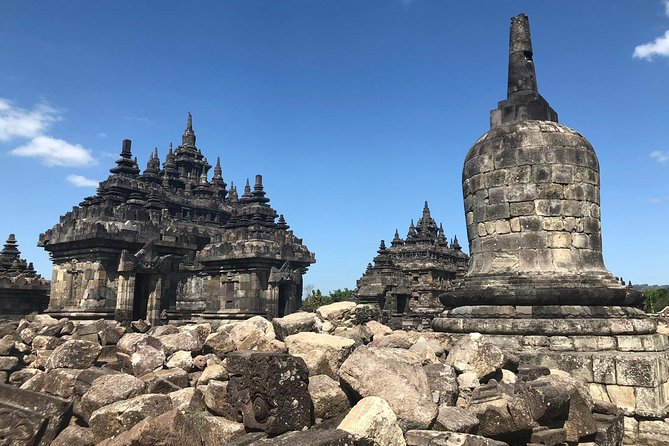
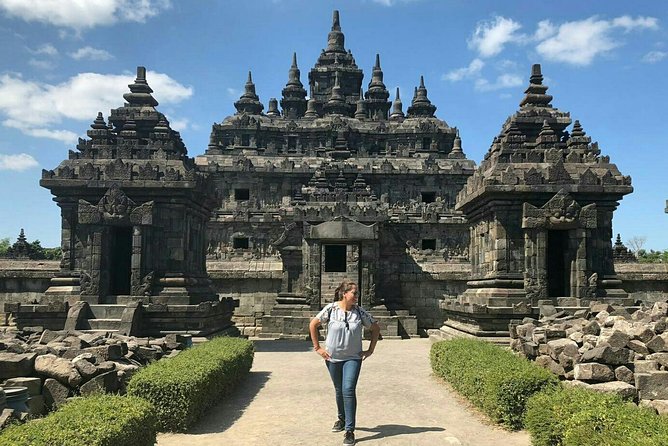
Plaosan Temple is the first named stop. It is a useful contrast to the better-known Prambanan complex because it brings Hindu and Buddhist elements together in one place.
The tour enjoys the view from outside, so you can photograph the temple without treating the stop as a full archaeological visit. If you want to go in, entry is possible, but the ticket is not included in the tour price. Keep some extra cash available if you decide to enter.
This is one of the tour’s strongest photo stops. The ride gets you away from a standard temple entrance routine and places the monument within the surrounding fields and village setting. You have time to look around, but the visit is not designed as a long guided examination of every carving.
If Prambanan is your main priority, remember the distinction. The bike route begins north of the Prambanan Temple complex and cycles around the area. Plaosan is specifically listed as a stop. The tour does not promise that the main Prambanan admission is included, so plan a separate temple visit if you want to explore the main grounds.
That arrangement can work well. You might cycle first, return to the meeting point, and then visit Prambanan on foot, depending on your chosen time and the operator’s schedule. Confirm the timing before you book if you want to combine both activities.
Rice fields, village roads, and ordinary Java
The cycling between stops is the heart of the experience. The route passes rice fields, little villages, and quiet rural stretches rather than major city streets.
You will not spend the whole two hours staring at monuments. That is the point. The open fields and village lanes give you a more grounded view of the Prambanan area, with the temples serving as one part of the setting.
I would choose this tour if you enjoy seeing how a place works day to day. You may pass small homes, local agriculture, and family-run production spaces. The guides also explain the area, its culture, and its history as you go.
The ride is active but manageable for someone with moderate fitness. You should still be comfortable sitting on a bicycle, riding outdoors, and keeping pace with a group. The experience is less suitable if cycling is difficult for you or if you expect a fully private pace.
There is a useful balance between movement and stopping. You ride for a while, pause for a demonstration or photograph, then continue. That keeps the outing from becoming either a rushed sightseeing loop or a long, repetitive bike ride.
Other rides on two wheels around Yogyakarta:
- Electric Cycling Tour of Ubud with Free Hotel Transfer and Lunch
★ 5.0 · 1,397 reviews - Ubud: Downhill Cycling with Volcano, Rice Terraces and Meal
★ 5.0 · 536 reviews - Half-Day Ubud Electric Cycling Tour to Tirta Empul Water Temple
★ 5.0 · 315 reviews - Kintamani Cultural and Nature Cycling Tour ( Manual Bike )
★ 5.0 · 257 reviews
Making emping chips at a local home
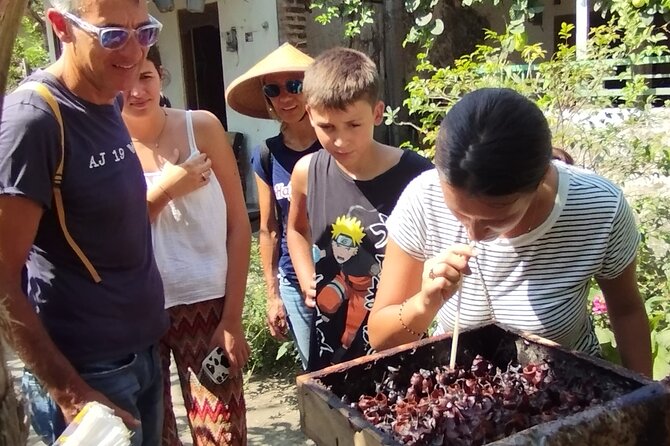
One of the most personal stops is at a home industry where you learn about emping chips. Emping is a classic Indonesian snack, and the visit shows how a familiar food is produced on a small local scale.
This kind of stop is valuable because you are not simply handed a snack at a restaurant. You see the work behind it and meet people involved in making food for their community or business. The setting also gives you a chance to ask questions through your guide.
The tour description includes a lesson in the traditional way of making the chips. You may also find music played on a traditional bamboo instrument, adding another local touch to the visit.
The pace here may feel informal. That is part of the appeal, but you should not expect a polished cooking class with a fixed recipe, printed instructions, or a long hands-on workshop. It is a short cultural stop within a cycling tour.
If food production and local contact are high on your list, this is likely to be one of the most memorable sections. It gives the ride a purpose beyond exercise and photographs.
Tofu, soy milk, and the chance to taste fresh food
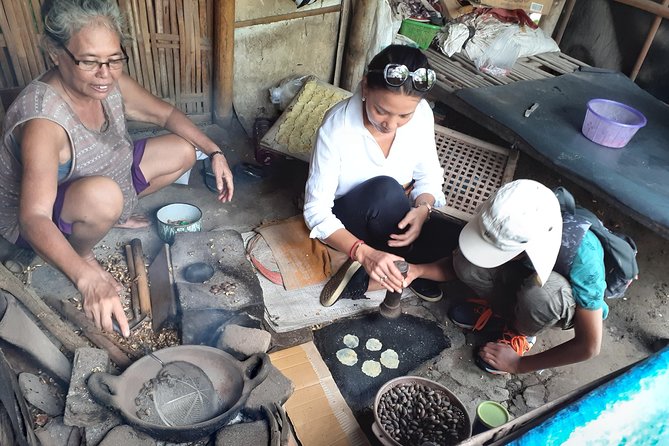
The next visit focuses on tofu production. You see another small local business and learn how soy-based food is made.
Fresh tofu and soy milk may be available to taste if the timing works. The wording matters here: tasting is possible, not guaranteed. Production schedules and supplies can change, so treat it as a welcome extra rather than a promised meal.
This stop also helps explain the value of the price. At $22 per person, you are paying for more than bicycle use. The cost includes a guide, equipment, water, taxes, and access to several local experiences that would be hard to arrange independently during a short stay.
You should not think of the tour as a food tour with a full lunch. The food stops are brief demonstrations and tastings. If you need a proper meal, plan one before or after the ride.
The tofu workshop also adds variety. After temples and fields, you see a practical part of local food culture. It keeps the itinerary moving and gives you a better sense of daily life around Prambanan.
Stingless bees and local honey
The final major stop visits stingless-bee keeping. These small bees produce good-quality honey, and you may taste the pure honey at the site.
This is a neat closing stop because it shifts attention from prepared food to a small form of local agriculture. You learn about the bees and the honey production rather than simply buying a jar in a shop.
Again, the experience is short and local. Do not expect a large commercial apiary or a technical science presentation. The value comes from meeting a small producer and seeing an unusual activity within the village route.
After the bee stop, you cycle back to the original meeting point. The return ride gives you another look at the fields and lanes, though it is not a separate sightseeing section with new listed stops.
What the $22 price really covers
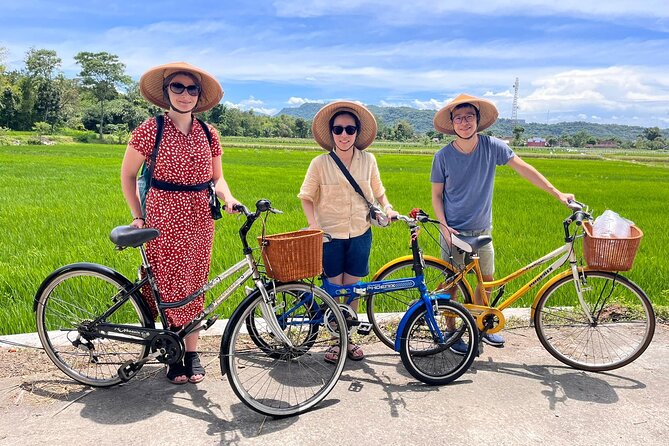
At $22, this is a strong value if you want several kinds of activity in one short outing. The price includes the bicycle, guide, bottled water, coffee or tea, rain coat, and all fees and taxes listed for the tour.
It also covers the local visits and demonstrations. You are getting a mix of sport, heritage, culture, nature, and village life without arranging separate transport between each stop.
The price does not include the Plaosan Temple ticket. That is a small but important extra. The listing also does not promise meals, so budget for food beyond any snacks or tastings offered during the route.
Compared with hiring transport just to move between Prambanan and Plaosan, the ride offers more contact with the countryside. Compared with a full-day guided excursion, it is cheaper and easier to fit into a busy schedule.
The tradeoff is that two hours goes quickly. You get a sampler of the area, not a slow, detailed tour of every temple and workshop. If you want extended time at Prambanan, choose a separate temple guide or allow extra time before or after this activity.
Guides, group size, and the practical details
The experience is operated by Alga Lova Tour. The guide team is described as friendly, and English-language communication has been specifically useful for people joining from abroad. Alga is named in the feedback, though individual guide assignment can vary.
The guide’s role matters here. A field or workshop visit can feel awkward without explanation, while a good local host helps you understand what you are seeing and gives the local families a clear place in the experience.
The maximum group size is 30 people. That is not a tiny private tour, so expect some waiting at stops if the group is full. On the other hand, the activity is built around a relaxed group ride, and a larger group can suit solo visitors or anyone who enjoys meeting others.
Several tour times are available. Check the start time carefully, especially if you want to visit Prambanan separately. The meeting and ending point are the same, and public transportation is nearby.
The tour requires good weather. A rain coat is included, and rain has not necessarily ended the experience in the past, since local homes can offer shelter and extra time for food stops. Still, the operator may cancel in poor weather and offer another date or a full refund.
Free cancellation is available up to 24 hours before the start time. Within 24 hours, changes and refunds are not accepted unless the operator cancels because of weather.
Who should book this ride?
I would recommend it to you if you want an active way to see the Prambanan area and prefer local encounters to a simple monument visit. It suits couples, friends, families with older children, and solo visitors who like a guided group activity.
It is especially good for anyone interested in food production, rural life, and photographs of rice fields. The route gives you more cultural contact than a standard temple transfer.
You may want another option if you dislike bicycles, need a very slow or private schedule, or want detailed temple archaeology. It is also not the best choice if you have only a narrow window and cannot tolerate a weather-related change.
Pack sun protection and comfortable clothing, even though only the listed equipment is guaranteed. Keep money available for Plaosan admission, and do not count on the possible tofu, soy milk, or honey tasting as a full meal.
Should you book the Authentic Yogya Bicycle Tour?
Book it if you want Prambanan paired with a real look at the villages around it. The strongest parts are the flat countryside ride, Plaosan’s Hindu-Buddhist setting, and the visits to emping, tofu, and stingless-bee producers.
Skip it if your main goal is a long temple tour or a private cycling adventure. For $22, the experience offers a lot of variety in two hours, but it works as a compact introduction, not a complete exploration of Yogyakarta.
FAQ
Where does the bicycle tour begin and end?
The tour begins at Prambanan Temple on Jalan Raya Solo to Yogyakarta, in the Prambanan area northeast of Yogyakarta city. It ends back at the same meeting point.
How long does the Authentic Yogya Bicycle Tour last?
The activity lasts approximately two hours.
Is the Prambanan Temple entrance ticket included?
The tour begins outside the Prambanan Temple complex. The listed inclusions do not include a Prambanan admission ticket, and the Plaosan Temple ticket is specifically excluded.
What is included in the tour price?
The $22 price includes the bicycle equipment, local guide, bottled water, coffee or tea, rain coat, and all listed fees and taxes.
What happens if it rains?
The tour requires good weather. A rain coat is provided, but if the operator cancels because of poor weather, you can choose another date or receive a full refund.
What fitness level is required?
You should have a moderate level of physical fitness and be comfortable cycling for about two hours on a generally flat route through fields and villages.
Just added in Yogyakarta
- Chicken Church Local Attraction Near Of Borobudur Temple★ 3.5 · 18 reviews
- Chicken Church at Karangrejo Village Admission Ticket★ 4.5 · 3 reviews
- Private Borobudur Village Trip By Volkswagen Safari★ 5.0 · 3 reviews
- Borobudur Temple Combined Ticket Admissions★ 5.0 · 7 reviews
- Borobudur Private Tour From Semarang Port★ 4.5 · 12 reviews
- Yogyakarta: Borobudur Temple Climb Up and Prambanan Temple Tour★ 5.0 · 53 reviews
- Borobudur: Pottery Making Workshop★ 5.0 · 5 reviews
- Temples and Bike Tours in the Village★ 5.0 · 24 reviews
Cycling & Downhill Bike Tours, compared.
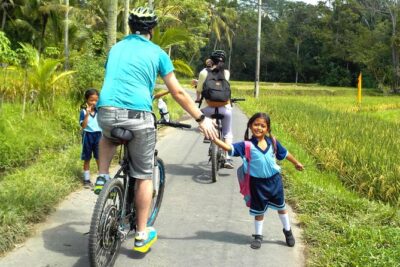
Electric Cycling Tour of Ubud with Free Hotel Transfer and Lunch
Read our review →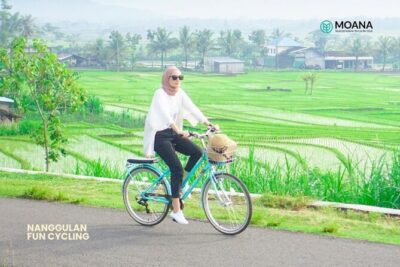
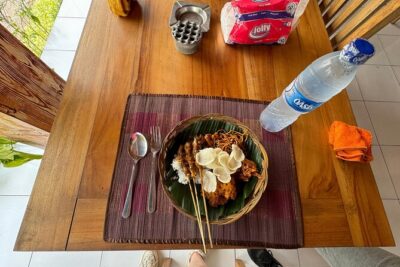
Downhill Cycling with Volcano, Rice Terraces and Meal
Read our review →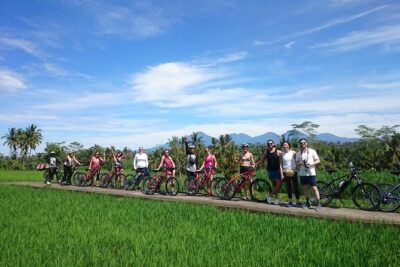
Half-Day Ubud Electric Cycling Tour to Tirta Empul Water Temple
Read our review →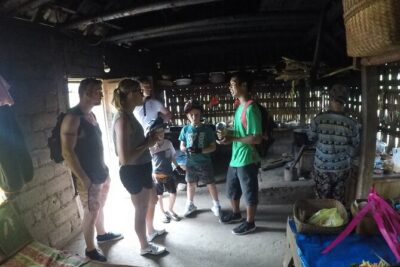
Kintamani Cultural and Nature Cycling Tour ( Manual Bike )
Read our review →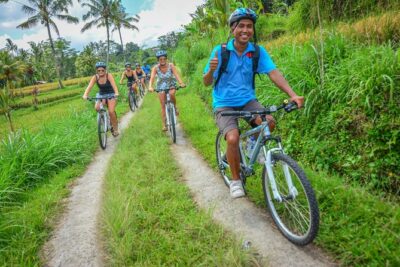
Browse the lists this tour appears in