
Reviewed · COOKING CLASSES
Bali Cooking Class with Culture Experience
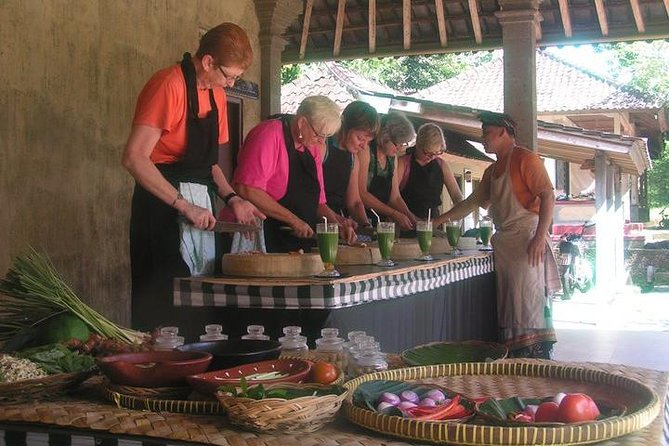
The best part of this Ubud experience is the shift from morning market to a real Balinese family compound. You are not simply handed a recipe and told to chop. You see the herbs, spices, fruit, and vegetables being chosen, then learn how they fit into everyday Balinese food and home life.
I like two things in particular: the small maximum group of 12, which keeps the class personal, and the generous format. You get a hot drink and banana fritters, a full cooked lunch, cultural conversation, and an illustrated recipe booklet. The warm welcome from Dewa and the Lobong family is a major part of the experience.
The main consideration is the early start and six-hour length. Meeting at 7:30 am gives you the best market atmosphere, but it may be a stretch after a late night in Ubud. The menu is described by course rather than by exact dish, so ask about the day’s recipes if specific foods matter to you.
Key points to know before booking
- The morning begins at a local market: You see the fresh ingredients before cooking with them.
- Dewa welcomes you at the family compound: Coffee, tea, mineral water, and fresh banana fritters begin the home visit.
- The class covers a full Balinese menu: Expect an appetizer, several main dishes, side dishes, and dessert.
- You eat what you prepare: Lunch is served after the cooking work, followed by dessert.
- The recipe booklet travels home with you: It includes photos, directions, tips, and space for notes.
- The group is capped at 12 people: Central Ubud hotel pickup is offered, and the full experience lasts about six hours.
From Ubud market to Balinese kitchen
This class works because it starts with ingredients, not a lecture. At about 7:30 am, you begin at a local market with your Family Host, who explains the herbs, spices, fruits, and vegetables used during the class.
That first stop gives the food some context. Instead of seeing a prepared bowl of seasoning at the cooking pavilion, you can connect the finished dish with the raw ingredients. You will hear how local produce fits into Balinese cooking and get a closer look at the shopping habits behind the meal.
The market visit is also the most time-sensitive part of the day. Morning is when the class makes sense, since the experience is built around a typical morning market. If you prefer a slow start, this early meeting time is the one drawback to weigh before booking.
You may also have the chance to try fruit that is difficult to find in the United States. The experience is not limited to cooking instructions. Smelling herbs, discussing spices, and seeing unfamiliar produce can make the later kitchen work easier to understand.
More cooking in Ubud:
- Ubud Cooking Class Bali with Balinese Chef
★ 5.0 · 1,609 reviews - PRIVATE Authentic Balinese Cooking Class in Ubud at Putu’s Home
★ 5.0 · 644 reviews - Balinese Ubud cooking school (9 Dish Cooking and Market Tour)
★ 5.0 · 540 reviews
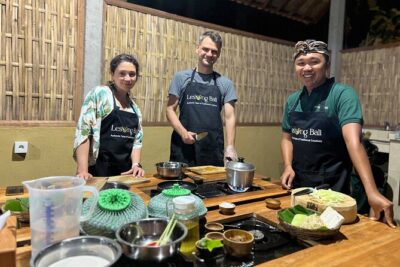
A family compound, not a hotel demonstration kitchen
After the market, you continue to the Lobong family home. Here, Dewa welcomes you with coffee, tea, or mineral water and his fresh, crisp banana fritters, known as Pisang Goreng.
This small snack matters more than it might seem. You get a pause after the market, something warm to drink, and time to settle into the home before the cooking begins. The banana fritters also give you an early taste of the kind of simple, freshly made food that defines the day.
While you eat, the conversation turns to Balinese life. You learn about families, home shrines, and local culture. The setting adds something that a standard cooking studio cannot. You are learning food in a household setting, with the home compound itself providing part of the lesson.
The atmosphere is described as a beautiful Balinese home, and a ritual of gratitude may close the meal. That cultural element is a useful reason to choose this class over a session focused only on technique. You are not simply copying food. You are being introduced to how food, family, home, and gratitude connect in Balinese life.
Keep your expectations grounded, though. This is a short cultural introduction during a cooking day, not a full academic study of Balinese religion or society. Its value comes from the setting and personal welcome rather than from a long formal talk.
The cooking pavilion and the full menu
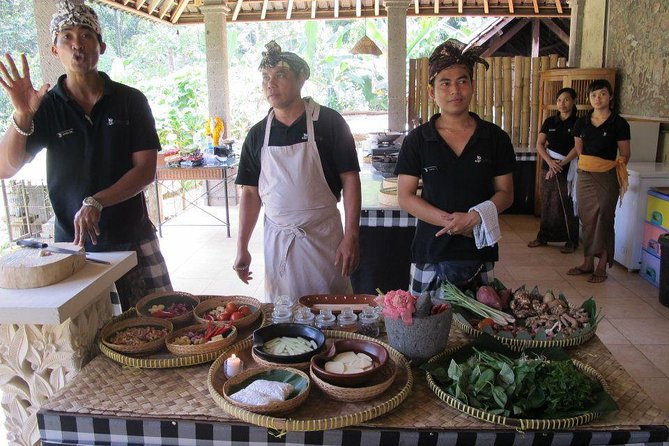
Once the pavilion is ready, you receive an illustrated recipe booklet. It includes the menu, directions, photographs, cooking tips, and room for your own notes.
I like this practical touch. A cooking class can be a fine holiday memory that disappears once you get home. Clear instructions and photographs give you a better chance of making the food again. The booklet is especially useful if you do not cook Balinese food often and need reminders about preparation order or unfamiliar ingredients.
The class covers a complete meal. You prepare an appetizer, several traditional main dishes, accompanying side dishes, and dessert. The exact menu is not specified in the available details, so you should not book this class expecting a particular dish unless the provider confirms it before your visit.
The broad menu also means the day is about more than one signature recipe. You get a feel for how a Balinese meal is put together, with different courses and supporting dishes working as a whole. That is a better fit for you if you want a general introduction to Balinese home cooking rather than a single focused lesson.
The instructions are intended to be manageable at home. The experience promises that you will be able to repeat the meal for family and friends, using the booklet and your notes. Still, home kitchens vary, and local ingredients may not be easy to find everywhere. The booklet helps, but your results may depend on what is available where you live.
Why the market visit improves the cooking lesson
A market stop can sometimes feel like an extra photo opportunity added to a tour. Here, it has a clear job. It introduces the ingredients before you work with them.
You will learn about fresh herbs and spices at the point where they are being bought. That makes the later preparation more concrete. You can ask what an ingredient is, smell it, and connect it to the dish rather than meeting it only after it has been chopped and mixed.
The fruit and vegetables also show how much of the class depends on fresh food. One of the strongest impressions from the experience is the freshness of the ingredients and the healthy quality of the meal. That does not mean every dish will suit every diet, and no dietary details are supplied, so you should raise food concerns directly when booking.
The market also gives the day a clear rhythm. You start with shopping, move to the family home, cook, and then eat. It feels closer to being shown how a household meal comes together than to attending a detached cooking performance.
Same base, a different sort of day:
- All-Inclusive Ubud Private Tour
★ 5.0 · 14,344 reviews - Best of Ubud Full-Day Tour with Jungle Swing
★ 5.0 · 8,571 reviews - Ubud: Monkey Forest, Jungle Swing, Rice Terrace, and Water Temple
★ 5.0 · 7,160 reviews - Best of Ubud 1-Day Private Tour
★ 5.0 · 4,451 reviews
Lunch is part of the lesson
After preparing the menu, you sit down to eat what you have made. This is the payoff, but it is also the final learning stage.
You can see which techniques worked, taste how the herbs and spices combine, and understand the meal as a finished whole. It is one thing to prepare ingredients at separate stations. It is another to sit down with the appetizer, main dishes, sides, and dessert together.
The meal is described as delicious and traditional, with dessert included at the end. A ritual of gratitude may also be part of the closing. That gives the experience a thoughtful finish instead of ending when the last pan comes off the heat.
Do not expect restaurant service. The appeal is that you helped make lunch in a family setting. If you prefer a polished food tour with no hands-on work, this may feel too involved. If you like knowing how a dish was made and sharing the meal afterward, the format makes good sense.
What the six-hour schedule means for your day
The full experience lasts about six hours, beginning at 7:30 am. With pickup offered from central Ubud hotels, the morning is easier to manage if you are staying in the main Ubud area.
The early departure is useful because it matches the market visit. It also leaves a good portion of the afternoon open after the class, though the exact end time can vary with transfers and the pace of the group.
A six-hour cooking experience is long enough to feel substantial. You are not rushing through one recipe before being sent away. There is time for the market, the welcome snack, cultural discussion, preparation, lunch, and the recipe handout.
The tradeoff is simple: this is a major morning and early afternoon activity. If you are planning several other fixed activities the same day, allow breathing room. Cooking, eating, and conversation take time, and the class is designed as a complete experience rather than a quick stop.
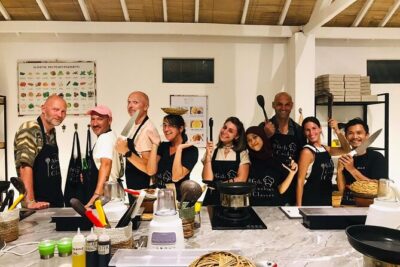
The group maximum is 12 people. That is not a private lesson, but it is small enough to avoid the feel of a large food factory. Your experience will still depend on the final group size and how the cooking stations are arranged, details that are not provided.
The value of $62 in Ubud
At $62, this class costs more than a short cooking demonstration, but you are paying for several parts in one morning. The package includes a local market visit, a family-home setting, a snack, the cooking lesson, a full lunch, dessert, a recipe booklet, and round-trip transfers from central Ubud hotels.
The value is strongest if you want food and culture together. A market walk on its own may last only a short time. A cooking class on its own may not show you where the ingredients come from. This experience links the two and adds a meal you helped prepare.
The recipe booklet improves the long-term value. You are not leaving with only photographs and a pleasant memory. You get written directions, images, tips, and space for notes, which can help you repeat the meal at home.
The price is less compelling if you dislike group activities, have no interest in cooking, or want a highly specific menu. You should also compare the pickup area with your hotel location. Pickup is offered from central Ubud hotels, not automatically from every part of Bali.
Who will enjoy this class most
I would recommend it most to people who want a personal introduction to Balinese food and daily life. It suits couples, families, and small groups who enjoy doing rather than watching.
It is also a good choice for you if you like taking recipes home and trying them after a trip. The booklet and the range of dishes give you more to work with than a single recipe card.
The experience should suit food lovers who are curious about ingredients they may not recognize. The market makes room for questions about herbs, fruit, spices, and vegetables before you start preparing them.
It may be less suitable if you need a late start, dislike visiting markets, or want full control over the menu. The available details do not state how the class handles allergies, vegetarian requirements, or other dietary needs. Ask before booking if those points affect your decision.
Practical details that matter
Pickup is offered, with the experience intended for central Ubud hotel areas. The start time is 7:30 am, and the activity is near public transportation.
Confirmation is sent within 48 hours of booking, subject to availability. The group can include up to 12 people. You can cancel for a full refund if you do so at least 24 hours before the local start time. Cancellations or changes made inside that window are not refunded or accepted.
The activity requires a minimum number of people. If that minimum is not reached and the class is canceled, you will be offered another date or experience, or a full refund.
Those rules are standard but worth noting because the early start affects your plans. Check your pickup details and keep the morning free. A cooking class is much more enjoyable when you are not watching the clock.
Should you book the Lobong Culinary Experience?
Book it if you want a hands-on food experience with a strong home-and-culture setting, not just a restaurant meal or a quick cooking show. The market visit, banana fritters, family compound, Dewa’s welcome, full menu, lunch, and recipe booklet make the $62 price reasonable for a six-hour morning.
I would be cautious only if you need a late start, have strict dietary requirements that have not been confirmed, or want a named dish guaranteed in advance. For most visitors staying in central Ubud, this is a well-rounded way to spend a morning and come away with both a meal and useful recipes.
FAQ
Where does the Bali cooking class take place?
The experience begins at a local morning market and continues at the Lobong family home and cooking pavilion in the Ubud area.
What time does the experience start?
The start time is 7:30 am.
How long does the cooking experience last?
The experience lasts approximately six hours.
Is hotel pickup available?
Yes. Round-trip transfers are offered from central Ubud hotels.
How many people can join the class?
The activity has a maximum of 12 travelers.
What food is included?
You receive a breakfast snack of fresh banana fritters, then prepare and eat a menu with an appetizer, several main dishes, side dishes, and dessert. The exact dishes are not specified.
Can I cancel for a full refund?
Yes. You must cancel at least 24 hours before the local start time for a full refund. Cancellations or changes made less than 24 hours before the start are not accepted or refunded.
Just added in Ubud
- Mount Batur jeep sunrise with breakfast★ 5.0 · 9 reviews
- Mount Batur Sunrise Trekking (Private, Breakfast and Visiting coffee plantation)★ 5.0 · 27 reviews
- Bali Food Tour: Savor Street Food and Night Market Adventures★ 5.0 · 46 reviews
- Trunyan Cemetery, Hot Spring, Penglipuran Village, and Waterfall Tour★ 5.0 · 65 reviews
- Ubud: Monkey Forest, Rice Terraces & Sacred Temples★ 5.0 · 69 reviews
- Bali Iconic Tour with Buffet Lunch and Attraction Tickets★ 5.0 · 66 reviews
- Ubud ATV Quad Bike and Snorkeling at Blue Lagoon Beach★ 5.0 · 64 reviews
- 3 Days for the best of Ubud Private Tour★ 5.0 · 63 reviews
Cooking Classes, compared.
PRIVATE Authentic Balinese Cooking Class in Ubud at Putu’s Home
Read our review →
Balinese Ubud cooking school (9 Dish Cooking and Market Tour)
Read our review →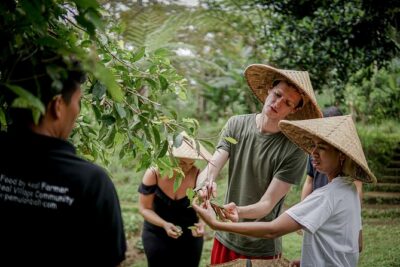
Learn to cook Indonesian food at Gili Cooking Classes Trawangan
Read our review →
Browse the lists this tour appears in