
Reviewed · SILVER & CRAFT WORKSHOPS
Half Day – Malang Batik Class
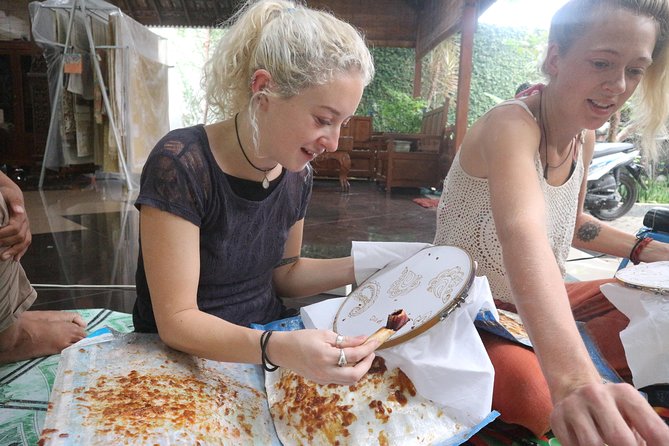
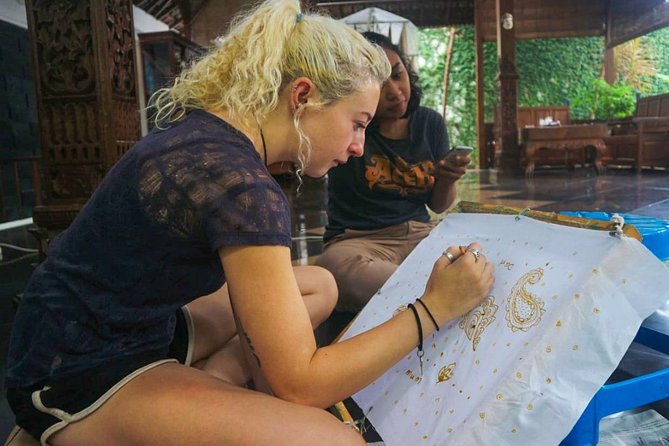
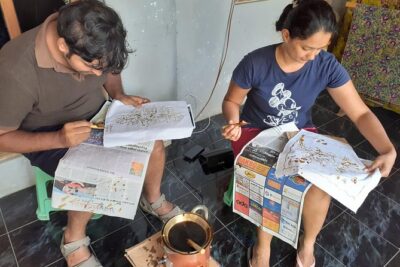
Malang batik is best learned with your hands. In a local artisan home, you sketch a pattern, trace it with hot wax using a traditional canting, then add color with organic ingredients. The process is slow, tactile, and far more revealing than simply buying a finished cloth. The handmade result also gives you a useful souvenir with a story.
I like the direct contact with local women artisans and the fact that you complete the whole process, from first pencil line to dyeing. I also like the private format, hotel pickup, and patient step-by-step help, including assistance for people who do not think of themselves as artists. The main consideration is timing: five hours is a substantial part of your day, and food is not normally included, so confirm any lunch arrangement before you go.
Key points at a glance
- A full batik process: Draw, wax, and dye your own cloth rather than watching a short demonstration.
- A local home setting: The class takes place in an artisan house, with local women sharing their craft and daily work.
- Organic color: The dyeing stage uses organic ingredients and produces earthy tones rather than bright factory colors.
- Private activity: Only your own group participates, which allows more room for questions and personal help.
- Easy transport: Hotel pickup and drop-off, a driver-guide, and bottled water are included.
- Flexible family option: Children can take part when accompanied by an adult, and most people can join.
Why this Malang batik class feels different
Many craft activities reduce the work to one easy step. This one lets you see why batik takes time. You begin with a blank piece of fabric, decide on a design, place wax along the lines, and then watch color change the surface. Each stage affects the next.
Batik is recognized by UNESCO as Intangible Cultural Heritage. That label matters here because the class presents batik as a living skill, not just a decorative product. You are introduced to a working process still practiced by local artisans, including women who produce batik from their homes.
The setting is part of the appeal. Rather than using a large tourist center, the class takes place in a local artisan house. That makes the experience feel personal, though it also means you should expect a working home environment rather than a polished studio with a formal gallery.
Other things to make with your hands in Malang:
- Ubud Silver Class Jewelry making in bali
★ 5.0 · 978 reviews - Crafting Heritage Batik Painting Workshops
★ 5.0 · 164 reviews - Ubud Bali Silver Jewelry Class
★ 5.0 · 163 reviews
Starting with a Malang pattern
The first task is drawing. You can select from available designs at a tracing table, combine elements, or make your own freehand pattern. This is a good point for honest self-assessment. If you can draw, you have room to be creative. If you cannot, the tracing options make the task manageable.
The local Malang patterns give the finished cloth a stronger connection to place. You are not simply decorating fabric with a random shape. You are learning how a regional visual style can be adapted to your own piece.
Take your time here. A complicated pattern may look attractive on the tracing table but become hard to follow once you begin applying wax. A simpler design often produces a cleaner final cloth, especially if this is your first batik class.
The staff can help you decide what will work. Namira has hosted this class and is known for taking time with questions and explanations. Martha has handled local coordination for some bookings, which can be useful if you need help arranging the activity before the day begins.
The canting and the careful wax stage
The most distinctive tool is the canting, a traditional pen-like instrument used to place wax on the fabric. You use it to cover the pattern lines. The wax acts as a barrier, keeping dye from reaching selected parts of the cloth.
This step rewards patience. The work is more precise than simply painting a design, and the wax must follow the lines well enough to separate the areas of color. Your instructor will guide you through the process, but you still control the pace and appearance of the piece.
The class uses organic wax and organic ingredients for the coloring stage. That gives the activity a more traditional, hands-on character. It also means the final colors are likely to feel earthy and subdued rather than highly uniform or synthetic.
You should not expect a factory-perfect cloth. Small irregularities are part of handmade batik, and they show that you made it yourself. For many people, that is the point. The piece becomes a personal keepsake, not just a souvenir purchased from a shop shelf.
Adding earthy color to the fabric
Once the wax work is complete, you move to dyeing. The fabric receives color from organic ingredients, creating earthy shades that complement the drawn pattern. This is the point where the design begins to look finished.
The dyeing stage helps explain the logic of batik. The wax is not just an artistic mark. It controls where color can go. Areas protected by wax retain their original tone or respond differently from the exposed fabric.
The final appearance can surprise you. One class participant described the finished piece as a beautiful result to take home, and that is a fair expectation if you accept that your work may not look exactly like the sample designs. The teachers help you through the tricky parts, so you do not need advanced drawing or craft skills.
The workshop dries the cloth and removes the wax after the main work is done. One family received fabric prepared so it could continue on their journey, which is a useful detail if you have onward travel plans. Still, ask how your piece will be finished and packed on the day, since the exact handling can depend on the workshop schedule.
Same base, a different sort of day:
- 1 Day Amazing Bromo Sunrise tour from Malang Surabaya 7 spots
★ 5.0 · 879 reviews - 3Days – Tumpaksewu Bromo Ijen Adventure via Malang or Surabaya
★ 5.0 · 405 reviews - 2Days – Bromo Sunrise Ijen Adventure via Malang
★ 5.0 · 152 reviews - 1 Day – Bromo Afternoon Siesta Tour start MALANG or SURABAYA // 11:00 – 18:00
★ 5.0 · 114 reviews
Meeting the women behind the workshop
The contact with local artisans gives the class its human side. You are not only learning a sequence of techniques. You are meeting women who use batik production as a creative activity and a source of work within their community.
That setting can lead to a better understanding of how craft fits into ordinary life in Malang. The artisans are described as friendly, helpful, and willing to explain each step. You can ask questions while working instead of waiting for a formal talk at the beginning.
This is also why the class suits people who prefer a relaxed activity. The pace is practical rather than hurried. You have time to concentrate, make adjustments, and ask for help.
The home setting has one trade-off. It may feel less structured than a major craft school. If you want a large showroom, a formal lecture, or a highly polished production line, this will not be that kind of outing. If you prefer personal instruction and a closer look at local work, the informal setting is a strength.
A five-hour morning with pickup
The stated start time is 8:00 am, and the activity lasts about five hours. Hotel pickup and drop-off are included, along with a driver-guide and bottled water. That makes the morning easier to manage, especially if you are staying in Malang and do not want to arrange transport to an unfamiliar neighborhood.
The private format is another practical advantage. Only your group takes part, so you are not sharing the class with a large crowd. A private group also makes it easier to choose how much help you want, ask detailed questions, or adjust the pace for children.
Past arrangements have shown some flexibility. A last-minute booking was accommodated, and a later pickup was arranged at the customer’s request. I would not treat that as a guaranteed policy, but it suggests that contacting the operator early is worthwhile if your morning schedule is unusual.
The five-hour length deserves attention. This is not a quick one-hour craft stop. You are committing half a day to a complete process. That is good value if you want to understand batik and make something yourself, but less suitable if you are trying to fit several major Malang sights into the same morning.
What the $35 price covers
At $35 per person, the value depends on how you use the class. You are paying for about five hours of instruction, materials, all listed activities, transport to and from your hotel, a driver-guide, and bottled water. You also leave with a handmade piece, assuming your fabric is completed as planned.
That is a fair package for someone who wants a private cultural activity rather than a brief demonstration. Transport alone can add cost and hassle, and the personal instruction gives the class more substance than a simple souvenir-making session.
Food and drinks are not included unless specifically stated. One family had lunch during its visit, but the general inclusions do not list a meal. Ask before booking if lunch is part of your arrangement. Otherwise, eat beforehand or plan food after the class.
The class offers stronger value for couples, families, and small groups than for someone who only wants to see how batik is made. If you do not want to produce anything yourself, a workshop may feel too long. If you enjoy making things and want a personal souvenir, the price is easier to justify.
Is it suitable for children?
Children can participate when accompanied by an adult, and the class has worked well for families with children as young as eight. The combination of drawing, careful wax application, and color gives children a clear task at each stage.
The hot wax and canting tool require adult attention. Keep younger children close and follow the artisan’s instructions. The private format helps because your group does not need to match the pace of a larger class.
Families should also consider the five-hour duration. Children who enjoy crafts may find the time rewarding, while children who need constant movement may lose interest during the slow wax stage. A simple pattern and patient adult support will make the experience easier.
Who will enjoy this most?
I would choose this class if you want a calm, creative morning with real local contact. It suits people who like learning by doing, families seeking a shared activity, and anyone looking for a meaningful souvenir from Malang.
It also works well for visitors who are not confident artists. You can trace a design, combine existing elements, and receive help along the way. The class is about learning the process, not producing a perfect museum piece.
You may want to skip it if your schedule is tight, you dislike careful handwork, or you want a fast introduction with no mess and no waiting for fabric to dry. The organic dyes and handmade process are part of the appeal, but they also make the activity slower and less predictable than shopping for finished batik.
Practical details before you book
The activity begins at 8:00 am and lasts approximately five hours. Pickup and drop-off are offered, but confirm the pickup point and timing when you book.
Confirmation is provided at booking. Free cancellation is available if you cancel at least 24 hours before the local start time. Cancellations or changes made less than 24 hours before the start are not accepted for a refund.
Most people can participate, and the activity is private. Children must be accompanied by an adult. Food is not included unless your specific arrangement says otherwise, so do not assume lunch comes with the $35 price.
If you are traveling onward, ask about drying and packing your fabric. The workshop has prepared pieces for continued travel before, but you should confirm the arrangement for your own class.
Should you book the Malang batik class?
Book it if you want more than a photograph and a quick explanation. The class gives you the full chain of batik making, from drawing to waxing to organic dyeing, in a local home with direct help from artisans.
The best reasons to go are the private setting, the patient instruction, the chance to work with a canting, and the useful handmade souvenir. The main cautions are the five-hour commitment and the lack of standard meal inclusion.
For a relaxed cultural morning, this is a strong choice at $35 per person. Bring patience, choose a pattern you can manage, and treat the small imperfections as proof that the cloth passed through your own hands.
FAQ
Where does the Malang batik class take place?
The class takes place in a local artisan house in Malang.
What time does the activity start?
The stated start time is 8:00 am.
How long does the class last?
The experience lasts approximately five hours.
What will I learn during the class?
You will learn to draw a pattern, apply wax to the fabric with a traditional canting tool, and dye the fabric with organic ingredients.
Are hotel pickup and drop-off included?
Yes. Hotel pickup and drop-off are included in the activity.
Is transportation included in the price?
Yes. A driver-guide is included, along with hotel transportation.
Are materials and activities included?
Yes. All activities are included, as are the materials needed for the class.
Is food included?
Food and drinks are not included unless specifically stated for your booking.
Can children join the class?
Yes. Children can participate, but they must be accompanied by an adult.
Is this a private activity?
Yes. Only your own group participates in the activity.
What is the cancellation policy?
You can cancel for a full refund up to 24 hours before the local start time. Cancellations or changes made less than 24 hours before the start are not accepted for a refund.
Just added in Malang
- Tumpak Sewu Waterfalls★ 5.0 · 6 reviews
- Waterfalls Tour★ 5.0 · 39 reviews
- Mount Bromo & Ijen 2D1N Start from Malang & Surabaya Sharing Tour★ 5.0 · 5 reviews
- Private Tour in Tumpak Sewu Waterfalls from Malang or Surabaya★ 5.0 · 39 reviews
- 4-Day Tour: Mt Bromo & Ijen, Tumpak Sewu & Madakaripura falls★ 5.0 · 3 reviews
- 3D2N Ultimate Tumpak Sewu, Bromo & Ijen Adventure Tour★ 5.0 · 10 reviews
- Private Adventure Trip to Tumpak Sewu Waterfall★ 5.0 · 3 reviews
- 2 Days – Bromo Ijen Bali Ultimate Tour // D1 01.00 – D2 14.00★ 5.0 · 20 reviews
Silver & Craft Workshops, compared.
Private Traditional Bali Silver Jewelry Making Class
Read our review →
Kuta Bali Silver Jewelry Making Class Near Kuta Beach
Read our review →
Silver Jewelry Making Class in Seminyak and Legian
Read our review →
Bali Seminyak Silver Class Activity and Take Your Own Creation
Read our review →Browse the lists this tour appears in