
Reviewed · SILVER & CRAFT WORKSHOPS
Ubud Bali Silver Jewelry Class
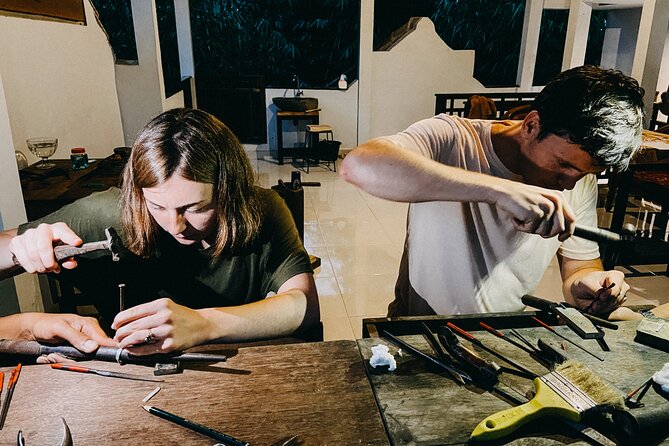
The best part of this Ubud experience is that you do not just watch a craft demonstration. You shape, heat, cut, clean, and finish a piece of jewelry that you take home. Bima, Komang, and Diah are among the teachers named for the class, and the setting is a traditional silver-making village near Tegallalang.
I like the small maximum group of eight, since beginners can get help without shouting across a crowded workshop. I also like the creative choice: a ring, bracelet, earrings, or even a lion design gives you something personal rather than a standard souvenir. The main consideration is cost control. Your booking covers one item, but extra silver and gemstones cost more, so bring cash if you may want to add them.
Key points to know before booking
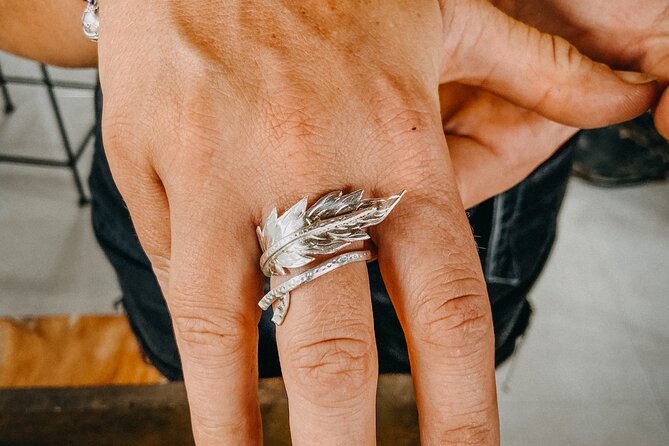
- Make one personal piece: Choose a ring, bracelet, earrings, or lion design, then take the finished silver home.
- Work through the full process: You learn to design, burn, cut, clean, and finish your jewelry rather than simply selecting it from a case.
- Small class size: The activity accepts a maximum of eight people, allowing more direct help from the teacher.
- Budget for additions: Silver above 4 grams costs IDR 75,000 per extra gram, while gemstones cost IDR 100,000 to IDR 500,000.
- Convenient timing: Several class times are offered, and the activity lasts about two hours.
- A local setting: The class takes place at Ubud MK2 Silver Class near Tegallalang, with the activity ending at the same meeting point.
What the Ubud silver class really offers
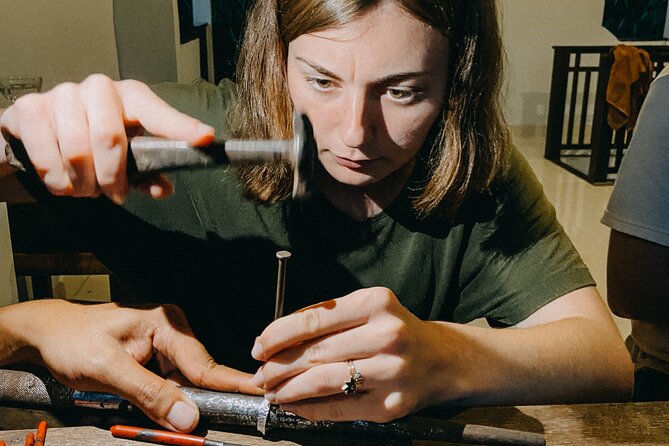
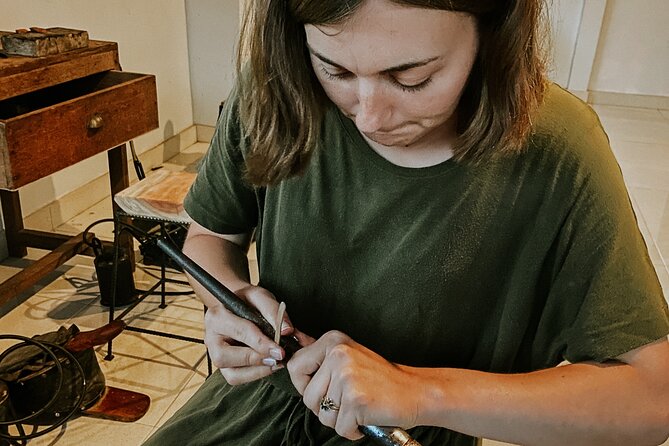
This is a hands-on craft lesson, not a shopping stop dressed up as an activity. You begin with a design and then learn the basic steps used to turn silver into a wearable object. The work includes burning, cutting, cleaning, and finishing, so you get a feel for both the creative and practical sides of silversmithing.
The class is aimed at beginners. You do not need prior jewelry-making experience, and the teacher guides you through the process. That matters because silver work can look simple when an expert does it. A ring that seems like a quick bend and polish can require careful shaping, patience, and repeated correction.
The class lasts about two hours. That is long enough to create one small piece without taking over your whole day in Ubud. You can book one of several daily start times, which makes it easier to fit around a temple visit, a village activity, or time in central Ubud.
The activity has a mobile ticket, and confirmation arrives at booking. The meeting point is Ubud MK2 Silver Class, at Jl. Raya Tegallalang No. Br, Sapat, in Tegallalang, Gianyar. The class finishes back at this same location.
Other things to make with your hands in Ubud:
- Ubud Silver Class Jewelry making in bali
★ 5.0 · 978 reviews - Crafting Heritage Batik Painting Workshops
★ 5.0 · 164 reviews - Ondox Silver Class and jewelry UBUD
★ 5.0 · 132 reviews
Arriving at the traditional silver-making village
The workshop is near Tegallalang, north of Ubud, rather than in the middle of the town center. That location gives the class a more local feel than a shop where you only browse finished pieces. The experience provider is Taro Village Experience, and the class takes place in a home-style setting associated with a Balinese family business.
You may select an option with transfers from Ubud if available when booking. Check the exact pickup details before paying, since the stated meeting point is the workshop itself. If you arrange your own transport, save the full address and allow time to reach Tegallalang.
The setting has been described as clean, open, and breezy, with indoor shoes provided for the activity. Those are small touches, but they help you settle into a working space rather than treating the visit like a formal showroom.
The class accepts no more than eight people. That limit is one of the most useful features here. Beginners often need help with pressure, shape, heat, and finishing, and a small group gives the teacher a fair chance to watch each person’s work.
Choosing your design before the tools come out
You can make a ring, bracelet, earrings, or a lion design. The exact design you choose will affect how much silver and time you use, so it is worth thinking about the finished piece before the practical work begins.
Examples are available at the workshop to help you choose. This is useful if you arrive with only a vague idea. You can copy the general shape of an example or use it as a starting point for your own design.
A ring is likely the simplest choice for a first attempt, though the class also suits people who want something more unusual. A bracelet may require more material, while earrings involve making matching pieces. If you choose an intricate design, ask the teacher how much silver it may require before work begins.
The listed terms allow one person to make one item design. You cannot combine or share silver allocations with another person. If you are attending as a couple, each person should plan to make one separate piece.
That rule keeps the class fair, but it also means you should not assume two people can pool their material to make one larger item. Decide who is making what before the silver is measured.
Learning the basic silver-making process
The class takes you through the working stages one at a time. You design the piece, then work with the silver under the teacher’s direction. The listed steps include burning, cutting, cleaning, and finishing.
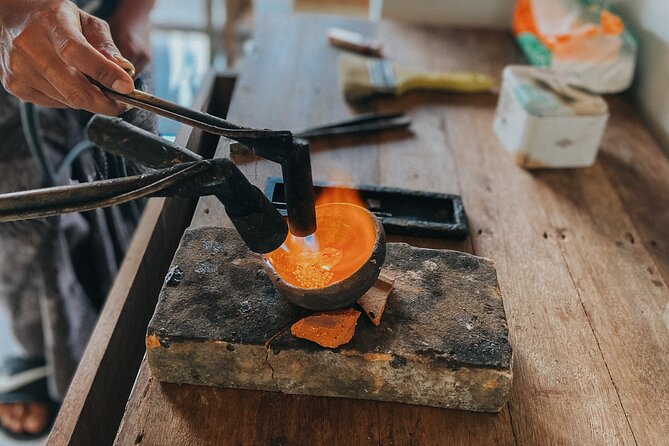
The burning stage is part of what makes this more than a craft souvenir session. Heat changes how the metal can be worked, and the teacher shows you the basic method safely. You may find the process less easy than it looks when demonstrated, especially when trying to keep a ring even or cut a clean shape.
Cutting and shaping require a steady hand. This is where the small class helps. You can ask for assistance rather than guessing and damaging the material. The teachers are described as patient and friendly, which is exactly what a beginner needs when the piece refuses to look like the sample.
Cleaning and finishing bring the design together. These final steps can make a rough handmade piece look more polished and wearable. Do not rush them. The character of the finished jewelry comes from the work you put into these small details.
The teacher does not simply take over when your work becomes difficult. The aim is to help you learn the basic method. You will still receive guidance throughout, but the piece remains something you made.
Same base, a different sort of day:
- All-Inclusive Ubud Private Tour
★ 5.0 · 14,344 reviews - Best of Ubud Full-Day Tour with Jungle Swing
★ 5.0 · 8,571 reviews - Ubud: Monkey Forest, Jungle Swing, Rice Terrace, and Water Temple
★ 5.0 · 7,160 reviews - Best of Ubud 1-Day Private Tour
★ 5.0 · 4,451 reviews
The teachers and the feel of the lesson
The class is led by an experienced silversmith, with Bima, Komang, and Diah named among the local teachers. Their role is especially important for first-time makers. You need clear instructions, but you also need someone willing to correct small mistakes without making the activity feel like a test.
The teaching style suits people who want an approachable activity. You receive help with each step, and the class is designed for beginners rather than trained metalworkers. The teachers also help with design selection, which is useful if you are torn between a simple ring and a more decorative piece.
The workshop has a warm, family-run feel. The hosts welcome you into their home setting, and that adds a personal side to the craft lesson. You are not only buying an object made in Bali. You are spending time with people who teach a local skill and help you make a small object yourself.
Still, keep your expectations realistic. Two hours is enough for one beginner piece, not a full professional apprenticeship. You will learn the basic process and leave with jewelry, but you will not master every part of silversmithing in a single class.
What the $50 price covers
At $50 per person, the class is priced above a simple souvenir purchase, but the value comes from the making process. Your booking includes the instruction, one person’s one-item design, coffee or tea, bottled water, and the silver work covered by the class terms.
You also leave with your creation. That makes the price easier to justify if you value activities that produce a personal keepsake. A shop-bought ring may take less time and cost less, but it does not carry the memory of shaping and finishing it yourself.
Watch the material rules closely. Silver use above 4 grams costs IDR 75,000 per additional gram. The class does not allow you to bring silver or gemstones from outside, and you cannot share silver portions with another person.
Gemstones are extra. The stated stone price ranges from IDR 100,000 to IDR 500,000. Bring cash if you think you may add a stone or buy more silver. A French-speaking participant reported making multiple rings with extra payment, but that kind of result depends on the material used and the design you choose, so ask for the current price before committing.
The best way to protect your budget is to decide whether you want a plain silver piece or a design with stones before the work starts. Ask how much silver your preferred design may need. This avoids a surprise at the end and helps you choose a shape that fits the included amount.
Rings, bracelets, earrings, and the lion design
A ring is a strong choice for a first visit. It is small, practical, and easy to wear after you return home. You may choose a plain band or a more decorative design, depending on the examples available and the amount of silver you use.
Bracelets give you more room for decoration, but they may use more material. That matters because additional silver is charged by the gram. If you want a larger bracelet, ask about the likely total before you begin.
Earrings are a good option if you want a matching pair, but matching pieces demand care. You need to keep the two items similar in size and shape. The teacher can help you through that process, though it may take more attention than making one ring.
The lion design offers something different from the usual beginner band. It may appeal if you want a recognizable motif rather than a simple form. As with any more detailed design, ask about the amount of silver and the time needed before choosing it.
The class gives you enough choice to make the item feel personal, but not so much that you are left without direction. Examples on site help narrow the options, and the teacher can explain what is practical for a beginner.
What to bring and how to plan your time
Bring cash. Extra gemstones and additional silver are not included, and the workshop specifically advises preparing money for these purchases. You will also want a design idea, though you can choose from examples once you arrive.
Wear something comfortable for a hands-on activity. The information provided does not list a formal dress code, but you should expect to work with tools and materials rather than sit through a passive demonstration.
The class is about two hours, with coffee, tea, and bottled water included. You can book from several class times, so it works well as a morning or afternoon activity. Add transport time to and from Tegallalang if you are staying in central Ubud.
The activity ends where it starts. That makes the class easy to pair with another outing in the same part of Bali, but do not assume that another visit is included. The listed experience itself is the silver workshop.
Who will enjoy this most
I would choose this for couples, friends, families, and solo visitors who want a creative activity with a useful souvenir at the end. It is also a good choice when you need a break from temples, markets, and sightseeing by car.
It suits beginners especially well. The teacher takes you through the basic process, and most people can participate. You do not need to arrive with a jewelry background.
It may be less suitable if you want a quiet luxury shopping experience or a professionally finished piece with no visible handmade character. The point is to learn and work with the metal. Small uneven marks may be part of the charm, and the final result depends partly on your own patience and accuracy.
If your main aim is to buy inexpensive jewelry, this is not the most direct option. You are paying for instruction, time, and the chance to create something personal. If that sounds worthwhile, the price makes better sense.
Cancellation and practical booking notes
You can cancel for a full refund up to 24 hours before the local start time. Cancellations or changes made within 24 hours are not refunded or accepted, so check your schedule before booking.
Confirmation is provided at the time of booking, and the activity has a mobile ticket. Most people can participate. The maximum group size is eight, which is small enough to keep the lesson personal without making it a private class.
Should you book the Ubud silver jewelry class?
Book it if you want to leave Bali with something you made yourself, not just something you bought. The strongest reasons are the patient step-by-step teaching, the small group, the local home setting, and the choice of several jewelry types.
I would choose a simple ring if this is your first attempt and your budget is firm. If you want a gemstone, a bracelet, or a larger design, bring cash and ask about the extra cost before the silver is cut.
Skip it if you have no interest in making jewelry or if you want a quick, fixed-price purchase. For everyone else, this is a thoughtful two-hour addition to an Ubud itinerary, with a personal souvenir and a genuine introduction to Balinese silver craft.
FAQ
Where does the Ubud silver jewelry class take place?
The class takes place at Ubud MK2 Silver Class, Jl. Raya Tegallalang No. Br, Sapat, Tegallalang, Gianyar, Bali 80561, Indonesia. The activity ends back at the same meeting point.
How long does the silver jewelry class last?
The activity lasts approximately two hours.
What jewelry can I make?
You can make one item design, choosing from a ring, bracelet, earrings, or a lion design.
Is silver included in the price?
The booking includes the silver terms for the class and one person’s one-item design. Silver use above 4 grams costs IDR 75,000 per additional gram. You cannot share silver portions with another person.
How much do gemstones cost?
Gemstones cost between IDR 100,000 and IDR 500,000. They are not included, and you should prepare cash if you want to add one.
Can I cancel for a refund?
Yes. You can receive a full refund if you cancel at least 24 hours before the experience start time. Cancellations and changes within 24 hours are not refunded or accepted.
Just added in Ubud
- Mount Batur jeep sunrise with breakfast★ 5.0 · 9 reviews
- Mount Batur Sunrise Trekking (Private, Breakfast and Visiting coffee plantation)★ 5.0 · 27 reviews
- Bali Food Tour: Savor Street Food and Night Market Adventures★ 5.0 · 46 reviews
- Cliff Jumping and Sliding at Aling Aling Waterfall★ 5.0 · 71 reviews
- Private Full-Day Lempuyang Gate of Heaven Tour★ 5.0 · 67 reviews
- Half-Day Tour: Uluwatu Temple and Kecak Fire Dance Show★ 5.0 · 63 reviews
- Mount Batur Sunrise Trekking★ 5.0 · 65 reviews
- Ubud: Monkey Forest, Rice Terraces & Sacred Temples★ 5.0 · 69 reviews
Silver & Craft Workshops, compared.

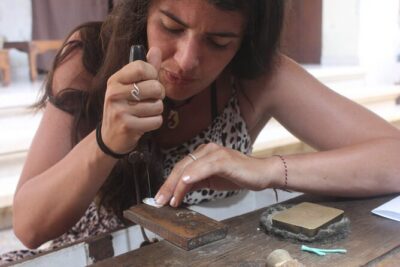
Private Traditional Bali Silver Jewelry Making Class
Read our review →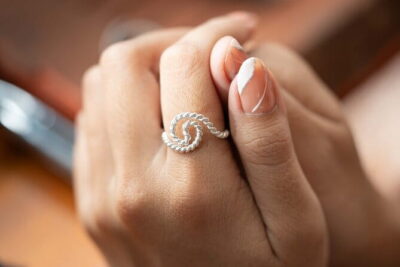
Kuta Bali Silver Jewelry Making Class Near Kuta Beach
Read our review →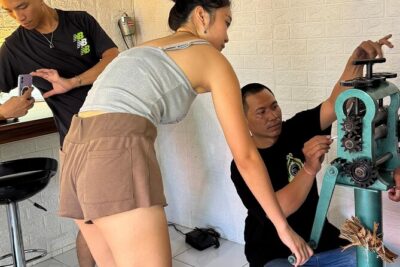
Silver Jewelry Making Class in Seminyak and Legian
Read our review →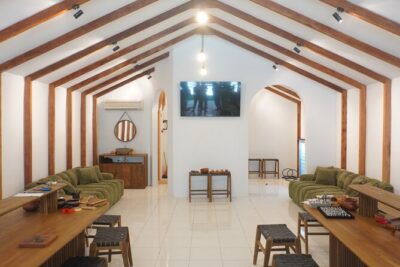
Bali Seminyak Silver Class Activity and Take Your Own Creation
Read our review →Browse the lists this tour appears in