
Reviewed · HIKING & TREKKING
2D-1N Hiking Rinjani To Rim Senaru – Dewa Trekking
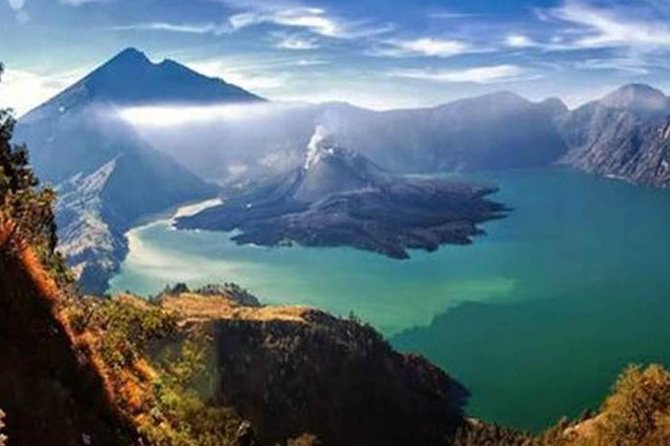
Mount Rinjani’s Senaru crater rim gives you a big mountain experience without the summit push. You start at about 601 meters, climb through forest and grassland to 2,641 meters, then sleep in a tent above the crater with views of the lake, volcanic cone, and sunset.
I like the practical setup: transfers, a Senaru night, meals, water, porters, and camping gear are included. I also like the private format, since your guide can adjust the pace instead of pushing you into a fixed group. The catch is simple: this is a hard uphill hike, and the next morning still requires a long descent.
Key points
- The climb reaches Senaru Crater Rim at 2,641 meters, with sunset and sunrise views over Mount Rinjani and the crater lake.
- The route starts in dense tropical forest, then becomes steeper and more exposed as you reach open grassland.
- A pre-trek night in Senaru takes the strain out of arriving and hiking on the same day.
- Porters carry cooking and camping equipment, while you remain responsible for your own daily bag and personal gear.
- Three liters of drinking water per person per day are provided, along with cooked meals and snacks during the trek.
- This is a private tour, with pickup anywhere on Lombok and transfer onward after you return to Senaru.
Why the Senaru crater rim is the right Rinjani goal
Mount Rinjani is Indonesia’s second-tallest mountain, and the Senaru crater rim offers a serious taste of it without adding the summit climb or the descent to the crater lake. You get the mountain’s drama in two trekking days: one long ascent, one long return.
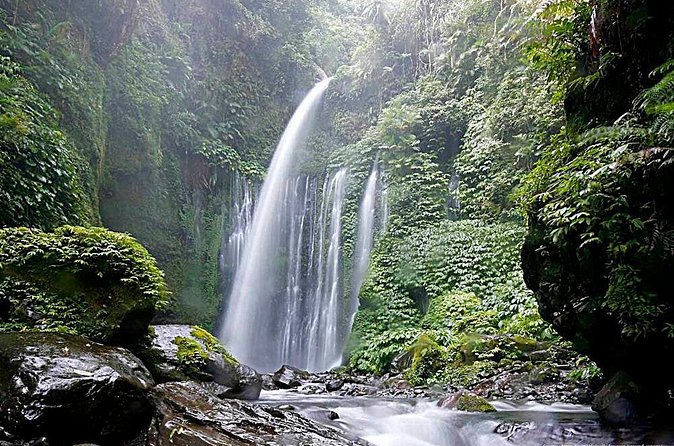
The main reward is the view from 2,641 meters. From camp, you can look across the crater toward Mount Rinjani, see the lake below, and spot the small volcanic cone inside the crater. Sunset gives the scene warm light, while sunrise brings a cooler, clearer view before you begin walking down.
I think this route suits you if your goal is a memorable mountain night rather than a race to the summit. It is still physically demanding. The distance is not the only issue. The path grows steeper as you leave the trees, and the altitude adds another layer of effort.
The program is described as a 2-day, 1-night trek, but the full experience takes about three days because arrival day includes transport to Senaru and a night at a homestay. That extra night is useful, not wasted time.
Other treks in Lombok people book:
- 2D1N Senaru Crater Rim Trekking
★ 5.0 · 178 reviews - 3D-2N Explore Mount Rinjani – Summit -Lake and Hotspring
★ 5.0 · 112 reviews - Rinjani trekking 2D 1N RIM
★ 5.0 · 94 reviews
Arrival day in Senaru: a sensible start before the climb
Dewa Trekking provides pickup anywhere on Lombok, with past arrangements including airport, Kuta Lombok, and Bangsal Harbour pickups. You are taken to Senaru, check into accommodation, and sleep before the early start.
The stated meeting time is 12:00 am, but the practical schedule described for the trek begins with an early breakfast on the first hiking day. Confirm the exact pickup time and location when you book, especially if you are arriving by boat or from another part of the island.
The Senaru accommodation gives you a place to organize your pack, eat, and get a proper night’s rest. It also means you are not trying to complete a long transfer and immediately begin a major climb. Food is included at the accommodation, and the trek package covers the night before the hike.
This is one of the strongest parts of the arrangement for me. Rinjani is not the sort of hike where you want to begin tired from a dawn airport transfer. A calm night in Senaru lets you check your clothing, charge your phone, and make sure your small bag contains only what you need.
Day 1: from 601 meters through forest to the rim
After breakfast, you register at the Rinjani Trek Centre and begin from Senaru at roughly 601 meters above sea level. The first section passes through dense tropical forest, which gives you shade and a gradual way to settle into the rhythm of the climb.
The early trail includes stops at Pos 1 and Pos 2. These are planned rest points for water, snacks, and a short pause. Your guide can help set a pace that fits your group, which matters on a private hike. A strong hiker and a first-time mountain walker should not have to move at the same speed.
At Pos 3, around 2,000 meters, you stop for a longer lunch break. By this point you have already gained a great deal of height, so lunch is more than a pleasant pause. It is a chance to eat properly, drink, adjust clothing, and prepare for the harder section above.
After Pos 3, the forest gives way to grassland. You lose much of the tree cover, and the trail becomes steeper. This is where the climb can feel slow. I would not judge your progress by distance alone. The key change is altitude, not simply how far your boots have moved.
The final approach to the crater rim is the toughest part of the day. Take short, regular steps and use the breaks provided. Your porters carry the cooking gear and camping equipment, but you still need to carry your own daily pack unless you pay for an extra porter for personal luggage.
The camp is set at Senaru Crater Rim, at 2,641 meters. The reward is immediate: sunset over Mount Rinjani and the lake, with the volcanic cone visible inside the crater. Bring a camera, but keep it protected from rain and dust. The views are a major reason to choose this trek, and the light at the rim changes quickly.
What camp is like at 2,641 meters
The package includes a tent, toilet tent, toilet paper, sleeping bag, mattress, and pillow. You do not need to arrange basic camping equipment yourself, which keeps the price more reasonable than a stripped-down guided hike.
A tent at the crater rim is also a reminder that this is mountain camping, not a hotel night. You should expect a functional setup rather than luxury. The sleeping bag and mattress provide the basics, but a good personal layer for warmth remains important.
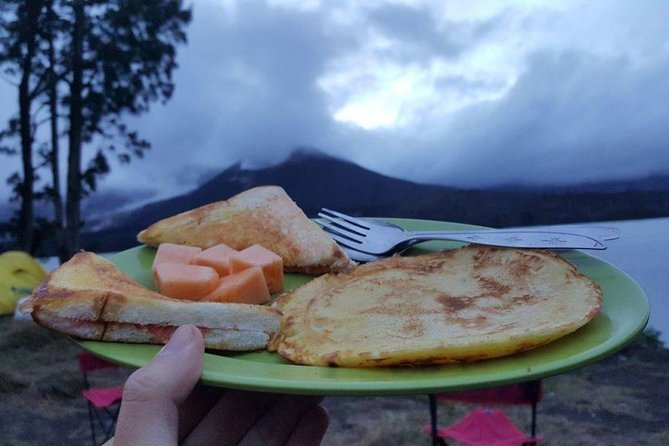
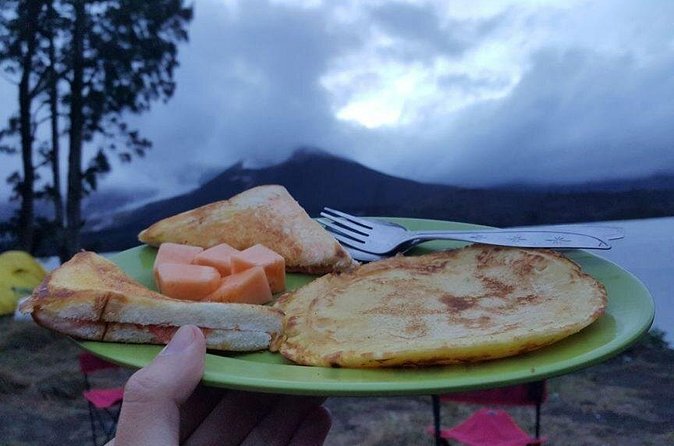
Food is cooked on the trek, and the package provides drinking water at three liters per person per day. The meals have received particular praise, with descriptions of tasty dishes prepared along the route. You should still carry a small supply of personal snacks if you have specific dietary needs, since the available information does not promise special diets.
The toilet tent is a useful inclusion. It does not make the mountain comfortable in the usual sense, but it means the basic arrangement is handled. Pack hand sanitizer and any personal toiletries you need, as these are not listed among the inclusions.
More walking routes from Lombok:
- Rinjani Trekking 3D2N Summit
★ 4.5 · 85 reviews - 3D/2N Rinjani trekking summit,lake and hot springs.
★ 5.0 · 85 reviews - Rinjani Trekking 3 Days 2 Nights (Sembalun – Senaru)
★ 5.0 · 84 reviews - Mt. Rinjani 2D1N Senaru Crater Rim
★ 5.0 · 75 reviews
Day 2: sunrise, breakfast, and the long descent
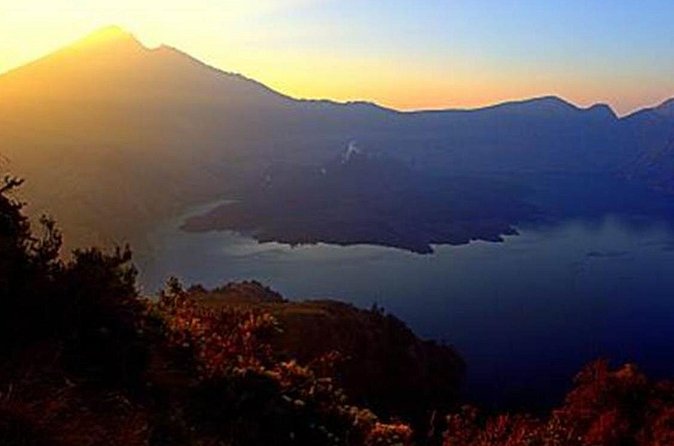
The second morning starts with sunrise at the rim, followed by breakfast. This is a quieter part of the experience than the climb. You have already reached the main goal, so you can take in the crater, lake, and mountain before packing up.
The return route follows the descent toward Senaru, with rest and snack stops along the way. You stop at Pos 2 for a longer lunch break, then continue down to the village. The expected arrival is around 1 pm.
Do not underestimate this day. Descending can be hard on knees and ankles, especially after the previous day’s climb. Trekking poles are not listed as included, so bring your own if you use them. They can be useful on steep or uneven ground, though you should only count on the equipment specifically provided by the operator.
After reaching Senaru, you are transferred to your next destination. This onward transfer is valuable if you are heading to a harbour, hotel, or another part of Lombok. The exact drop-off plan should be confirmed in advance.
Guides, porters, and the private-tour advantage
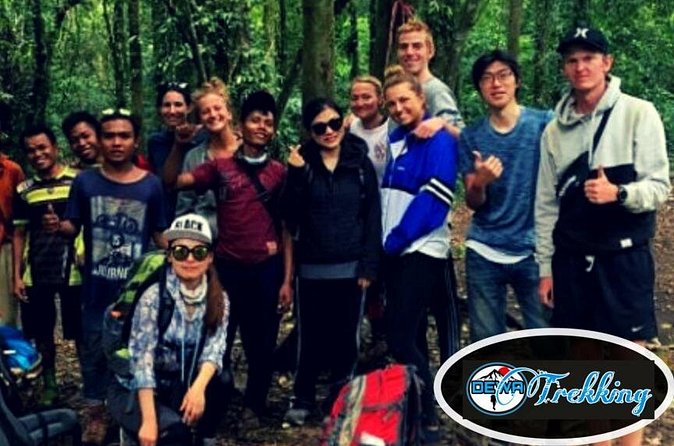
The package includes an English-speaking guide and professional porters. Guide assignments have included Dean, Seki, Windy, and Din, though the person assigned to your group can vary.
The most important role of the guide is not simply to lead the way. You need someone who can judge when to stop, keep the group together, and help you manage the steep sections. On a private tour, the pace can be shaped around your group rather than an unknown crowd.
The porters carry cooking equipment and camping supplies. This is a demanding job, and the arrangement lets you focus on walking with a manageable day pack. It does not mean you should overpack. Keep your bag light and carry only water, rain protection, warm layers, camera gear, and personal essentials.
An extra porter for your own luggage is not included. If you want someone to carry a larger personal bag, arrange and pay for that separately. Your included porter support covers the group’s cooking and camping equipment, not unlimited baggage.
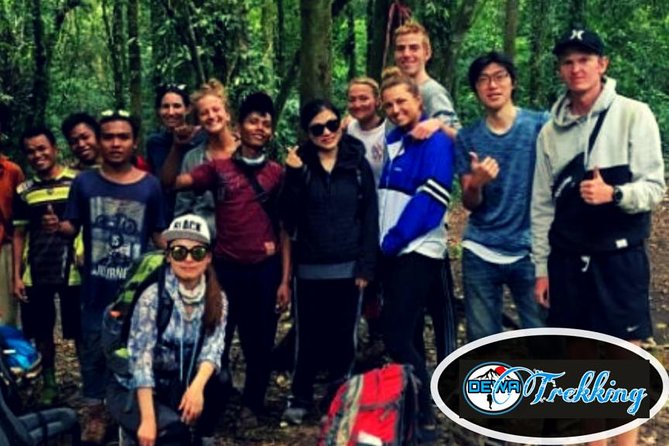
The private format is especially useful for couples, families with suitable fitness, and small groups of friends. It can also help if one person needs more breaks. That flexibility has real value on a mountain.
What to bring, and what not to expect
Several useful items are excluded, so prepare before you arrive. You need a headlamp or hand torch, a small bag or daily pack, trekking shoes, a rain jacket, long pants, and gloves.
The torch matters because you will be moving early in the day and camping overnight. Even if the main walking is scheduled in daylight, a light is a basic safety item around camp.
Wear footwear suitable for a steep mountain trail. Regular casual shoes are not listed as appropriate equipment. Long pants and gloves help protect you from weather and rough sections, while a rain jacket gives you a layer against changing conditions.
The supplied information does not specify a gear rental service, a detailed weather policy, or a full medical screening process. Ask Dewa Trekking about current trail conditions and any seasonal closures before you travel. The park controls access, and mountain conditions can affect the route.
You also need moderate physical fitness. This is not a scenic walk with a short uphill section. You climb from 601 meters to 2,641 meters on day one, then descend to Senaru on day two. If you are unsure about your condition, speak with the operator before booking.
Is the $237 price good value?
At $237, the price is not just paying for two days of walking. It covers pickup and drop-off transfers, one night in Senaru before the trek, the English-speaking guide, porters, national park entry, food, three liters of water per person per day, and the full camp setup.
That bundle makes the price easier to judge. You would otherwise need to arrange transport across Lombok, a Senaru night, park access, camping equipment, cooking, water, and mountain support. The porters and guide also provide practical help on a route where navigation and logistics are not trivial.
The value is strongest if you need pickup from another part of Lombok and onward transport after the walk. It is also strong for first-time Rinjani hikers who do not own a tent, sleeping bag, or mountain cooking gear.
The price does not cover airline tickets, personal trekking equipment, an extra porter for your luggage, or tips. Add those costs to your budget. You should also ask how much luggage can be stored or transported, since only a small daily bag is part of the practical setup.
Who should book this trek
I would recommend it to you if you want a demanding but focused Rinjani experience, especially if crater views and a night above the lake matter more than reaching the summit.
It fits:
- Couples or friends who want a private pace
- Hikers with moderate fitness and some mountain experience
- People arriving from Kuta Lombok, the airport, Bangsal Harbour, or another Lombok base
- Anyone who wants accommodation, meals, water, and camping gear organized in one package
- Photographers who want sunset and sunrise from the Senaru rim
I would be cautious if you dislike steep climbs, sleeping in tents, early mornings, or basic mountain facilities. The route is not presented as easy, and the descent can feel just as tiring as the ascent.
The 4.9 rating from 15 submitted ratings and a 100 percent recommendation figure suggest strong satisfaction, particularly with the guides, porters, food, communication, and transport. I would still treat those numbers as a helpful signal rather than a promise that every group will have the same guide or conditions.
Booking details and cancellation
Confirmation is provided at booking, and the activity is a private tour for your group only. Pickup is offered, and the route begins at the Rinjani Trek Centre in Senaru.
Free cancellation is available if you cancel at least 24 hours before the local start time. Cancellations or changes made inside that 24-hour window are not refunded or accepted.
Should you book Dewa Trekking?
Book this trek if you want the classic Senaru crater-rim view with the major arrangements handled for you. The strongest reasons are the private format, the pre-trek Senaru night, the included porters and camping gear, and the sunset and sunrise schedule.
Before paying, confirm your pickup point, exact start time, assigned guide, food needs, personal luggage plan, and current trail conditions. Bring the required clothing and light, and be honest about your fitness.
If you want a manageable version of Mount Rinjani without the summit push, this is a sensible choice. If you want a gentle holiday walk, choose something easier.
FAQ
How long does the full experience take?
The trek itself is 2 days and 1 night, but the complete program takes about 3 days because arrival day includes pickup, transfer to Senaru, a homestay night, and the return transfer after hiking.
Where does the hike begin?
The hike begins at the Rinjani Trek Centre in Senaru, at approximately 601 meters above sea level.
How high is the Senaru crater rim?
The camp at Senaru Crater Rim is approximately 2,641 meters above sea level.
Is accommodation included before the trek?
Yes. One night of accommodation in Senaru before the trek is included.
Are food and drinking water provided?
Yes. Food and drinking water are provided during the trek, with three liters of mineral water per person per day.
What camping equipment is included?
The package includes a tent, toilet tent and paper, sleeping bags, mattresses, and pillows.
What equipment must I bring?
You must bring a headlamp or hand torch, a small bag or daily pack, trekking shoes, a rain jacket, long pants, and gloves.
Can I cancel for a full refund?
Yes, if you cancel at least 24 hours before the experience start time. Cancellations made less than 24 hours before the start time are not refunded.
Just added in Lombok
- Trekking Rinjani Volcano To Crater Rim Senaru 2D-1N Private – Syam Trekker★ 5.0 · 45 reviews
- Full-Day Private Trip to South Lombok★ 5.0 · 15 reviews
- Waterfall Tour And Sasak Traditional Tour★ 5.0 · 3 reviews
- MODERATE HIKING: 2D/1N Crater Rim Senaru | Rinjani Samalas Tour★ 5.0 · 8 reviews
- Trekking Rinjani Mountain Summit 2 Days 1 Night – Em Adventure★ 5.0 · 42 reviews
- Panorama Walking Tour and Culture, West Lombok★ 5.0 · 6 reviews
- Lombok Tour For Cruise Passangers★ 4.5 · 16 reviews
- Fantastic trip to Sindang Gile & Tiu Kelep Waterfall★ 4.5 · 3 reviews
Hiking & Trekking, compared.
Mount Batur Sunrise Hike and Natural Hot Spring Option
Read our review →
Mount Batur Sunrise Trekking Private All Inclusive
Read our review →
Mount Batur Sunrise Trekking Private Tour with Breakfast and Hotel Transfer
Read our review →
Private Tour Mount Batur Sunrise Trekking and Natural Hot Spring
Read our review →
3-Day Ethical Orangutan Jungle Trek | Bukit Lawang, Sumatra
Read our review →
Browse the lists this tour appears in