
Reviewed · TEMPLE TOURS
Skip the Line Tirta Empul Temple Entrance Ticket All Inclusive
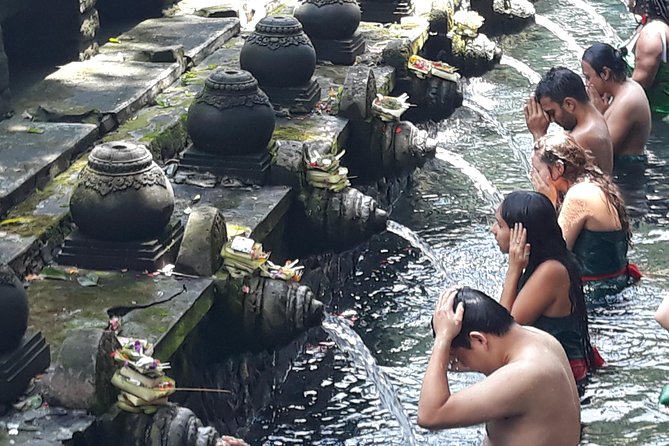
Tirta Empul is not just a temple stop. It is a place where you can take part in a Balinese purification ritual, standing in the holy springs while your guide explains what each offering and water spout means. That makes this more personal than simply walking through a temple courtyard.
I like the private pickup and the practical help at the temple. Guides such as Wayan, Moyo, Putu, Sudi, Made, and Kadek Nanda have been praised for explaining the ceremony, answering questions, and taking photos. I also like that the entry, offering, sarong, sash, and transport are bundled together.
The main catch is time. The temple visit may take 1 to 3 hours, but the drive from Ubud can be much longer in traffic. The advertised skip-the-line benefit may also have limited value when there is no formal line, so book this for the guide and ritual rather than that phrase alone.
Key points to know before booking
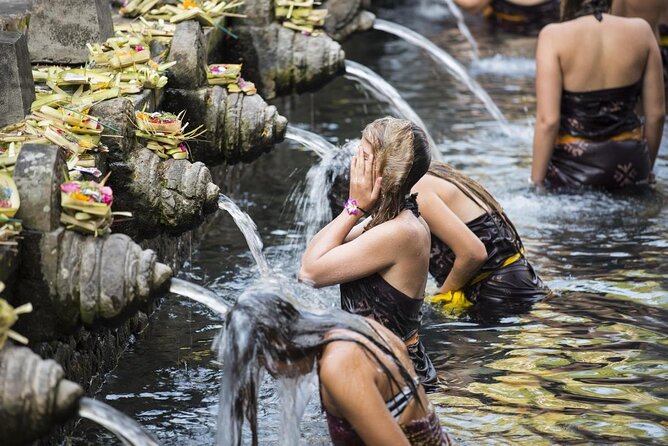
- The holy-water ritual is the heart of the visit: You can request help taking part in the purification ceremony at the spring.
- Your guide handles the confusing parts: Guides explain the temple’s gates, courtyards, offerings, and water spouts, then help you follow local customs.
- Transport is included from your accommodation: Pickup and drop-off are offered from a hotel, villa, or apartment, with the exact service area worth confirming.
- The package supplies the basics: Entry, Hindu offerings, a Balinese sarong, sash, bottled water, and private transfers are included.
- Allow more than the stated temple time: Traffic can make this a half-day outing from Ubud, especially at busy times.
- This is a small-group experience: The stated maximum is 14 people, though the transfer arrangement should be confirmed when booking.
Why Tirta Empul feels different from a normal temple visit
Tirta Empul is a working Hindu temple built around sacred springs. The appeal is not simply its architecture. It is the chance to see, and if you choose, take part in a living Balinese ritual.
The holy water is used for purification. With an offering in hand, you can follow the steps of the ceremony and move through the bathing area under the direction of your guide. The water ritual gives the visit a clear purpose, rather than leaving you to wander around wondering what you are looking at.
I would approach this with respect. It is not a theme-park performance staged for visitors. People come here for prayer, cleansing, and blessings. Your guide should help you understand where to stand, how to handle the offering, and when to let the ritual proceed quietly.
The experience begins at the first gate. From there, the guide takes you through the middle section and toward the main temple area, known as the utama mandala. Along the way, you can ask about Balinese Hindu beliefs, the role of offerings, and the meaning of the sacred springs.
The most valuable part is having someone explain what you are seeing at the right moment. Guides including Moyo, Wayan, Sudi, and Kadek Nanda have been singled out for clear explanations and calm assistance. Kadek Nanda, in particular, was praised for answering a long list of questions and taking more than 100 photos on a phone. That sort of help matters when you are trying to pay attention to the ceremony instead of managing your camera.
Other temple tours in Ubud people book:
- Ubud: Monkey Forest, Jungle Swing, Rice Terrace, and Water Temple
★ 5.0 · 7,160 reviews - Full-Day Tour to Water Temples and UNESCO Rice Terraces in Bali
★ 5.0 · 2,539 reviews - Bali Instagram: Gate of Heaven Temple Tour
★ 5.0 · 737 reviews
The ritual at the holy springs
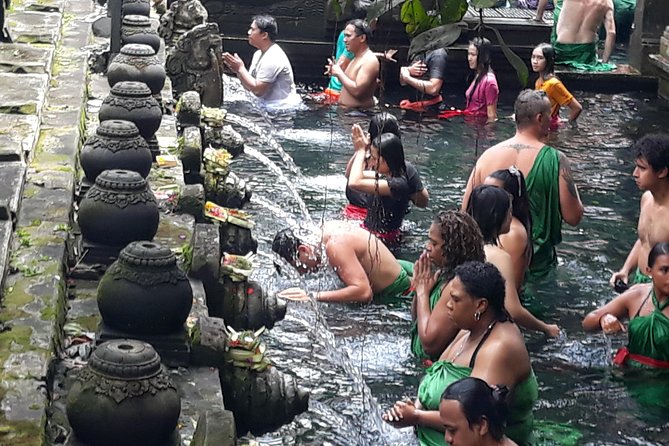
The blessing is optional, but it is the reason many people choose this experience. If you request it, the guide helps you prepare with the sarong, sash, and offering included in the package.
You should expect to get wet. The ritual takes place at the holy water, so wear something practical underneath the sarong and bring any personal items you need for changing or drying off. The supplied information confirms the sarong and sash, but it does not promise changing-room details, so ask your guide at the start.
The ritual can feel powerful because you are doing more than watching. You are following a set of actions with a local meaning, while your guide explains the role of each part. Several guides have been praised for allowing people to focus on prayer while handling directions and photographs.
I particularly like the way this format gives you room to take the ceremony seriously. Made, for example, was praised for preparing one participant with kindness and without pressing for personal reasons behind the visit. That is the right tone for an experience that can be emotional as well as cultural.
There is also a practical benefit to having a guide. The temple can feel confusing, especially if you are unfamiliar with Balinese customs. A guide can keep the visit moving, point out the correct areas, and help you avoid treating a sacred practice like a photo stop.
Still, your experience depends heavily on the individual guide. The strongest feedback names guides such as Wayan, Moyo, Putu, Sudi, Made, Gusti, and Kadek Nanda. The range of names suggests that guide assignments vary, so you should not assume a particular person will be available unless the operator confirms it.
What the walking portion includes
The visit covers the temple from the first gate through the central area and into the main temple section. This is not described as a long hike, but you should expect some walking, standing, and movement around a religious site.
Your guide provides context as you go. The aim is to explain Balinese Hindu practice, not simply point out attractive buildings. You can ask questions about the spring, the offerings, and the blessing process as the visit unfolds.
The package also includes temple admission. The phrase skip the line sounds useful, but it should be treated cautiously. One negative account pointed out that there was no formal line to skip, and the operator later acknowledged that the temple may not have a standard queue.
That does not make the guided visit pointless. It means the real value is orientation and cultural explanation, not guaranteed priority access. If you are comparing this with buying an entry ticket alone, the guide and transport are the parts that justify the higher price.
The visit is advertised as lasting about 1 to 3 hours. That range gives the guide room to adjust the pace, but it also makes the schedule less exact. If you have a flight, dinner reservation, or another fixed appointment, allow a generous buffer.
The drive from Ubud can change the whole day
The listed price is $29.54 per person, including the temple admission, guide assistance, offering, sarong and sash, bottled water, and round-trip private transport. On paper, that is a useful bundle, especially if you would otherwise arrange a driver, pay entry separately, and work out the ritual on your own.
The cost becomes more attractive when you are traveling with another person or a small group and want door-to-door transport. It also removes the need to negotiate a separate ride or figure out the temple process after arriving.
The weak point is the road time. One account described roughly two hours each way between the accommodation and the temple, followed by about an hour and a half at the site. That may not be typical for every pickup point or time of day, but it is a serious warning about Ubud traffic.
You should think of this as a short cultural outing at the temple, with the possibility of a much longer transport day. If your accommodation is in southern Bali, confirm the pickup area and expected drive before paying. The information says pickup is offered from a Ubud address, while the service notes also refer to southern Bali pickup, so the exact location matters.
The package is described as including Wi-Fi in the vehicle. However, the provider later stated that Wi-Fi in the car was not included and referred instead to Wi-Fi in the temple’s common area. I would not book this because of the Wi-Fi promise. Confirm it directly if mobile internet during the drive is important to you.
Bottled water is included. Pickup and drop-off are also offered from a hotel, villa, or apartment, but you need to provide the location before the tour begins. That small step matters, since the driving time and availability depend on where you are staying.
Other temples people visit from Ubud:
- Ubud Tour with Monkey Forest Waterfalls Temples and More
★ 5.0 · 495 reviews - Ubud Top Attractions: Waterfalls, Temples and Rice Terraces
★ 5.0 · 460 reviews - Private Tour: Uluwatu Temple & Southern Bali Highlights
★ 5.0 · 387 reviews - Half-Day Ubud Electric Cycling Tour to Tirta Empul Water Temple
★ 5.0 · 315 reviews
Choosing the best time and pace
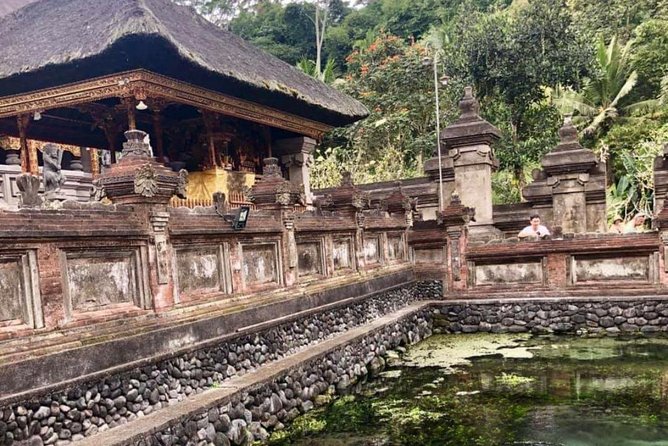
Early departure is the clearest practical tip. One visitor who went early found fewer people, and the quieter setting made it easier to listen, take photos, and follow the ritual without feeling rushed.
The experience provider does not give a fixed departure time in the supplied details, so ask what early pickup means for your address. The best timing may depend on temple conditions, traffic, and the guide’s schedule.
A private transfer also gives you some control. One booking was adjusted earlier when the participants needed to return to their hotel sooner. That flexibility is useful, but it should be arranged before the day begins rather than assumed.
The maximum group size is listed as 14 people. That is not a large tour by city sightseeing standards, but it is not necessarily a private guide for one couple either. The description calls the transfers private, so confirm how the group and vehicle arrangement work if you want a fully private experience.
What to wear and how to behave
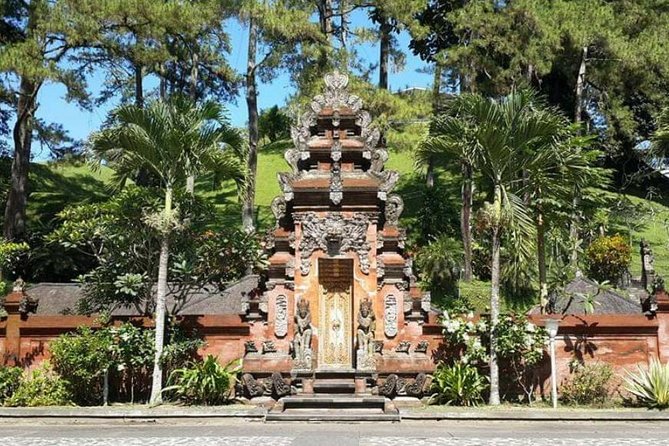
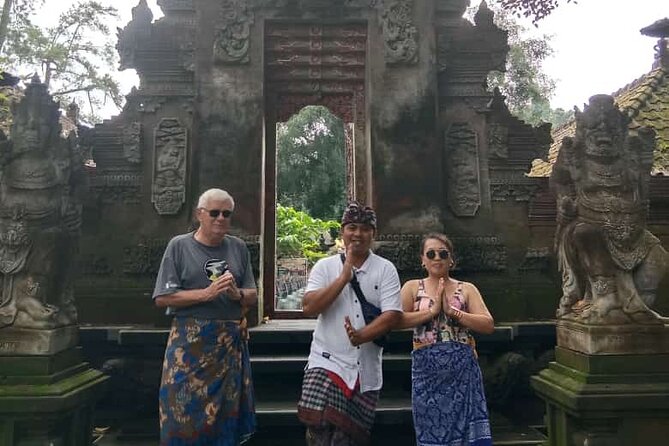
A Balinese sarong and sash are provided, which makes temple clothing easier. You should still dress modestly and comfortably, since the visit includes a religious site and possibly a water ritual.
The most important restriction is clearly stated: women who are menstruating are not allowed to enter the temple. This is a religious rule for the site, so plan accordingly and contact the operator if you need to change the date.
You should also be prepared for a ceremonial setting rather than a casual sightseeing stop. Keep your voice low during prayer, follow the guide’s instructions, and ask before taking close-up photos of people involved in worship.
The guide can help with the details that are easy to miss. That includes when to make an offering, where to walk, and how to approach the spring. It is one reason the guided option makes more sense here than arriving without preparation.
Photos, shopping, and keeping the focus on the temple
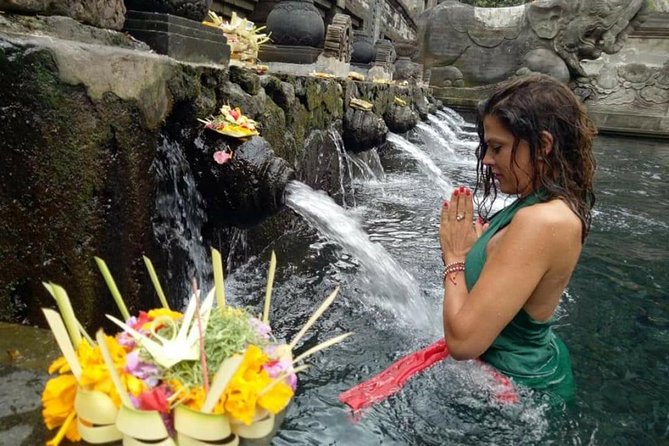
Photography is part of the appeal for many people, and several guides have taken photos and videos for their groups. That can be helpful during the water blessing, when you may not want to manage a phone yourself.
The quality of this service depends on the guide and your own phone. Do not expect a professional photographer, but do ask the guide to help if you want pictures of the ritual.
There is one practical warning about the exit route. A shopping stop, including a souvenir or silver shop, may appear on the way out. The guide reportedly described it as optional and advised ignoring the staff if you were not interested.
If shopping is not your goal, say so early and clearly. The advertised focus is Tirta Empul itself, and one of the strengths of the experience is that it can be a direct temple visit without a long list of extra attractions. You should not feel obliged to buy anything.
Some written feedback referred to rice terraces, Tirta Gangga Water Palace, and a coffee stop. Those are not part of the single-stop itinerary described here, so confirm the exact plan if an agent discusses extra stops. This package is best understood as a Tirta Empul visit with transport, not automatically as a full-day Bali sightseeing tour.
Who gets the most value from this experience
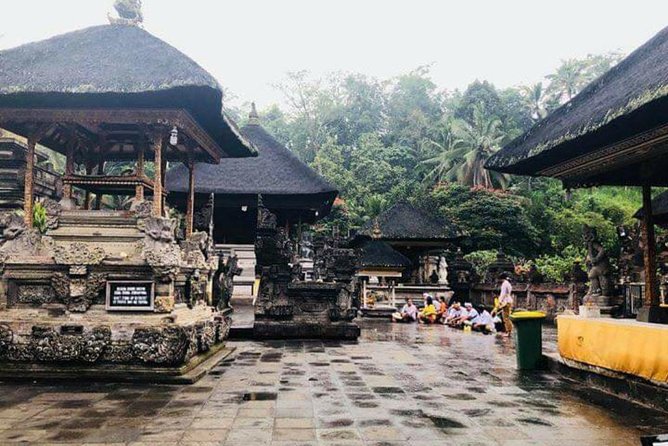
I would recommend it to you if you want to take part in the blessing but are unsure how to do so respectfully. The guide removes much of the guesswork and explains the meaning behind the ritual.
It also suits first-time visitors to Bali who prefer a cultural experience with transport arranged. You do not need to research the temple process in advance, and the supplied clothing and offering reduce the number of details you must handle yourself.
Families can benefit from the direct transfer and guide support, though the water ritual and temple setting may require patience from younger children. Most people can participate, but the activity involves walking and standing, and the exact physical demands are not specified.
This is less suitable if you are only looking for a quick photo stop. The drive may take far longer than the temple visit, and the spiritual purpose deserves more attention than a fast walk through the grounds.
It is also a poor fit if you need an exact one-hour outing from Ubud. The stated duration covers the temple portion, not necessarily the road time. Traffic can turn the day into a much longer commitment.
Booking details and cancellation terms
The experience is generally available by mobile ticket, and confirmation is received at booking. Group discounts are offered, and the maximum group size is 14 people.
You can cancel for a full refund up to 24 hours before the local start time. Cancellations or changes within 24 hours are not refunded or accepted. The experience also requires good weather. If poor weather causes cancellation, you are offered another date or a full refund.
Before booking, send the operator your exact hotel, villa, or apartment location. I would also confirm three points: the real pickup area, whether Wi-Fi is available in the vehicle, and whether your transfer is private or shared if more than one booking is involved.
Should you book the Tirta Empul experience?
Book it if the holy-water blessing and cultural explanation matter more to you than a fast, cheap temple visit. The guide is the main reason to choose this package, with repeated praise for practical help, clear explanations, respectful treatment, and photographs.
The $29.54 price can be good value when it replaces separate transport, entry, an offering, temple clothing, and guide arrangements. Just keep your expectations straight: the skip-the-line wording may not mean much, Wi-Fi in the car is uncertain, and the drive from Ubud can be long.
Choose an early pickup, leave plenty of time, and confirm the transport details before setting out. With those points settled, this is a useful way to experience Tirta Empul as a living place of worship rather than just another stop on a Bali sightseeing route.
FAQ
How long does the Tirta Empul experience take?
The temple portion is listed as approximately 1 to 3 hours. The total outing can be much longer because driving from Ubud may take substantial time in traffic.
What is included in the price?
The package includes temple admission, Hindu offerings, a Balinese sarong and sash, bottled water, guide assistance, and round-trip pickup and drop-off from an eligible accommodation address.
Is pickup available from my hotel or villa?
Pickup and drop-off are offered from a hotel, villa, or apartment, but you must provide the location before the tour. Confirm that your address is within the service area.
Can I take part in the holy-water blessing?
Yes. The itinerary says the blessing ritual is available on request and includes the sarong and offering needed for the experience.
Is the tour suitable for everyone?
Most people can participate, and the activity is described as suitable for most travelers. Women who are menstruating are not allowed to visit the temple because of the site’s religious rule.
How many people can join the experience?
The maximum group size is 14 people. The transfer is described as private, so confirm the exact vehicle and group arrangement when booking.
Can I cancel for a refund?
You can receive a full refund if you cancel at least 24 hours before the local start time. Cancellations or changes made within 24 hours are not refunded or accepted. If bad weather cancels the experience, you are offered another date or a full refund.
Just added in Ubud
- Mount Batur jeep sunrise with breakfast★ 5.0 · 9 reviews
- Mount Batur Sunrise Trekking (Private, Breakfast and Visiting coffee plantation)★ 5.0 · 27 reviews
- Bali Food Tour: Savor Street Food and Night Market Adventures★ 5.0 · 46 reviews
- East Bali Tour: Lempuyang Temple – Gate of Heaven, Tirta Gangga, Virgin Beach★ 5.0 · 67 reviews
- Cliff Jumping and Sliding at Aling Aling Waterfall★ 5.0 · 71 reviews
- Private Full-Day Lempuyang Gate of Heaven Tour★ 5.0 · 67 reviews
- Half-Day Tour: Uluwatu Temple and Kecak Fire Dance Show★ 5.0 · 63 reviews
- Mount Batur Sunrise Trekking★ 5.0 · 65 reviews
Temple Tours, compared.

Monkey Forest, Jungle Swing, Rice Terrace, and Water Temple
Read our review →
Full-Day Tour to Water Temples and UNESCO Rice Terraces in Bali
Read our review →Private Uluwatu Temple and Kecak Fire Dance Evening Tour in Jimbaran Bay
Read our review →

Borobudur Temple Climb To The Top & Prambanan Temple – 1 day tour
Read our review →
Ubud Tour with Monkey Forest Waterfalls Temples and More
Read our review →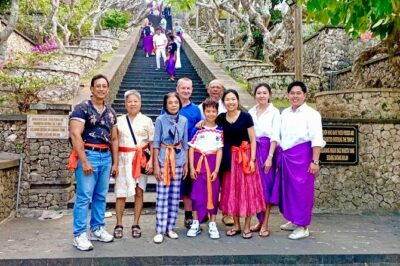
Uluwatu Temple Entry and Kecak Fire Dance Ticket
Read our review →
Ubud Top Attractions: Waterfalls, Temples and Rice Terraces
Read our review →Browse the lists this tour appears in