
Reviewed · SNORKELING
Reef Rehabilitation Course and Snorkeling
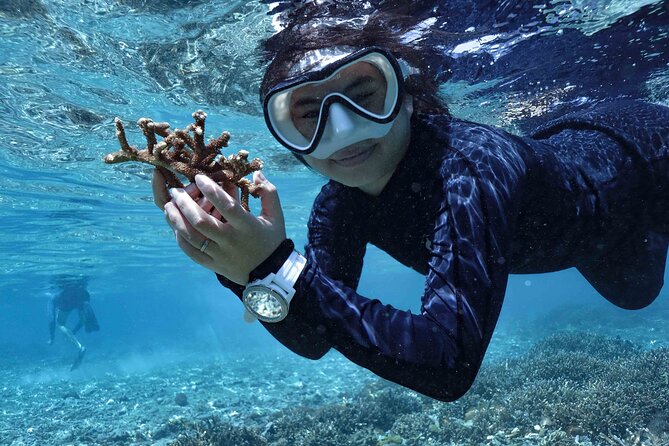
The most unusual part of this Nusa Penida outing is the hands-on work. You do not simply hear about coral protection or sponsor a nameless fragment. You learn how the nursery works, prepare coral pieces, and plant 70 corals across 4 square meters of reef by hand.
I like two things right away: the small maximum of 10 people, which should leave room for questions, and the mix of conservation with ordinary island life. You get a local lunch, a knot-tying lesson, and three guided snorkeling sessions, not just a quick swim beside a reef.
The main consideration is physical. You need to swim comfortably and have moderate fitness. Six hours of snorkeling, handling ropes, and working in the water may feel like a lot if you are not used to ocean activity.
Key points at a glance
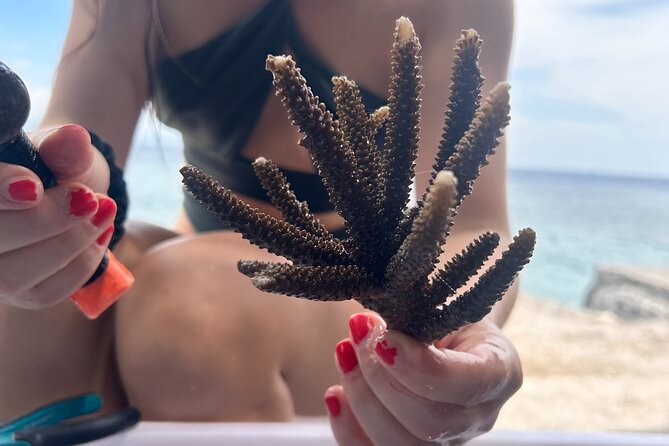
- 70 corals per person: Each participant prepares and plants enough coral to cover about 4 square meters of reef.
- Three guided snorkeling sessions: You visit the nursery, collect fragments, and work at the planting site as part of the day’s water activities.
- A seven-year local project: The program grows from a community effort with practical experience in coral restoration.
- Lunch at Coral Cafe: A meal is included, giving you a break between the water-based tasks.
- Small group size: The maximum is 10 people, useful for instruction and hands-on work.
- Saturday community work: Saturday departures include a local school visit, English teaching, and conservation activities with children.
Turning a snorkeling trip into reef work
Many marine tours ask you to look, take photographs, and leave the water as you found it. This one gives you a job to do. The central task is to help restore a damaged reef by preparing coral fragments and securing them to ropes before placing them on the seabed.
That changes the rhythm of the day. You are not rushing from one photo stop to another. You first learn why corals matter, how they respond to ocean conditions, and how restoration teams encourage new growth. Then you see the nursery where the project raises and maintains coral fragments.
I find this useful because coral restoration can sound vague when presented as a simple donation. Here, the work is broken into clear steps. You learn about the coral, handle the material, tie it correctly, and see where it is planted. The result is still part of a long process, but your contribution is physical and easy to understand.
The project has been running for seven years through the local community. That matters. A short-lived activity can offer a pleasant morning, but an established program has had time to learn which methods work in its waters and how to involve people who live on the island.
The advertised price is $62.61 per person. For a six-hour activity with equipment, lunch, instruction, restoration materials, and a small-group format, that is a strong value if you want an active conservation experience rather than a standard snorkeling excursion. The program also points out that comparable work through many nonprofit organizations can cost hundreds of dollars, though you should still think of the fee as payment for a guided activity, not a full charitable donation.
Other snorkelling trips out of Nusa Penida:
- ️Nusa Penida by Private Boat – Snorkeling 4 spots, Swim with Mantas + Land Tour
★ 5.0 · 6,424 reviews - Snorkeling Manta Ray Safari in Nusa Penida
★ 4.0 · 167 reviews - Snorkeling and Freediving Trip around Nusa Penida
★ 4.5 · 77 reviews
Starting at Ecotourism Nusa Penida Buyuk
The day begins at Ecotourism Nusa Penida Buyuk on Jalan in Ped, Nusa Penida. You return to this same meeting point at the end, so the activity does not leave you searching for a separate finish location.
The meeting point is useful to confirm before booking your day around it. The provided details do not include hotel pickup or boat transfers, so you should not assume transportation to the site is included. Plan your route to the meeting point separately and allow enough time to arrive ready for a water activity.
The group limit is 10 people. That is small enough for the instructors to demonstrate knots, answer questions, and keep an eye on the practical work. It also means the experience may feel more like a workshop than a large commercial boat trip.
Confirmation is provided at booking, and the ticket is mobile. Keep the booking details easy to access on your phone.
Learning how a coral nursery works
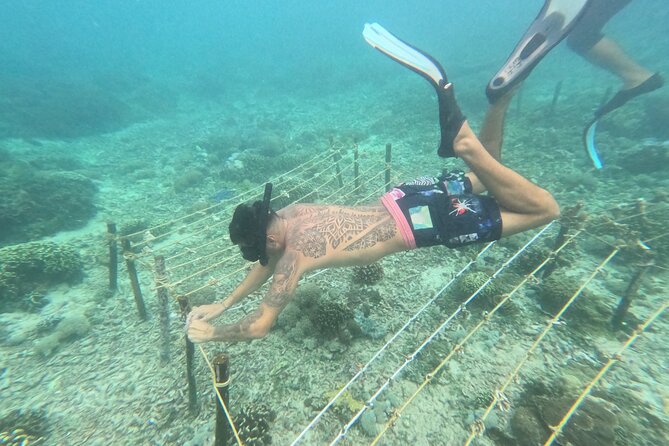
The first educational session covers coral biology and the role coral plays in an ocean ecosystem. You learn how ocean conditions affect coral and why damaged reef areas need careful support rather than a quick fix.
Next comes the coral nursery. This is one of the strongest parts of the day because it lets you see the work before you perform it. You learn how fragments are cultivated and how the nursery provides a controlled place for them to grow before planting.
The process gives you a better sense of scale. One small coral fragment will not repair a reef overnight. Restoration depends on repeated work, suitable conditions, and care over time. Planting 70 pieces gives you a meaningful task, but it also helps you understand that reef recovery is a long-term project.
The nursery visit should appeal to anyone who wants more context than a guide can provide during a normal snorkel. It is also a good moment to ask questions before you begin handling the restoration materials.
Collecting fragments and preparing the ropes
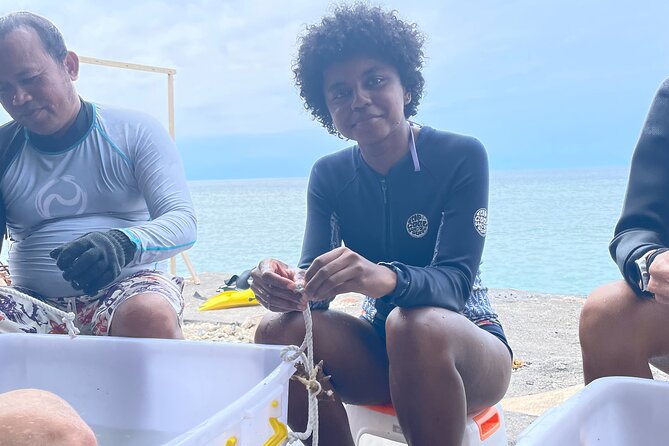
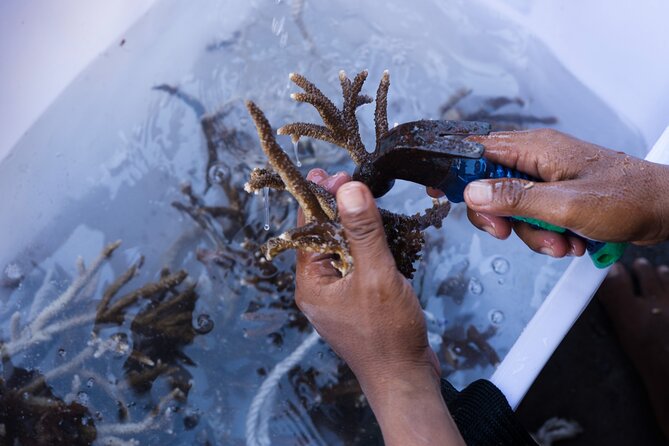
After the nursery lesson, you harvest coral fragments for planting. The wording here does not mean taking healthy coral from a natural reef for souvenirs. The activity is part of the restoration process, using material prepared for the project.
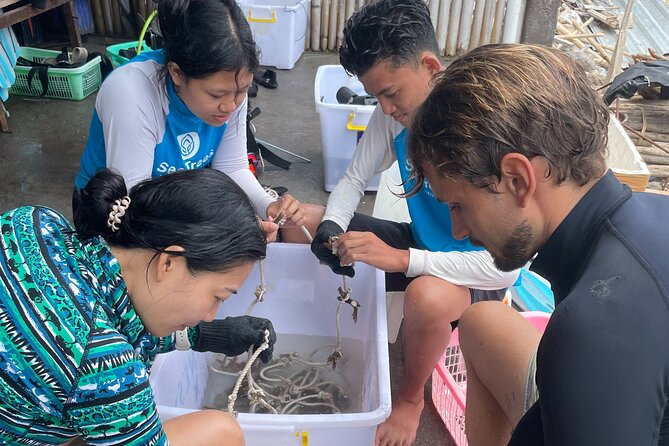
You then learn how to tie knots underwater. This is a practical and slightly playful part of the course, but it has a real purpose. The coral fragments need to be secured to ropes so they can be placed on the seabed.
You prepare the ropes with the collected fragments before planting. Expect to work carefully rather than quickly. The task requires you to follow instructions, manage the material in the water, and keep your attention on the coral pieces.
The knot lesson may be the part that separates this experience from a regular snorkeling tour. It gives you a small technical skill connected directly to the restoration work. If you have never handled rope underwater, give yourself time to get comfortable. The experience is designed around learning, not showing off.
Same base, a different sort of day:
- Nusa Penida Two Dives Trip for Certified Divers
★ 5.0 · 197 reviews - Two fun dives morning trip (Certified Divers only)
★ 5.0 · 170 reviews - Nusa Penida Three Dives Trip for Certified Divers
★ 5.0 · 66 reviews - East Nusa Penida With Tembeling Beach Natural Pool – Private tour
★ 5.0 · 65 reviews
Three snorkeling sessions with a purpose
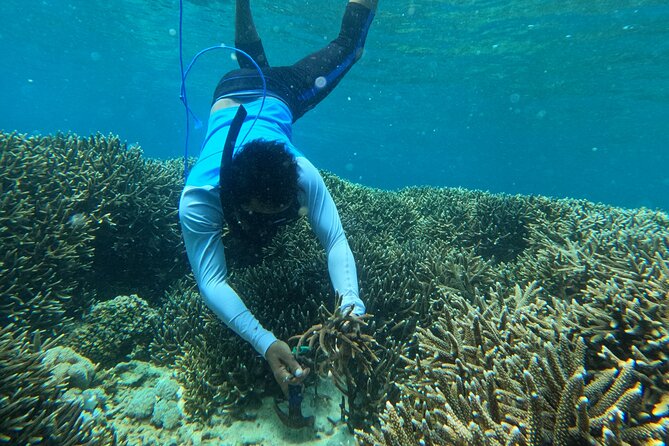
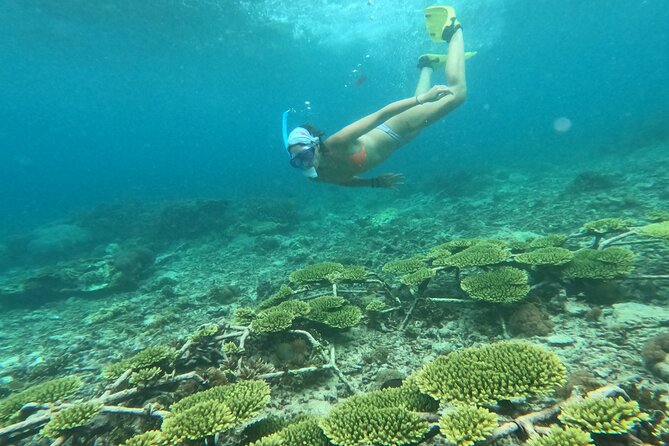
The activity includes three guided snorkeling experiences. These are not presented as three identical swims. They support different parts of the program, including seeing the nursery, collecting coral fragments, and planting them on the seabed.
You should be able to swim comfortably before booking. Snorkeling equipment is included, along with the material used for coral restoration. Still, being comfortable in the water matters more than simply knowing how to float. You may need to manage equipment, follow instructions, handle ropes, and stay focused while working.
The water conditions can affect how easy the practical work feels. The course includes instruction about ocean conditions, but the supplied details do not promise a particular visibility level, wildlife encounter, or reef condition on the day. Book this for the restoration lesson and guided water work, not for guaranteed animal sightings.
You should also expect the course to be more involved than a relaxed float. Planting 70 corals per person is a substantial task. Take the day at a steady pace and listen closely to the staff’s directions.
Lunch at Coral Cafe and the island connection
Lunch at Coral Cafe is included. This break gives you a chance to dry off, eat, and reset before the next stage of the program. It also keeps the day connected to local businesses instead of making the entire experience feel like a sealed-off marine excursion.
The local focus continues through the community element. The team describes the work as part of a wider island effort, linking reef care with local culture and community involvement. You are not only learning a technical conservation method. You are seeing how a project can operate in the place it is trying to protect.
On Saturdays, the schedule includes a visit to a local school. The program teaches English and takes part in conservation activities such as beach cleanups with the children. A small gift for local children and the school is included.
Saturday may be the best choice if that community contact is important to you. The school visit also means the day may have a slightly different balance than a weekday departure. Since schedules can change, confirm the exact Saturday plan when booking.
What the price includes, and what it does not
At $62.61, the fee covers more than a basic swim. You receive:
- Lunch
- Snorkeling equipment
- Coral restoration materials
- Coral education and practical instruction
- Three guided snorkeling sessions
- The school gift and local community contribution
- The chance to plant 70 corals covering about 4 square meters
The value is strongest for someone who would otherwise book both a snorkeling trip and a conservation workshop. The course combines those two interests in one half-day outing, with a meal included.
Personal expenses are not included. The provided details do not list hotel transfers, extra food, photographs, or other optional purchases, so budget separately for anything beyond the stated inclusions.
I would not choose this activity only because it appears inexpensive compared with a nonprofit program. Choose it because you want to take part in a structured restoration project. The fee pays for staff time, equipment, materials, instruction, and the day’s operation. Its conservation value comes from participating in the work, not from treating the booking as a donation receipt.
Who will enjoy this course most
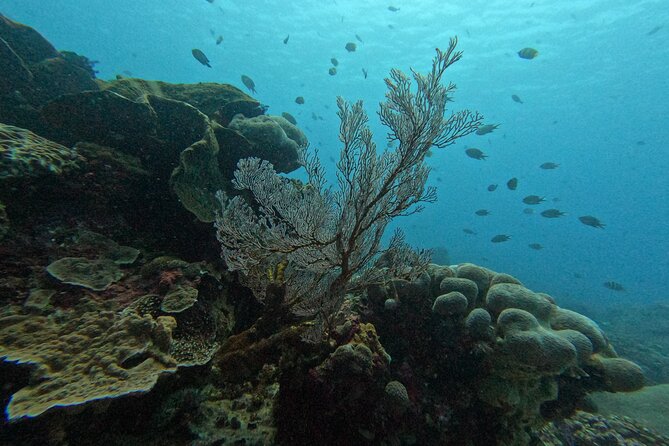
This course fits you if you:
- Swim comfortably and enjoy several water sessions
- Want to understand coral restoration through practical work
- Prefer a small group to a large sightseeing tour
- Like meeting local people and supporting a community project
- Are willing to follow detailed instructions underwater
- Want a meaningful activity with a clear physical result
It may not suit you if you want a short, effortless snorkel, guaranteed clear water, or a full day focused only on scenery. The work takes time, and the six-hour schedule includes lessons, preparation, lunch, and reef planting.
Families or mixed-age groups should check suitability carefully. Service animals are allowed, but the activity requires moderate physical fitness and comfortable swimming. Those two requirements are more important than the general sightseeing appeal.
The small group limit makes the course a good option for people who value personal instruction. You may meet team members such as Nyoman and Festi, who are associated with the local reef work. Their role is to explain the process and guide you through the practical tasks.
Practical planning for the six-hour day
Wear a swimsuit and bring whatever personal items you need for several hours around the water. The activity supplies snorkeling equipment, but you should still plan for sun exposure, wet clothing, and time spent moving between lessons and water sessions.
Keep your phone protected during the activity. The ticket is mobile, but your phone may not be convenient to use around water, so save the booking information in a way that is easy to retrieve.
The experience ends back at Ecotourism Nusa Penida Buyuk. Because the supplied details do not mention pickup, make your own transportation plan to and from the meeting point.
Book at least 24 hours ahead if you want the option of a full refund. You can cancel or make changes up to that point, based on local start time. A cancellation made less than 24 hours before the start is not refundable, and late changes are not accepted.
The activity is often booked 38 days in advance on average. That suggests you should not leave it until the last minute, especially if you want a Saturday with the school visit. Availability is still subject to the operator’s schedule.
Is the reef rehabilitation course worth booking?
I would book this if you want your snorkeling to have a clear purpose. The strongest features are the hands-on planting, the small group, the established seven-year local project, and the fact that lunch and equipment are included. You leave having completed a specific task rather than simply having watched a conservation talk.
I would skip it if you are not a confident swimmer or if your ideal ocean outing is a quiet, low-effort float. The course asks you to stay active for about six hours and take part in underwater preparation.
For most people who meet the fitness requirements, $62.61 is a fair price for the combination of education, equipment, meals, guided snorkeling, and restoration work. Choose a Saturday if the school and beach cleanup component appeals to you. Otherwise, any available day should offer the core coral nursery and planting program.
FAQ
How long does the reef rehabilitation course last?
The experience lasts approximately six hours, including the coral lesson, nursery visit, snorkeling sessions, lunch, knot-tying practice, and coral planting.
How many corals will each participant plant?
Each participant plants 70 corals, covering approximately 4 square meters of reef.
Is snorkeling equipment included?
Yes. Snorkeling equipment is included in the price.
Is lunch included?
Yes. Lunch at Coral Cafe is included.
Where does the activity start?
The meeting point is Ecotourism Nusa Penida Buyuk on Jalan, Ped, Nusa Penida, Klungkung Regency, Bali 80771, Indonesia.
Where does the activity finish?
The activity ends back at the same meeting point.
How many people can join the activity?
The maximum group size is 10 people.
Do I need to be able to swim?
Yes. You should be able to swim comfortably, and the activity requires a moderate level of physical fitness.
What happens on Saturdays?
Saturday departures include a visit to a local school, English teaching, and conservation activities such as beach cleanups with the children. A gift for the local children and school is included.
Just added in Nusa Penida
- Thrilling Off Road Adventure Explore Nature with ATV With Lunch★ 5.0 · 3 reviews
- Try Scuba Diving for Beginners with manta rays (Non – Certified)★ 4.5 · 31 reviews
- Seaweed Farming Activity and Sightseeing at Diamond Beach★ 4.5 · 3 reviews
- Snorkeling 3 Spots with GoPro & West Coast Tour Nusa Penida★ 4.5 · 5 reviews
- Try Freediving on Nusa Penida★ 5.0 · 30 reviews
- Certified Scuba Dive with Manta Rays (Open Water Diver minimum)★ 5.0 · 55 reviews
- One Day Nusa Penida Island East★ 5.0 · 29 reviews
- Snorkeling 4 Spot With Manta Bay Or Optional Land Trip★ 5.0 · 14 reviews
Snorkeling, compared.
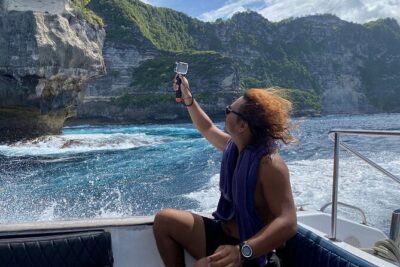
️Nusa Penida by Private Boat – Snorkeling 4 spots, Swim with Mantas + Land Tour
Read our review →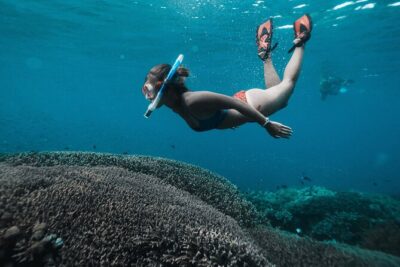
Nusa Penida day trip: boat, 4 snorkeling, Manta rays & Land tour
Read our review →
Nusa Penida Snorkeling Adventure (Private & All-Inclusive)
Read our review →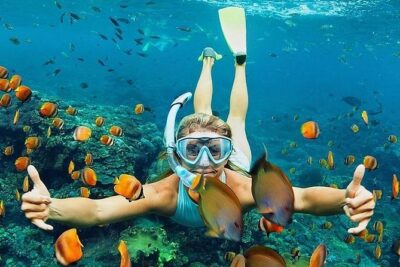
All Inclusive : Bali Blue Lagoon Snorkeling, Lunch, and Transport
Read our review →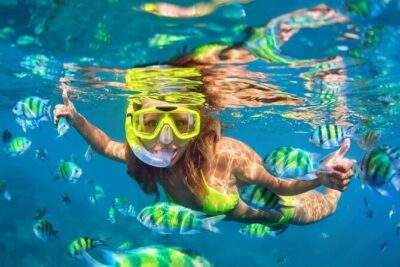
Blue Lagoon Snorkeling – Lunch – Kantolampo – Tibumana Waterfall
Read our review →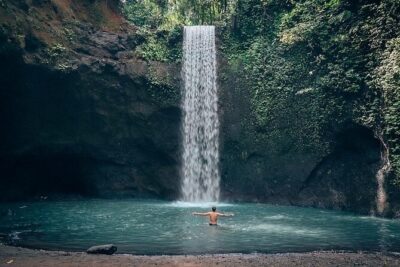
Bali Blue Lagoon Snorkeling with Private Transfer & Lunch
Read our review →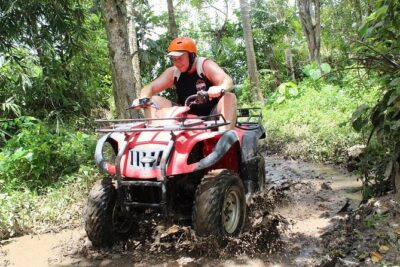
Quad Bike Ride and Snorkeling at Blue Lagoon Beach All-inclusive
Read our review →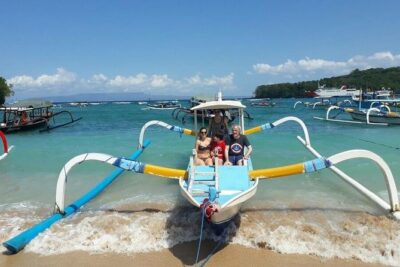
Browse the lists this tour appears in