
Reviewed · MANGROVE & KAYAK TOURS
Mangrove Reforestation and Exploration around the Nusa Islands
Mangrove planting is the heart of this experience, not a token stop added to a sightseeing day. You prepare young seedlings, plant 10 mangrove trees, and finish by seeing a thriving section of forest from a boat or canoe. It gives your time in the Nusa Islands a useful purpose.
I like the clear conservation work and the small group size, capped at 10 people. I also like the mix of hands-on planting, a local lunch with ocean views, and island exploration. The main consideration is mobility: muddy or uneven ground and boat or canoe access may not suit people with mobility challenges.
Key points at a glance

- Plant 10 young mangroves: You take part in direct restoration work rather than simply looking at a forest.
- Prepare seedlings for the next group: The nursery task extends your contribution beyond the trees you plant.
- Learn why mangroves matter: The program covers coastal protection, carbon storage, wildlife, and threats to the ecosystem.
- Explore two Nusa Islands: The day includes Nusa Lembongan and Nusa Ceningan, with lunch on Ceningan.
- Finish by water: A boat or canoe brings you into the active mangrove forest.
- Keep the group personal: A maximum of 10 people makes it easier to ask questions and get practical help.
A conservation day with real work at its center
This is not a quick photo stop beside a mangrove creek. The day is built around useful tasks. You collect and prepare seedlings in a nursery, then plant 10 young mangroves along the forest edge. That simple work gives you a better sense of how restoration happens, one plant at a time.
The program also explains why these trees matter to island communities. Mangroves help protect shorelines, store carbon, and provide habitat for wildlife. You also learn how human pressure threatens them and why replacing damaged growth takes care and time.
I appreciate that the schedule asks you to do more than place a seedling in the ground. Preparing plants for the next group shows the less glamorous side of conservation. Nurseries need continued attention, and the next planting session depends on work done before it.
The activity comes from Ecotourism Nusa Penida, a local community project with a nine-year history. The team describes itself as island native, so the experience is shaped by people who know the area and its environmental needs. No guide names are provided, but the program is designed around local assistance and explanation.
Other paddling trips near Nusa Penida:
- Nusa Lembongan Island: Snorkeling & Mangrove Forest Day Tour
★ 5.0 · 97 reviews - Bali Jungle Trekking and Lake Canoeing Tour
★ 5.0 · 84 reviews - Lembongan Snorkeling at Manta Bay, Crystal Bay and Mangrove
★ 5.0 · 56 reviews
Starting at Mangrove Point on Nusa Lembongan
The listed starting point is Ecotourism Nusa PenidaBuyuk on Jalan Ped, Nusa Penida. From there, private transportation is included, which matters because the day moves between islands and activity areas rather than keeping you at one fixed site.
The named stop is Mangrove Point on Nusa Lembongan. This is where the ecological side of the trip comes into focus. Instead of treating the mangrove forest as scenery, you get an explanation of its role and then take part in work connected to its future.
The order of every activity is not specified, so you should expect the day to be guided by local conditions and the practical needs of the planting area. The full experience lasts about seven hours, giving enough time for education, nursery work, planting, lunch, island touring, and the final boat or canoe visit.
Private transportation is included, along with fees and taxes. That makes the day easier to manage than arranging separate rides across Nusa Penida, Lembongan, and Ceningan. The activity ends back at the original meeting point.
Preparing seedlings before planting
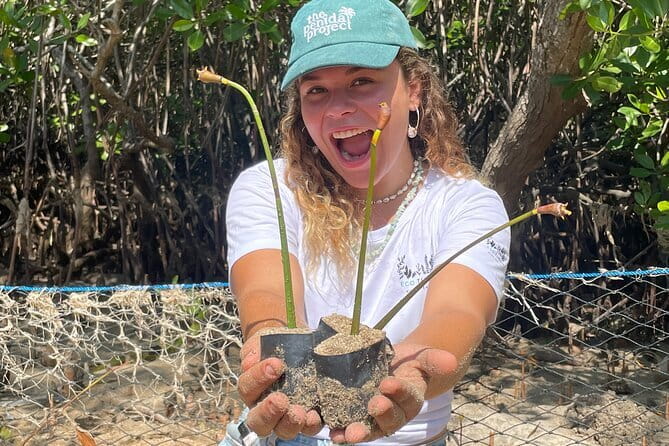
The nursery work is one of the most useful parts of the day. You collect and prepare mangrove seedlings, learning what must happen before a young tree can be placed at the forest edge.
This step also gives the planting work some context. A mangrove is not just a decorative plant for a visitor to put into the mud. It must be prepared, placed in a suitable location, and given a chance to survive. You may find this part less photogenic than the boat ride, but it is more revealing.
The program asks you to prepare seedlings for the next group as well as plant your own 10 trees. That detail matters. It means your contribution is not limited to the hours you spend on the island. Some of your work supports later sessions, too.
Expect to get your hands dirty. The wording of the activity makes clear that this is practical conservation, not a sit-down talk followed by sightseeing. Wear clothing and footwear you are comfortable getting wet or muddy. Specific clothing or equipment is not listed, so you should confirm any gear questions before booking.
Planting 10 mangroves along the forest edge
Planting ten trees is a clear, easy-to-understand goal. You can measure your contribution by the number of seedlings placed in the ground, while the education helps you understand why the work matters.
The forest edge is an important setting. Mangroves occupy the meeting point between land and water, where their roots help hold sediment and soften the force of waves. They also provide places for small animals and marine life to shelter. The experience focuses on these connections without asking you to be a specialist.
This is a good fit if you prefer active learning. You are not expected to spend the whole day listening to a lecture. The explanation comes alongside tasks, which can make the science easier to remember, especially for families and first-time visitors to a mangrove area.
A family can take part, and the activity information says most people can participate. One guide successfully explained the subject so children aged 10 and 12 could follow it, which suggests the teaching can be adjusted for younger participants. Still, muddy edges, uneven surfaces, and boat or canoe access may be difficult if you have limited mobility.
Same base, a different sort of day:
- ️Nusa Penida by Private Boat – Snorkeling 4 spots, Swim with Mantas + Land Tour
★ 5.0 · 6,424 reviews - Nusa Penida Two Dives Trip for Certified Divers
★ 5.0 · 197 reviews - Two fun dives morning trip (Certified Divers only)
★ 5.0 · 170 reviews - Snorkeling Manta Ray Safari in Nusa Penida
★ 4.0 · 167 reviews
What the mangrove lesson adds
The educational section covers four useful points: what mangroves do, why they matter to people, how they support an ecosystem, and what threatens them. You learn about shoreline protection and carbon storage, but the discussion also connects those subjects to everyday island life.
I especially like that the program treats mangroves as more than a backdrop for photographs. The forest is part of the islands’ natural protection system. Losing it can affect coastlines, wildlife, and the long-term health of nearby waters.
The scale of the group should help here. With no more than 10 people, you have a better chance of hearing the explanation and asking questions than you would in a large coach group. The small size also makes the planting work more orderly.
The available feedback includes praise from a biologist who still learned new material during the ecological talk. You do not need a science background to benefit. The activity is intended for general visitors, and the children’s experience suggests that the main ideas are explained in plain terms.
Lunch on Nusa Ceningan with time to breathe
After the hands-on work, the schedule includes a local lunch on Nusa Ceningan, with ocean views and an island setting. Lunch is included in the price, as are snacks, so you do not need to plan for a separate meal during the seven-hour outing.
This pause gives the day a sensible rhythm. Planting can be warm and physical, and a meal between the conservation work and the afternoon exploration gives you time to rest. The lunch is described as delicious by one participant, but the menu is not specified, so you should ask ahead about dietary needs.
The Ceningan stop also keeps the day from feeling like a single-purpose volunteer session. You are helping with restoration, then seeing another part of the Nusa Islands and enjoying a local meal. That balance is one reason the experience works well for people who want purpose without giving up the pleasures of an island day.
Ocean views are part of the setting, not a guaranteed private dining arrangement. Think of this as a local lunch stop included within a conservation outing, rather than a formal restaurant experience.
Exploring Nusa Lembongan and Nusa Ceningan
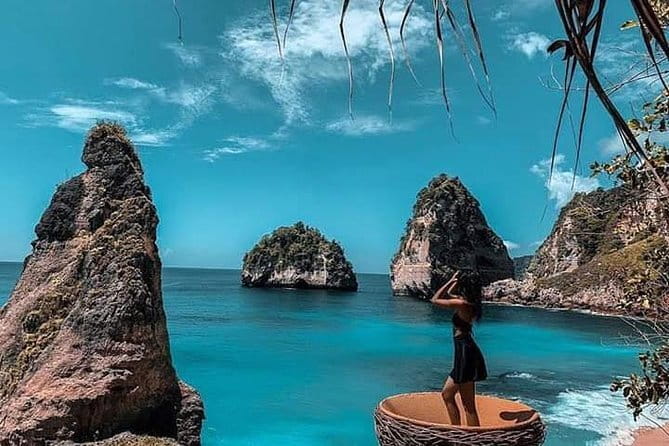
The wider island portion covers Nusa Lembongan and Nusa Ceningan. The description promises charm, lesser-known spots, and scenic views, though it does not name each sightseeing location.
That lack of a fixed list can be a plus if you want a flexible local day. The team can shape the route around the conservation work and current conditions. It is less suitable if you are comparing tours based on a strict checklist of famous viewpoints.
The two islands give the day variety. You begin with mangrove ecology and practical planting, eat on Ceningan, and then see more of the island setting before returning to the forest. You are not simply transferred from one attraction to another. The environmental theme stays connected to the place around you.
Private transportation is included, which is valuable on an itinerary involving multiple locations. You avoid having to organize separate transfers or negotiate each ride. The exact vehicle type is not given, so do not assume a particular level of comfort or a private car for every section.
Ending on the water by boat or canoe

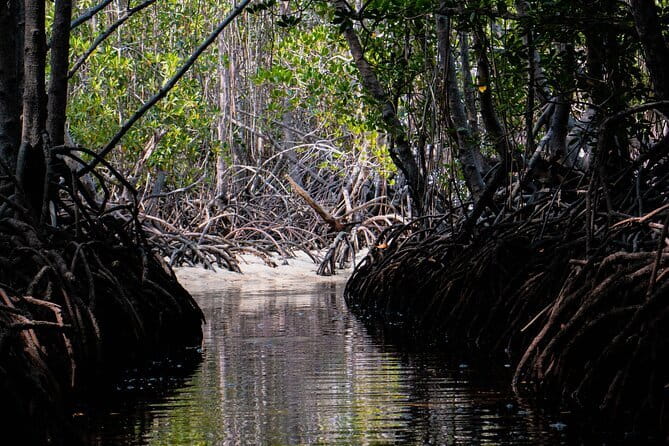
The final forest visit takes place by boat or canoe. You see the thriving part of the mangrove area from the water, a fitting end after planting at the forest edge.
A canoe may give you a quieter, closer view, while a boat could be easier for some participants. The provider does not specify which option each person receives or how that choice is made. If you have concerns about paddling, balance, or boarding, ask before booking.
This final section helps you see the difference between restoration work and an established forest. Young seedlings need time. Mature mangroves create a more complete habitat and a more sheltered waterway. The contrast can make the morning’s work feel concrete without pretending that ten trees transform a forest overnight.
The boat or canoe portion is also likely to be one of the most enjoyable parts for children. It changes the pace and gives the group a chance to observe the forest from inside its waterways. Service animals are allowed, but the practical details of boat access should be confirmed in advance.
Is $76.60 a fair price?
At $76.60 per person, the value depends on what you want from a day in the Nusa Islands. You receive private transportation, lunch, snacks, all fees and taxes, the conservation instruction, nursery work, planting, island exploration, and a boat or canoe outing.
That is a reasonable package if you would otherwise pay separately for transport, food, a mangrove trip, and sightseeing. The conservation work adds something that a standard scenic tour does not: you leave having completed a defined task.
The price is less compelling if you want a full sightseeing tour with many named attractions, long free time, or a luxurious boat excursion. Much of the day is devoted to education and physical participation. You are paying for purpose and access, not just transport to scenic points.
The maximum group size of 10 improves the value. A smaller group should mean more direct help during planting and a better chance to ask questions. The mobile ticket is convenient, and free cancellation is available if you cancel at least 24 hours before the start time.
Who should book this experience?
I would choose this for a visitor who wants to connect with the Nusa Islands through local environmental work. It suits solo visitors, couples, families with older children, and anyone who prefers a useful activity to another passive sightseeing loop.
It is also a good choice for people who want an introduction to mangroves without committing to a longer volunteer program. The day has a clear beginning and end, and you still get lunch, transport, and island views.
Families should note that the educational material can be made understandable for children, including children around 10 and 12. Parents should still consider muddy ground, heat, water access, and the physical nature of planting.
I would be cautious if you have mobility challenges. The provider says the activity is not recommended for people with mobility issues, and the day includes forest edges plus boat or canoe access. The activity is near public transportation, but that does not remove the physical demands once the program begins.
Should you book the mangrove reforestation day?
Book it if you want to plant 10 trees, learn why mangroves protect island communities, and spend part of your day doing practical conservation. The small group, included transport, lunch, and water-based forest visit make the $76.60 price easier to justify.
Skip it if your priority is a tightly scheduled list of famous sights or a relaxed day with no mud, physical work, or ecological talk. This experience asks you to participate.
For the right visitor, that is its strength. You get a real task, a local environmental story, and time on two Nusa Islands. It is a thoughtful alternative to simply passing through, and the seedlings prepared for the next group give the day a longer reach than your own visit.
FAQ
How long does the experience last?
The activity lasts approximately seven hours.
Where does the experience start and end?
It starts at Ecotourism Nusa PenidaBuyuk on Jalan Ped, Nusa Penida, Klungkung Regency, Bali. It ends back at the same meeting point.
How many mangrove trees will I plant?
You will plant 10 young mangrove trees along the forest edge.
Is lunch included?
Yes. A local lunch on Nusa Ceningan is included, along with snacks.
Does the price include transportation?
Yes. Private transportation, all fees and taxes, and a boat or canoe are included.
How many people can join the activity?
The experience has a maximum group size of 10 travelers.
Can I cancel for a full refund?
Yes. You can cancel at least 24 hours before the start time for a full refund. Changes or cancellations made less than 24 hours before the start time are not accepted for a refund.
Just added in Nusa Penida
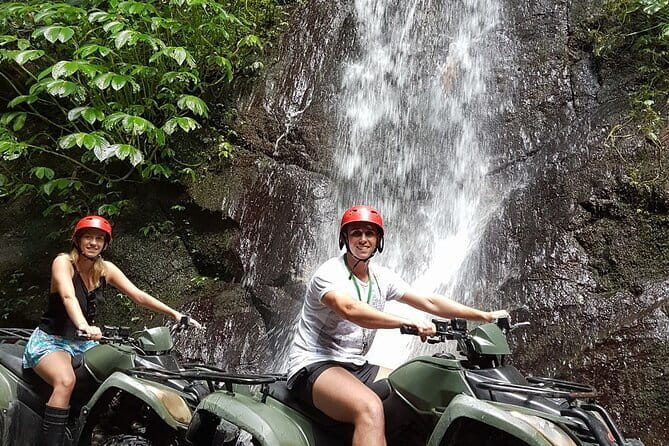
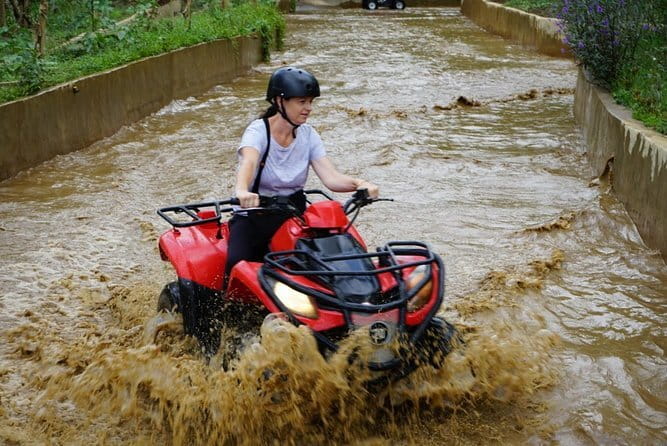
- Thrilling Off Road Adventure Explore Nature with ATV With Lunch★ 5.0 · 3 reviews
- Try Scuba Diving for Beginners with manta rays (Non – Certified)★ 4.5 · 31 reviews
- Seaweed Farming Activity and Sightseeing at Diamond Beach★ 4.5 · 3 reviews
- Snorkeling 3 Spots with GoPro & West Coast Tour Nusa Penida★ 4.5 · 5 reviews
- Try Freediving on Nusa Penida★ 5.0 · 30 reviews
- Certified Scuba Dive with Manta Rays (Open Water Diver minimum)★ 5.0 · 55 reviews
- One Day Nusa Penida Island East★ 5.0 · 29 reviews
- Snorkeling 4 Spot With Manta Bay Or Optional Land Trip★ 5.0 · 14 reviews
Mangrove & Kayak Tours, compared.
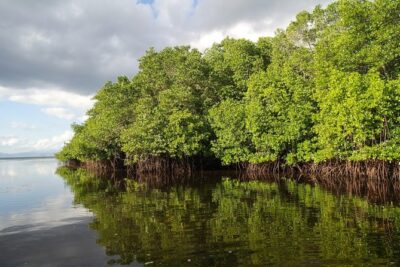
Nusa Lembongan Island: Snorkeling & Mangrove Forest Day Tour
Read our review →
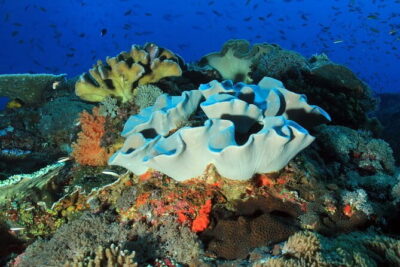
Lembongan Snorkeling at Manta Bay, Crystal Bay and Mangrove
Read our review →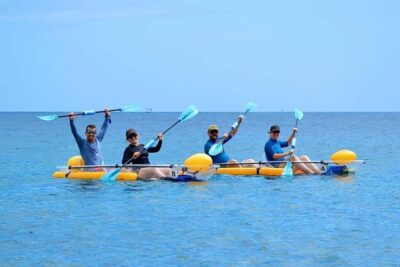
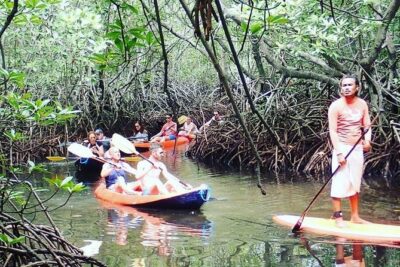
1 Hour Mangrove Tour From Lembongan with Kayak, Paddle, or Boat
Read our review →
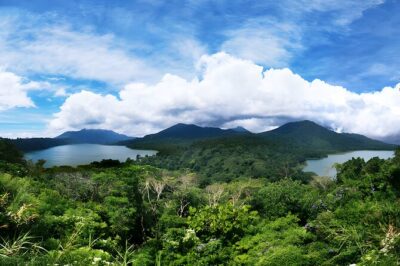
Jungle Trekking and Tamblingan Lake Canoeing in Bali Rainforest
Read our review →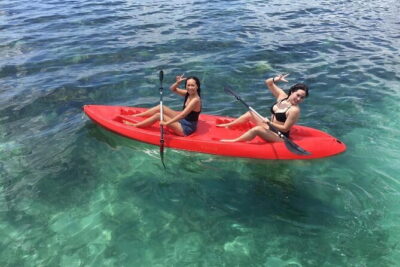
Bintan Island Snorkeling, Kayaking and Fun Fishing Activity
Read our review →Browse the lists this tour appears in