
Reviewed · COFFEE PLANTATION TOURS
Lokasari: Coffee Plantation Tour, Herbal Tea & Pure Honey
The most unusual part of this 90-minute Bali tour is the change of pace: you move from coffee trees to medicinal herbs, then on to stingless bee hives. The Luwak coffee lesson explains how civets select and digest ripe coffee cherries before the beans are cleaned, roasted, and brewed.
I like the fresh herb picking, which gives you something to do instead of simply watching a guide talk. I also like the chance to compare tangy Trigona honey with sweeter Tapis honey. The main drawback is time. Ninety minutes is enough for an introduction and tasting, but it can feel rushed if you want a long plantation walk or detailed questions at every stop.
Key points at a glance
- Luwak coffee from cherry to cup: See how the beans are processed, then taste the finished coffee while discussing the ethical questions around civet coffee.
- Fresh herbs you can pick yourself: Lemongrass, ginger, turmeric, rosella, cinnamon, hibiscus, vanilla, and other plants appear in the garden.
- Stingless bees up close: Watch gentle honey harvesting from Trigona and Tapis hives without the drama of a conventional bee visit.
- A useful stop for $6: The price covers the guided walk, tastings, tea garden, bee hives, parking, and toilet facilities.
- Easy for mixed-age groups: Children and seniors can join, and umbrellas are provided if rain arrives.
- A countryside break from Bali’s busy sights: You get a short, practical look at farming traditions rather than another standard sightseeing stop.
Coffee trees first, then the Luwak story
Lokasari Agrowisata begins at the main entrance of the plantation, near the large Kopi Luwak sign and traditional Balinese gate. Look for a guide in a Balinese madya uniform. The site is surrounded by greenery, and free parking makes it a straightforward stop if you are driving around Bali.
The first part is a guided walk through the coffee plantation. You learn about local coffee varieties, traditional farming methods, and ways growers care for the plants with attention to the surrounding environment. This is not a long mountain trek. It is a short farm visit, so comfortable walking shoes matter more than hiking gear.
The plantation gives useful context to the drink in your cup. Coffee is not just a powder in a packet here. You see where the cherries grow, how farming works, and how local knowledge passes from one generation to the next.
The centerpiece is Luwak coffee. A luwak, or civet, naturally chooses ripe coffee cherries and passes the beans through its digestive system. The beans are then collected, cleaned, roasted, and brewed. The process is unusual, and the tour explains it in a clear, practical way.
You should also treat this section as a chance to ask about ethics. Civet coffee has a complicated reputation. The important questions concern how the animals are kept, how the beans are sourced, and how much of the process is genuinely natural. The description of this tour explains the traditional process, but it does not give detailed information about the welfare standards used at the site. If that matters to you, ask your guide before buying or tasting.
You get a fresh cup as part of the explanation, and the traditional brewing tools help make the process easier to understand. I like this hands-on detail. It gives the coffee lesson a clear beginning, middle, and end: cherry, bean, brew.
Other plantation stops in Indonesia:
- Active Volcano, Rice Field, Hot Spring, Fruit market, Tea Plantation with Lunch
★ 5.0 · 513 reviews - Mount Batur Sunrise Trekking (Private, Breakfast and Visiting coffee plantation)
★ 5.0 · 27 reviews - Volcano, Hot Spring, Tea Factory, rice fields and Coffee Tour
★ 5.0 · 25 reviews
The herbal garden is more than a photo stop
The next area is a herbal tea garden filled with plants used in local cooking and traditional medicine. Lemongrass, ginger, turmeric, and rosella are specifically included, while other plants such as cinnamon, hibiscus, and vanilla may also appear during the walk.
You are invited to pick fresh herbs and use them to make your own infusion. That small act makes the garden memorable. Instead of hearing a list of plant names, you handle the ingredients and see how a simple cup of tea begins.
The guide introduces traditional uses for the plants. Keep in mind that this is cultural and agricultural information, not medical advice. The teas may be associated with local health traditions, but you should not treat the tasting as a substitute for medical care.
I would allow a few minutes to smell and compare the herbs. Ginger and turmeric have a warm, earthy character, while lemongrass is lighter and more fragrant. Rosella adds a different color and flavor. The exact tea blend may depend on what is growing and ready to pick on the day.
This section is especially good for families. Children can identify plants, touch the leaves, and see how an everyday drink is made. Older visitors may appreciate that the walking is gentle and the activity does not require strenuous effort.
The only limitation is the short schedule. If your guide spends extra time explaining coffee, the tea garden may receive less attention. If plants are your main interest, tell the guide early so you can make the most of this stop.
Stingless bees and two very different honeys
The bee visit gives the tour its strongest change of subject. You go from plants and coffee to stingless Trigona and Tapis bees. The hives offer a close look at a small-scale farm product, and the harvesting is presented as a gentle process.
You taste two honeys. Trigona honey is tangy and lightly acidic, with a character often described as probiotic-rich. Tapis honey is sweeter and more floral. Tasting them side by side is much more useful than hearing generic descriptions because the contrast is immediate.
Locals value these raw honeys as natural food products with health associations. The tour can explain those traditions, but it does not promise a medical result. If you have allergies, tell the operator in advance. That is particularly important here because the visit includes coffee, herbs, tea, and honey.
The bee area also adds a sustainability angle. Stingless bees can support pollination and provide honey without the same type of hive management used for stinging bees. The tour presents this as part of a wider relationship between farming and nature in Bali.
You may want to buy honey afterward. The on-site shop carries local products, but shopping is not required. The important point is that the tasting lets you decide what you actually like before spending more.
What the $6 price really covers
At $6 per person, this is a low-cost activity. The price includes the guided coffee plantation walk, the Luwak coffee explanation, access to the herbal garden, the stingless bee visit, herbal tea, honey tasting, traditional brewing tools, photo opportunities, parking, and a toilet.
That is good value if you are already near the plantation. Transportation is not included, so the final cost depends on how you reach the meeting point. You must arrange your own ride there and back.
The tasting allowance needs a little care. The inclusions describe free 16 coffee and tea testers with the purchase of one cup of Luwak coffee. The practical notes refer to a free tasting of 12 coffee and herbal tea varieties with that same purchase. Since those figures do not match, confirm the current tasting arrangement when you book.
I would not book this solely for an unlimited coffee tasting. The core value is the mix of farm walk, Luwak explanation, herbs, bees, and honey. The tastings are the pleasant finish, not the whole reason to come.
One cup of Luwak coffee may cost extra, depending on the current arrangement, and food beyond the listed tastings is not included. There is no full meal, so plan lunch separately if your visit falls around midday.
Same base, a different sort of day:
- All-Inclusive Ubud Private Tour
★ 5.0 · 14,344 reviews - Best of Ubud Full-Day Tour with Jungle Swing
★ 5.0 · 8,571 reviews - Ubud: Monkey Forest, Jungle Swing, Rice Terrace, and Water Temple
★ 5.0 · 7,160 reviews - ️Nusa Penida by Private Boat – Snorkeling 4 spots, Swim with Mantas + Land Tour
★ 5.0 · 6,424 reviews
Timing, access, and the meeting point
The activity lasts 90 minutes, with start times shown according to availability. That makes it easy to fit into a day of sightseeing, but it also sets a firm limit on how much detail you can receive.
The meeting point is the main entrance of the plantation, near the large Kopi Luwak sign on the roadside. The traditional gate and surrounding greenery help identify it. Your guide should be waiting in a Balinese madya uniform, which makes the meeting point easier to recognize.
English and Indonesian guides are available, and an audio guide is also provided in both languages. No individual guide names are supplied, so you should not expect to request a particular person. The guide’s role is important here because the value lies in explanation, not just scenery.
Book ahead, especially if your Bali schedule is tight. You can reserve now and pay later, and cancellation is free up to 24 hours before the activity for a full refund. Those terms are useful if your route around the island may change.
The paths run through natural farm areas. Wear shoes you can walk in, and bring a hat and sunscreen for midday. If it rains, umbrellas are provided. The site is suitable for children and seniors, and pets may come if they remain leashed and under control.
Tell the operator about allergies or accessibility needs before you arrive. The tour includes uneven outdoor areas, plants, coffee, tea, and honey, so advance notice helps the staff respond properly.
How the 90 minutes usually feel
The schedule has a simple rhythm:
- You meet at the plantation entrance and begin with the coffee trees.
- The guide explains local cultivation and the Luwak process.
- You see traditional brewing tools and taste coffee.
- You visit the herbal garden, identify plants, pick herbs, and prepare tea.
- You watch the stingless bee section and taste Trigona and Tapis honey.
- You have time for photographs and, if you wish, shopping at the site.
The order may vary, but the experience moves quickly between these sections. The strongest guides keep the explanations focused and leave enough time for tasting. Guides are described as attentive and friendly, and the best part of the experience is the chance to ask questions without feeling pressured to buy.
A guest who speaks English found the tour clear and appreciated that the guide continued chatting after the formal visit without pushing products. That is a useful sign for anyone who dislikes aggressive sales stops. Still, the shop is part of the setting, and you may be offered honey or coffee for sale.
The 90-minute length has both sides. It works well as a short stop and prevents the visit from eating half your day. It is less suitable if you want a slow botanical walk, detailed coffee science, or a long discussion about bee keeping. One visitor found the time too short, while others liked the balance and the tasting at the end.
Who will enjoy this plantation visit?
I would choose this for coffee drinkers, food-minded visitors, families, and anyone curious about Bali’s farming traditions. It is also a good choice if you have already seen temples and beaches and want a short countryside activity with a clear educational angle.
The visit suits you if you enjoy tasting several products and learning how they are made. The combination of coffee, fresh herbs, and two honeys gives you more variety than a standard coffee stop.
It may not suit you if you want a major attraction, a long walk, or a full agricultural workshop. The tour is introductory. You see and taste several things, but you do not spend hours working in the fields or harvesting coffee.
Coffee ethics also deserve attention. If Luwak coffee is central to your decision, ask direct questions about civet welfare and sourcing. The tour explains the traditional process, but the information provided does not establish a detailed animal-care policy.
Should you book Lokasari Agrowisata?
Book it if you want an affordable, easy-to-fit stop that combines coffee, herbs, and honey in one place. At $6, the price is strong, provided you are already arranging your own transport to the plantation.
The best reason to go is the variety. You can walk among coffee plants, make a fresh herbal infusion, compare two honeys, and learn about an unusual coffee process in one short visit. Just keep your expectations realistic: this is a 90-minute introduction, not a full-day farm course.
I would book ahead, wear practical shoes, and ask about the tasting quantity and Luwak sourcing before arrival. If those details suit you, Lokasari offers a friendly and useful glimpse of Bali’s agricultural traditions without taking over your whole day.
FAQ
How long does the Lokasari plantation tour last?
The tour lasts 90 minutes.
How much does the experience cost?
The listed price is $6 per person.
Is transportation included?
No. You must arrange transportation to and from the plantation.
Where is the meeting point?
Meet at the main entrance of the coffee plantation, near the large Kopi Luwak sign on the side of the road. Look for the traditional Balinese gate and surrounding greenery.
What languages are available?
Live guides speak English and Indonesian. Audio guides are also available in English and Indonesian.
What does the tour include?
It includes a guided coffee plantation walk, a Luwak coffee lesson, herbal garden access, a visit to Trigona and Tapis stingless bee hives, raw honey tasting, herbal tea, traditional brewing tools, photo opportunities, free parking, and toilet access.
Is the coffee and tea tasting included?
A free tasting of coffee and herbal tea varieties is available with the purchase of one cup of Luwak coffee. The supplied information lists either 12 varieties or 16 testers, so confirm the current arrangement when booking.
Is the tour suitable for children and seniors?
Yes. The activity is described as suitable for all ages, including children and seniors.
What should I bring or wear?
Wear comfortable walking shoes and consider bringing a hat and sunscreen. Umbrellas are provided if it rains. Tell the operator in advance about food allergies or accessibility needs.
Just added in Indonesia
- Ubud Village Sightseeing, Famous Paddy Field And Ubud Waterfall★ 5.0 · 4 reviews
- Private Nusa Penida Snorkeling Tour★ 5.0 · 30 reviews
- Bali Sekumpul with Fiji Waterfall & Bedugul Temple (Private Tour)★ 5.0 · 29 reviews
- Private Half-Day Tour: Tanah Lot Sunset Trip Packages★ 4.5 · 11 reviews
- Bali Ngurah Rai International Airport Pickup to Ubud Area★ 5.0 · 12 reviews
- Bali Private Car Charter with English Speaking Driver★ 5.0 · 54 reviews
- Bali Tour: The Best Way to Explore The Highlight of Bali★ 5.0 · 16 reviews
- Mount Batur Sunrise Trekking & Hot Spring Tour★ 5.0 · 54 reviews
Coffee Plantation Tours, compared.
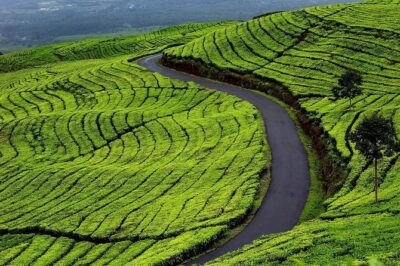
Active Volcano, Rice Field, Hot Spring, Fruit market, Tea Plantation with Lunch
Read our review →Mount Batur Sunrise Trekking (Private, Breakfast and Visiting coffee plantation)
Read our review →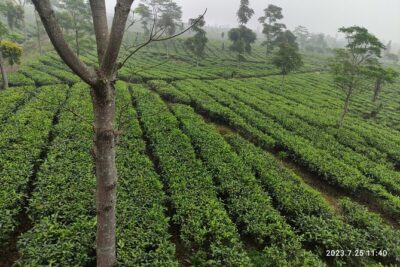
Volcano, Hot Spring, Tea Factory, rice fields and Coffee Tour
Read our review →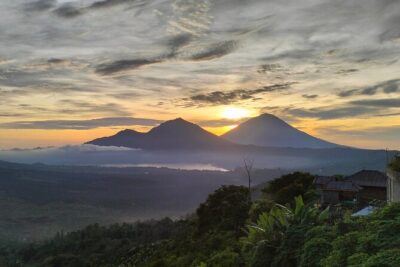
Batur Volcano Sunrise Trekking, Rice Teracce & Bali Coffee Plantation Tour
Read our review →Browse the lists this tour appears in