
Reviewed · VILLAGE & CULTURAL TOURS
Balinese Village Experience
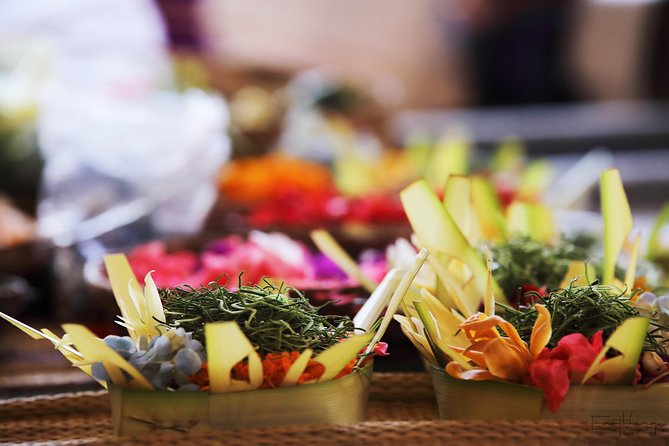
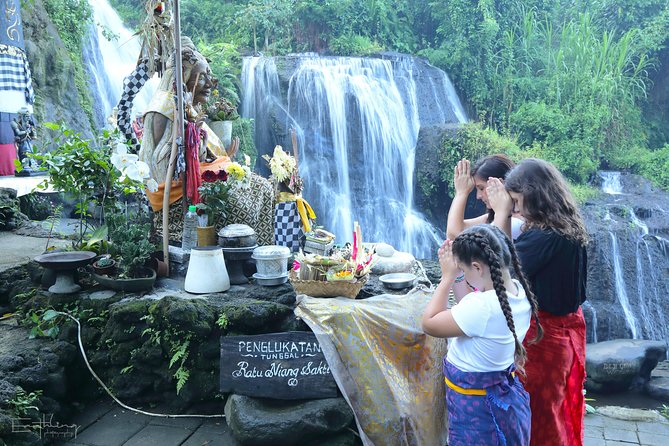
The heart of this experience is a visit to a real Balinese family compound in Pacung Sangeh, where Wayan Eric explains how home life, faith, food, and daily offerings fit together. You are not simply looking at village scenery from a vehicle. You take part in ordinary customs, including making canang sari and joining a cleansing ritual at a sacred water temple.
I like the hands-on format, especially the offering lesson, because it gives you something to do while explaining why Balinese Hindu practice appears throughout daily life. I also like the personal welcome from Eric and his family, plus the morning tea, Balinese cakes, coffee, and lunch at a scenic warung.
The main consideration is the long day and the spiritual nature of the temple visit. This is best for you if you want cultural contact and guided participation, not a fast list of photo stops. The village portion is described as about four hours, while the full experience lasts roughly seven hours with transfers.
Key points to know before booking
- Meet Wayan Eric and his family in their Pacung Sangeh home compound.
- Make canang sari offerings and learn how they connect to everyday Balinese Hindu life.
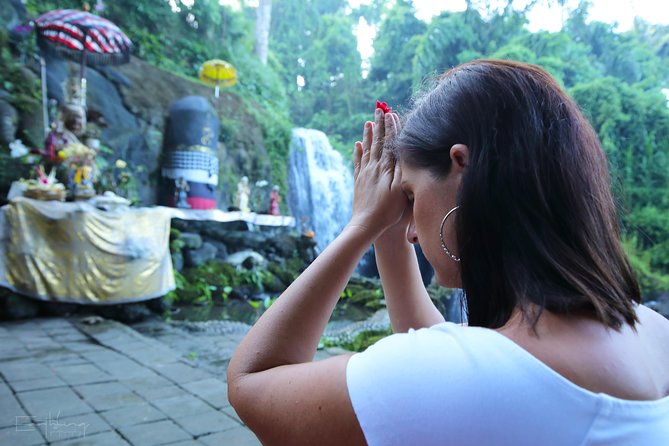
- Take part in a holy water blessing at a sacred temple, with a cleansing ritual included.
- Try Balinese cakes, coffee, morning tea, and lunch at a local warung.
- Use hotel pickup and drop-off from most south Bali hotels, with an 8:30 am start.
- Expect a small group of no more than 10 people, though confirmation depends on availability.
A family home gives the day its focus
Many Bali outings show you temples, rice fields, and scenic roads. This one puts a family home first. You enter a compound in Pacung Sangeh and meet a host who grew up there, rather than beginning with a guide’s broad lecture from a bus.
Wayan Eric and his family provide the human connection. You get a chance to see how the tour’s cultural themes relate to a real household. Balinese Hinduism is not treated as a distant subject. It is explained through food, family life, offerings, and the customs you encounter during the day.
The setting matters. A village compound gives you a closer look at local life than a resort district does, while the small group limit keeps the visit more personal. With a maximum of 10 people, you should have room to ask questions and follow demonstrations without feeling like part of a large crowd.
The exact order of activities can vary, but the day begins with a welcome and morning refreshments. Expect Balinese cakes with coffee and tea before moving into the practical part of the visit.
Other village days out of Kuta:
- Full Day Kintamani Volcano View and Ubud Village Tour
★ 5.0 · 183 reviews - Ubud Top Tours to Discover Bali’s Cultural and Natural Wonders
★ 5.0 · 106 reviews - Bali Cultural Experience
★ 5.0 · 92 reviews
Morning tea, cakes, and an introduction to Balinese life
Starting with food is a smart choice. You settle in, meet the family, and get a gentle introduction to local customs before the more ceremonial parts of the day.
The morning tea includes Balinese cakes and coffee. These are small details, but they help the visit feel connected to home life rather than arranged around sightseeing alone. Food also gives Eric an easy way to explain local habits and the role of family gatherings.
If you are visiting Bali mainly from a beach resort, this first stop offers a useful change of pace. Kuta can make Bali feel like a holiday strip of hotels, restaurants, and traffic. Pacung Sangeh presents a different side of the island, one built around a village setting and household traditions.
Families can do well here. One parent described Eric as patient with six and eight-year-old children, and the children particularly enjoyed taking part in the cleansing ceremony. That suggests the experience can work for younger participants who prefer doing something practical to sitting through a long historical talk.
Still, children should be prepared for a respectful cultural visit. The temple portion is not a staged show, and the blessing has a spiritual purpose. You will want to explain in advance that the group is joining a ritual, not simply watching one.
Making canang sari turns a custom into something practical
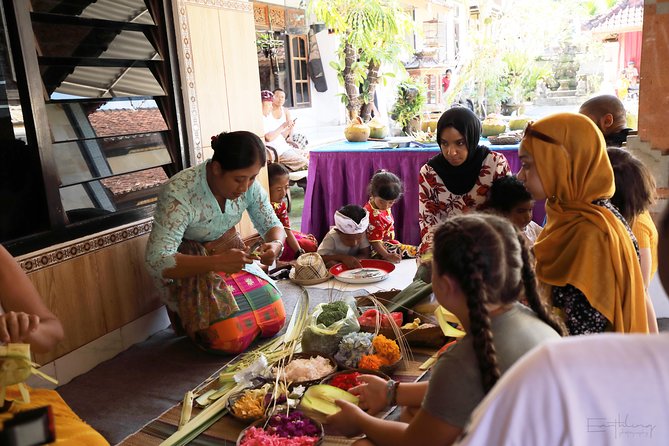
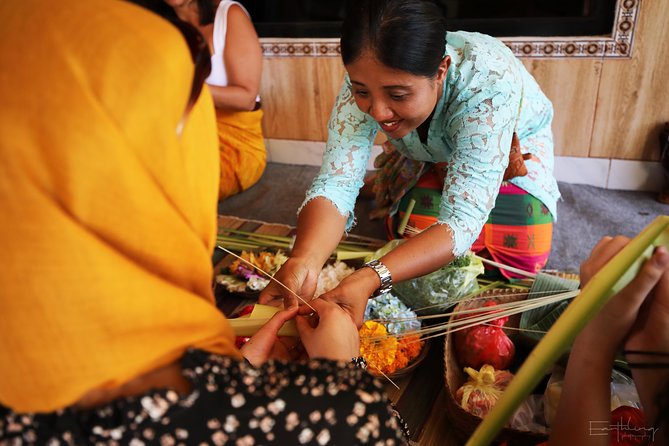
The offering lesson is one of the day’s strongest features. Canang sari are traditional daily offerings used in Balinese Hindu practice. You learn how to make them, then gain a clearer sense of why they appear around homes, temples, and other parts of everyday life.
This kind of activity is useful because it gives you a physical connection to a custom you might otherwise only photograph. You are not expected to arrive with prior knowledge. Eric guides you through the process and explains how faith influences daily routines.
I especially like this part for first-time visitors to Bali. A temple visit alone can leave you admiring the carvings without understanding what people are doing. Making an offering gives you a simple entry point into the belief system behind the visible details.
The activity also helps children and families stay engaged. It has a clear task, a finished object, and a cultural reason behind it. Couples and adult groups should find it worthwhile too, particularly if they want more than a standard sightseeing route.
Remember that this is a lesson in a living tradition. Follow the guide’s instructions, handle the materials respectfully, and avoid treating the offering as a souvenir. The value is in understanding its place in daily life.
A holy water temple brings a spiritual turn
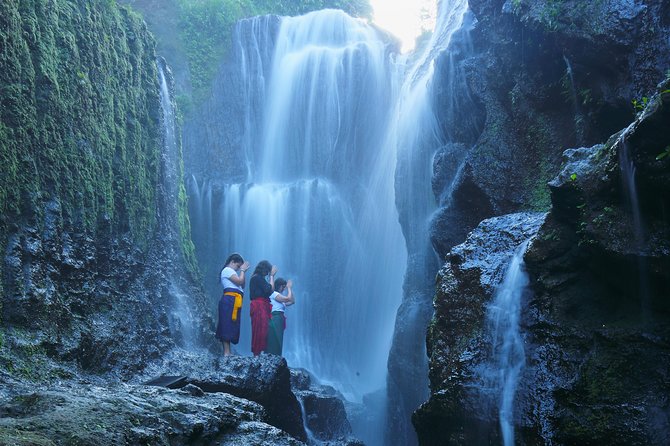
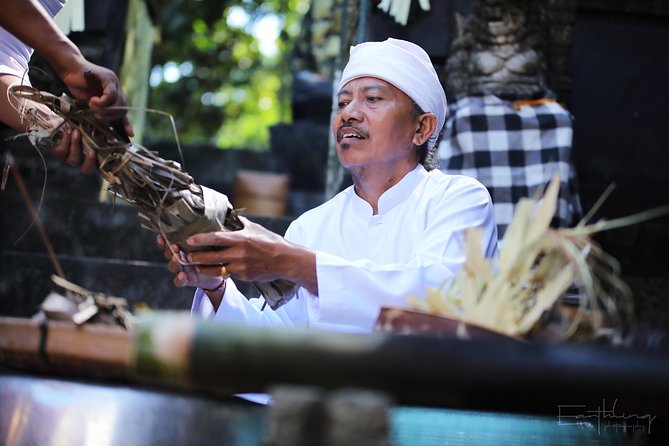
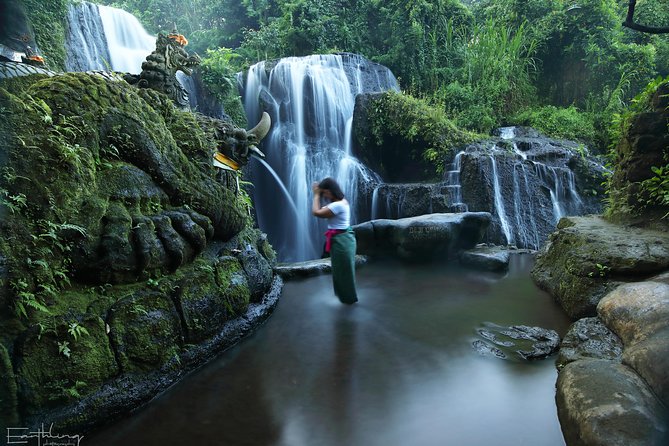
After the family visit and offering lesson, you head to a sacred water temple for a blessing ritual. The temple portion adds a more formal and spiritual layer to the day.
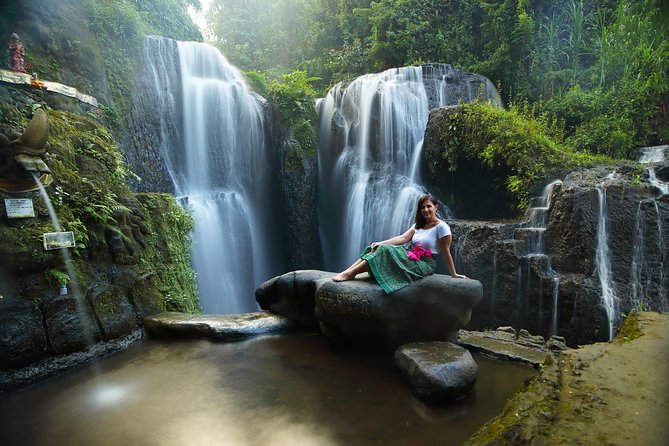
The experience includes a cleansing ceremony, and one account also describes a beautiful waterfall and caves connected with the holy blessing. Those natural features make this stop more memorable, but the main point remains the ritual and its religious meaning.
You should expect Eric to explain what is happening and guide you through the process. The experience is designed to let you participate, not leave you guessing about when to stand, what to do, or how to behave.
This is the part of the day that requires the most openness. If you are looking only for scenery, the temple may feel slower than a typical attraction. If you want to understand how religion shapes Balinese life, it is likely to be the most meaningful section.
Approach the blessing with respect. You do not need to share the same beliefs to appreciate the ceremony, but you should be ready to follow local guidance and treat the setting as sacred.
Same base, a different sort of day:
- Nusa Penida day trip: boat, 4 snorkeling, Manta rays & Land tour
★ 5.0 · 2,033 reviews - Bali Nusa Penida West Private All-Inclusive Tour
★ 5.0 · 1,277 reviews - Mount Batur Sunrise Trekking Private Tour with Breakfast and Hotel Transfer
★ 5.0 · 885 reviews - Individual Bali Day Trip with Private Driver and Free WiFi
★ 5.0 · 755 reviews
Lunch at a scenic warung keeps the day local
Lunch is served at a scenic warung, a small local eating place. The meal provides a break after the cultural activities and gives you another way to experience Balinese food outside a hotel dining room.
The food is described as typical Balinese fare, and the day also includes the cakes and drinks served earlier. The meal is part of the experience rather than an optional extra, which makes the $70 price easier to assess.
Do not expect a polished restaurant setting or a broad menu built for international tastes. A warung is appealing precisely because it is more casual and local. The tradeoff is that the meal may feel simpler than what you would find at a resort.
One account specifically describes the lunch as delicious, and the scenic setting adds to its appeal. You can use this pause to ask Eric more questions, reflect on the temple visit, and enjoy a slower part of the day before returning to your hotel.
What the $70 price really covers
At $70, this is not the cheapest way to spend a day in Bali. It is also not simply a four-hour village walk. The price includes a roughly seven-hour experience, hotel pickup and drop-off from most south Bali hotels, a local guide, the family visit, morning refreshments, the offering activity, the temple blessing, and lunch.
That package has practical value. Transport from the Kuta area can save you the trouble of arranging a driver, finding the village, and coordinating separate temple and food stops. For a first visit, having one person explain the customs throughout the day can be worth more than visiting the same places independently.
The value depends on your interests. If you want beaches, nightlife, or a packed list of major attractions, $70 may be better spent elsewhere. If you want a personal look at Balinese family life and religious practice, the cost is easier to justify.
The small group limit also matters. A group of no more than 10 people is more suitable for a home visit than a large coach group. You have a better chance to hear the explanations, ask questions, and take part in the activities without crowding the family compound.
Pickup from south Bali makes the morning easier
The stated start time is 8:30 am, with pickup offered from most south Bali hotels. This is convenient if you are staying in Kuta or another south Bali base and do not want to arrange your own transport.
The transfer is more than a minor perk. Pacung Sangeh is away from the main resort strip, so direct pickup removes one of the day’s main sources of stress. You can begin the experience without negotiating a taxi or working out a meeting point on your own.
Allow for the fact that the seven-hour estimate includes transportation and the scheduled activities. The village portion is described as four hours, so the remaining time may involve driving, hotel pickup, and drop-off. Keep the rest of your evening flexible rather than booking a tight dinner reservation.
Confirmation is sent within 48 hours and depends on availability. The experience also requires a minimum number of participants. If that minimum is not met, an alternative date or experience, or a full refund, is offered.
The cancellation rule is strict: the booking is non-refundable and cannot be changed for any reason. Only book once your plans are firm.
Who will enjoy this Balinese village day
I would recommend this experience most strongly to you if you fit one or more of these groups:
- You want to understand Balinese Hindu customs through participation.
- You prefer a family visit to a standard sightseeing circuit.
- You are staying in south Bali and value included hotel transport.
- You are traveling with children who enjoy crafts and guided activities.
- You want a small group rather than a large bus tour.
- You are comfortable entering a spiritual setting respectfully.
Families appear particularly well matched. The offering activity and cleansing ceremony give children clear things to do, while Eric’s patient approach can make complicated customs easier to follow.
It also suits couples or solo visitors who want a more personal cultural day. You will have time to speak with the host, eat local food, and ask questions that might never arise during a regular temple stop.
You may want to skip it if your priority is independent exploration, strenuous outdoor activity, or a full schedule of famous sights. The appeal here is connection and explanation, not speed.
Small details that will improve your day
Wear clothing suitable for a temple visit and be prepared to follow the guide’s instructions during the blessing. The supplied information does not specify a dress code, so ask the operator if you need exact clothing guidance before departure.
Bring an open mind and a few questions. You might ask how offerings are used at home, how village life differs from resort life, or how the family marks religious occasions. A personal visit becomes more rewarding when you take part in the conversation.
Keep your schedule light after the tour. The full outing lasts about seven hours, and pickup and drop-off times can add flexibility to the day. The 8:30 am start also means this is a morning commitment, not a late-day activity.
Service animals are allowed, and most people can participate. No special physical requirements are stated, but the temple ritual and village setting may involve movement between different areas. If you have specific mobility concerns, confirm the details before booking.
Should you book the Pacung Sangeh experience?
Book it if you want Bali explained through a family, a handmade offering, a local meal, and a sacred ritual. The strongest reasons are the personal welcome from Wayan Eric, the chance to make canang sari, and the guided water blessing at the temple.
The $70 price is fair when you count the transport, food, small group size, and full-day structure. It is less compelling if you want a cheap transfer or a quick temple visit.
For families, first-time visitors, and anyone tired of resort-only Bali, this is a thoughtful choice. Just commit to the fixed booking, allow most of the day, and approach the temple portion with respect.
FAQ
Where does the Balinese Village Experience take place?
The experience takes place in Pacung Sangeh village, with a visit to a local family compound and a sacred water temple.
Where does the tour start?
Pickup begins at 8:30 am from most south Bali hotels. The exact pickup arrangement depends on the booking.
How long does the experience last?
The full experience lasts approximately seven hours. The village activity itself is described as about four hours, with the rest of the time including transfers and other parts of the day.
Is hotel pickup included?
Yes. Two-way pickup and drop-off are included for most south Bali hotels.
What food is included?
The day includes Balinese morning tea, cakes, coffee, and lunch at a scenic warung.
Will I visit a Balinese family home?
Yes. You visit a real family compound and meet Wayan Eric and his family.
Will I make a traditional offering?
Yes. You learn how to make canang sari, the traditional daily offerings used in Balinese Hindu practice.
Does the tour include a temple blessing?
Yes. The experience includes a visit to a sacred water temple and a cleansing or blessing ritual.
How many people can join the tour?
The maximum group size is 10 people.
Can I cancel or change my booking?
The experience is non-refundable and cannot be changed for any reason. If the operator cancels because the minimum number of participants is not reached, you can choose another date or experience, or receive a full refund.
Just added in Kuta
- Your Fragrance Selection: Bali Perfume Workshop and Creations★ 5.0 · 3 reviews
- Nusa Penida 4 Spot Snorkeling with Manta and Island Tour★ 4.5 · 11 reviews
- Ubud Highlights Rice Terraces, Temple, Waterfall & Monkeys forest★ 5.0 · 23 reviews
- Bali Atv Riding through Cave and Waterfall★ 5.0 · 18 reviews
- Experience West Nusa Penida Private Tour★ 4.5 · 14 reviews
- Premium White Water Rafting and Jungle Buggies in Bali★ 4.0 · 15 reviews
- Indonesia: Waterbom Bali Entry Ticket★ 4.5 · 6 reviews
- Waterbom Bali Tickets – Single Day Pass★ 5.0 · 5 reviews
Village & Cultural Tours, compared.
Bali Full-Day Traditional Village Sightseeing Trip All Inclusive
Read our review →
Kintamani Cultural and Nature Cycling Tour ( Manual Bike )
Read our review →
Full Day Kintamani Volcano View and Ubud Village Tour
Read our review →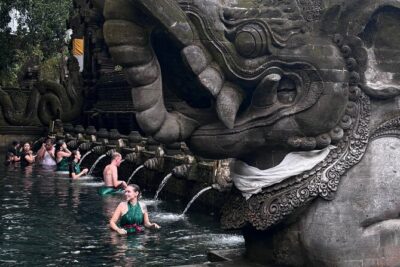
Ubud Top Tours to Discover Bali’s Cultural and Natural Wonders
Read our review →

Browse the lists this tour appears in