
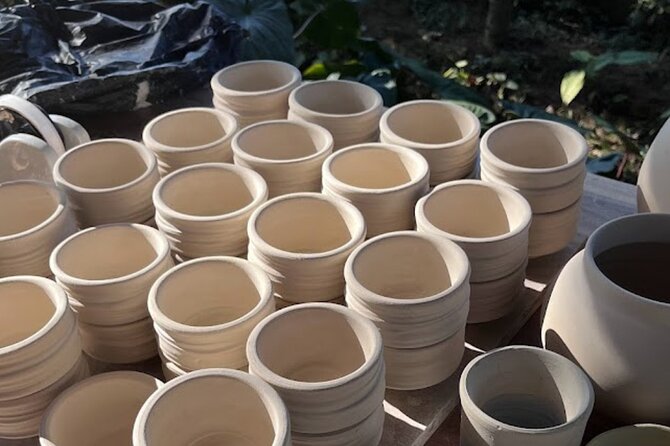
Reviewed · SILVER & CRAFT WORKSHOPS
Ubud Pottery Ceramic Class in Bali
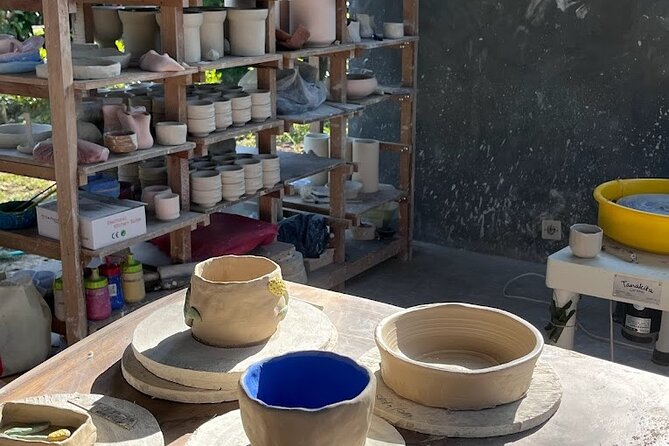
A Bali pottery class gives you something many sightseeing stops cannot: time to sit still, work with your hands, and make an object tied to your own visit. At Tana Ampo Pottery Studio, near Singapadu in the Gianyar area, you use 2kg of clay and learn basic methods from local artisans in a garden setting.
I like the hands-on format and the chance to try both hand-building and wheel work. I also like the small group limit of 10, which should give you room to ask questions rather than simply watch a demonstration. The main consideration is location: the studio is about 30 minutes from central Ubud, and traffic can make the trip longer.
Key points to know before booking
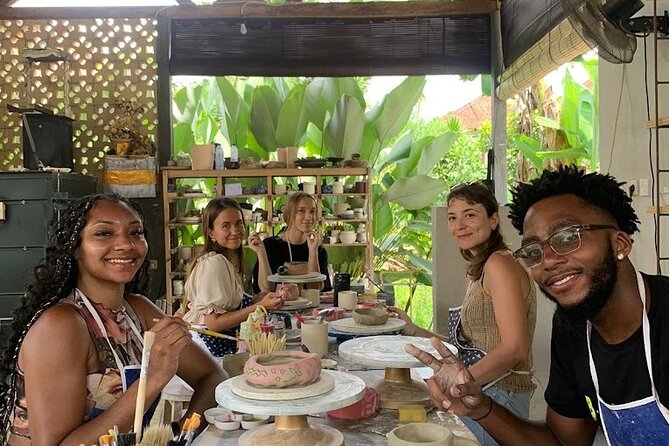
- Two pottery methods may be included: You can work by hand and may also try the pottery wheel, giving the class more variety than a simple craft demonstration.
- You receive 2kg of clay: That is enough material for a meaningful practice session and possibly two pieces.
- The studio is outside central Ubud: The meeting point is Tana Ampo Pottery Studio in Central Singapadu, not central Nusa Dua or central Ubud.
- Plan four spare days if you want your work: Finished pottery may need time before collection, so do not schedule this on your final day.
- The class lasts about three hours: It is long enough for instruction and making, but still fits into a half-day plan.
- The group is capped at 10 people: This keeps the activity fairly personal and manageable for beginners.
What happens during the three-hour pottery class
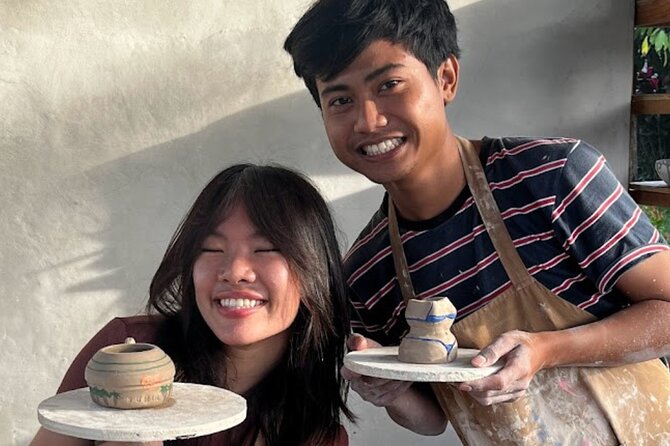
The class begins at Tana Ampo Pottery Studio, located at C793+8PH, Central Singapadu, Sukawati, Gianyar Regency, Bali 80582. The activity starts and ends at this meeting point, so you need to arrange your own way there unless your booking provides separate transport information.
The setting is part of the appeal. The studio is described as sitting in a beautiful garden, a calmer place to work than a busy commercial attraction. You are not racing from one stop to another. Instead, the class gives you a block of time to focus on clay, simple tools, and the guidance of the studio team.
At the start, local instructors take you through the basics. You learn how clay behaves, how it can be shaped, and how to add your own touches. The class is aimed at beginners, so previous pottery experience is not required. If you already work with clay, you can still use the session to practice rather than simply follow a sightseeing demonstration.
The available class experience includes both hand-building and wheel work. One piece can be made by hand, while another may be shaped on the wheel. These techniques feel quite different. Hand-building gives you more direct control over the form, while the wheel demands steady hands and patience as the clay spins.
Do not worry if your first attempt looks uneven. Pottery is one of those activities where the process matters as much as the finished shape. The instructor’s role is to help you understand the basic movements, correct problems, and keep the clay workable. The practical benefit of a guided class is that you can learn from mistakes instead of spending the whole session guessing.
You work with 2kg of clay, which gives you enough material to make more than one small experiment. The class description focuses on shaping, molding, and personal decoration, so you should expect a creative session rather than a formal art lesson with a long lecture.
Other things to make with your hands in Nusa Dua:
- Bali Art Experience: Batik Painting & Cultural Connection
★ 5.0 · 3 reviews - Ubud Silver Class Jewelry making in bali
★ 5.0 · 978 reviews - Crafting Heritage Batik Painting Workshops
★ 5.0 · 164 reviews
Why the local setting adds value
Pottery is closely tied to everyday life in Bali. Clay objects can be useful as vessels, containers, flower pots, and decorative pieces. A class like this offers a small, practical connection to that craft tradition because you are not only looking at finished ceramics in a shop. You are handling the raw material and learning the basic work behind it.
That does not make the activity a full study of Balinese pottery. You should not book it expecting a long cultural lecture or a museum-style presentation. Its cultural value comes through the setting, the local instruction, and the chance to practice a traditional craft with people who work in it.
I also appreciate the educational side. You learn that not all soil can be used for ceramics and that different clay types and mixtures behave in different ways. Those details help you understand why a handmade bowl or pot is more than a decorative purchase.
The garden setting supports the mood. You may find it easier to concentrate here than in a crowded market or shopping center. For families, friends, and couples, the class offers a shared task without requiring anyone to be artistic. The clay gives you something to do together, and the finished pieces provide a physical reminder of the afternoon.
Hand-building and the pottery wheel
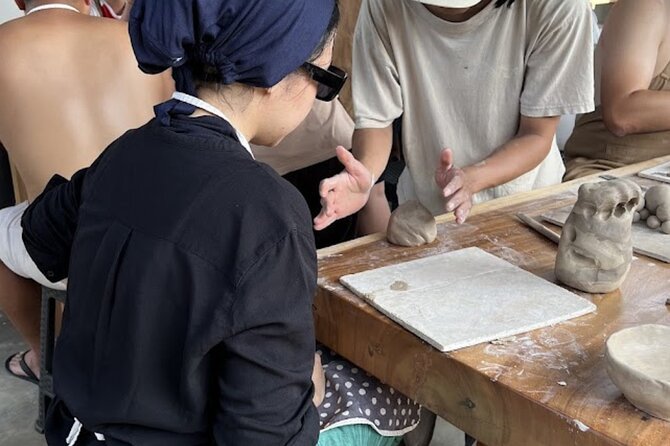
Hand-building is usually the friendlier starting point for a first pottery class. You shape the clay directly with your fingers and simple tools, adding texture or adjusting the form as you go. This method allows you to make an object with a more individual shape, even if it is not perfectly symmetrical.
Wheel work is more demanding. The clay must be centered, and your pressure needs to stay even while the wheel turns. Beginners can find this tricky, but that is also what makes it memorable. You quickly understand why pottery requires practice.
The class offers a useful contrast between the two methods. Hand-building shows you how much you can do without machinery. Wheel throwing shows you how movement and balance affect the final form. Even a short attempt gives you a better feel for the craft.
You may be able to make two pieces, one by hand and one on the wheel. Since the exact class flow can depend on timing and instruction, I would treat that as the likely format rather than a guarantee of a specific finished object. The firm detail is that 2kg of clay is included and the session is guided.
The instructors teach from the basics, which matters if you have never touched a pottery wheel. Clear explanations can make the difference between an enjoyable first attempt and a frustrating one. The small group size should also help if you need extra assistance with shaping or centering.
What happens to your finished pottery
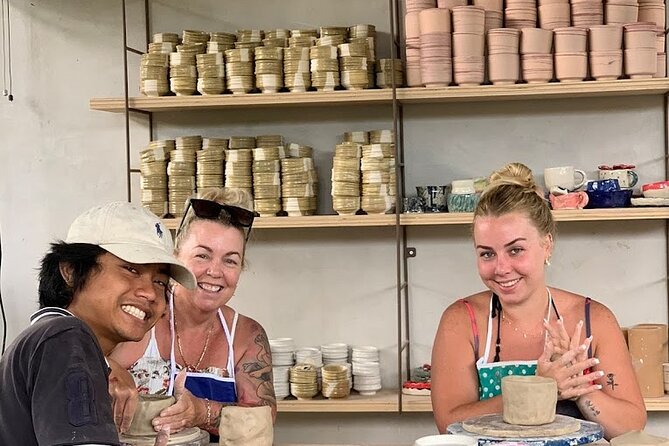
The most important practical detail is timing. If you want to take your work home, you need at least four days remaining after the class. That warning should shape your Bali schedule.
Do not place the class on the last day of your trip. You need time for the pieces to be finished and ready for collection. The supplied information does not specify the exact collection process, firing time, or whether shipping is available, so ask the studio about those details before you begin.
This is a good reason to book the class early in your stay. You will have more flexibility if the work needs additional time. It also avoids the disappointment of making something personal and then discovering that you cannot collect it before leaving Bali.
The finished pottery may not look like a polished shop product. Handmade pieces often have small variations, and those irregularities are part of the point. If you want a flawless souvenir, buy a finished item. If you want something you helped make, this class offers better value.
Same base, a different sort of day:
- Nusa Penida One Day Trip with All-inclusive
★ 4.5 · 743 reviews - Bali Instagram Tour – Lempuyang Bali Gate of Heaven
★ 5.0 · 149 reviews - Bali Parasailing Adventure,Banana Boat,Jet Ski and Donut Boat with Transfers
★ 5.0 · 130 reviews - Devdan Show
★ 4.5 · 113 reviews
The location problem: Singapadu, not central Ubud
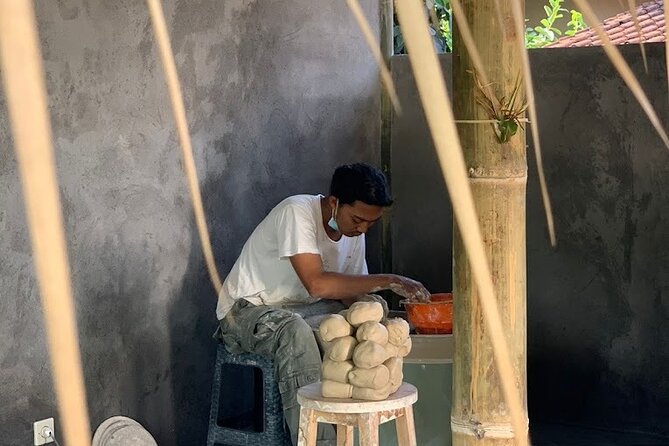
The experience is marketed as an Ubud pottery class, but the meeting point is in Central Singapadu, Sukawati, in Gianyar Regency. That distinction matters because the studio is outside central Ubud.
The drive from central Ubud can take around 30 minutes, and traffic may extend the journey. From Nusa Dua, the trip may also require careful planning, since the listed location and the headline location are not the same area. Check your route and allow extra time rather than arriving rushed and late.
The activity does not include personal expenses, and no transport inclusion is listed. You should therefore confirm how you will get to Tana Ampo Pottery Studio before booking. The mobile ticket is convenient, but it does not solve the distance problem.
I would pair the class with other plans in the Gianyar or Singapadu area if that fits your day. Do not assume you can casually walk to it from a central Ubud hotel. This is the biggest logistical weakness of the experience, but it is also what helps keep the studio away from the busiest tourist streets.
Is $31.31 a fair price?
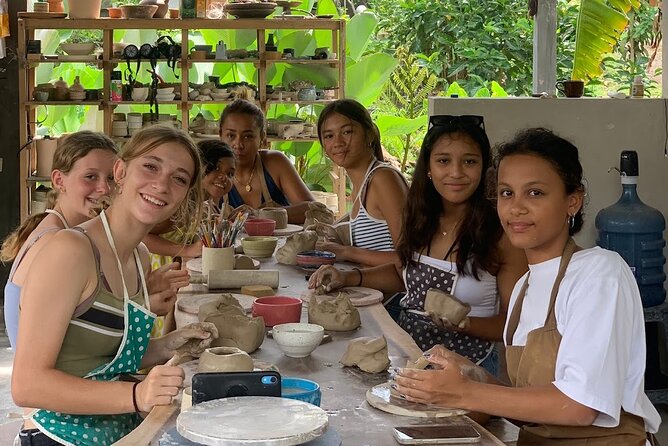
At $31.31 per person, the price is reasonable for a three-hour guided activity that includes 2kg of clay. You are paying for instruction, studio time, materials, and a creative experience rather than just admission to a place.
The value improves if you actually use the class time fully and make more than one piece. It is also a good deal for people who want a cultural activity but are not interested in a long temple visit, a cooking lesson, or another shopping stop.
The price does not include personal expenses, and transport is not listed among the inclusions. If you need to pay for a private ride to the studio, include that in your total budget. The class itself is modestly priced, but the final cost depends on how you reach Singapadu.
The average booking window is six days in advance. That suggests you do not need to reserve months ahead, but I would still book before your trip if your schedule is tight. A small group limit of 10 can make popular dates unavailable, especially if you need an early slot in your itinerary to allow time for collecting your pottery.
Who will enjoy this class most?
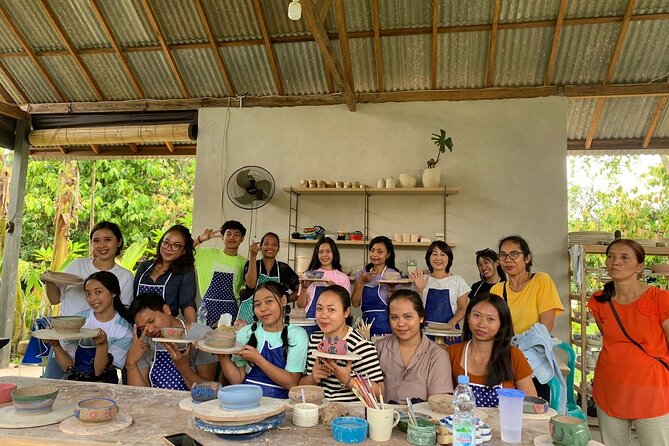
I would recommend this activity to first-time potters, families, couples, and friends who want an active afternoon. You do not need an art background, and the instructors begin with basic techniques.
It is also a good fit if you prefer making something over simply buying a souvenir. The object you create may be imperfect, but it will be connected to your own time in Bali.
The class suits people who enjoy a slower pace. You spend about three hours at one studio rather than moving quickly between sights. If you like quiet, focused activities, that is a strength.
I would be more cautious if your Bali schedule is packed or if you are staying far from Singapadu and have no spare time for traffic. The class ends where it begins, so you need to plan the return journey yourself.
It may also disappoint anyone expecting a highly polished professional workshop. The experience is designed as an accessible introduction, not an advanced ceramics course. Its strength is participation, not technical depth.
Booking details and cancellation
Confirmation is provided at the time of booking. The mobile ticket makes it easy to keep the reservation on your phone.
Most people can participate, and the maximum group size is 10. No special fitness requirement is listed, but pottery involves working with your hands and sitting or standing through a three-hour class.
Cancellation is free if you cancel at least 24 hours before the local start time. Cancellations made less than 24 hours in advance are not refunded, and changes within that period are not accepted.
Because the studio is outside central Ubud, I would confirm the exact meeting instructions and plan your route before the day of the class. The official meeting point is more useful than relying on the broad label of Ubud.
Should you book the Ubud pottery class?
Book it if you want a personal, hands-on activity and have at least four spare days left in Bali for your pottery. The combination of 2kg of clay, local guidance, hand-building, and possible wheel work gives you more substance than a quick craft stop.
The class is especially worthwhile for families and beginners. You can learn the basics, make something with your own hands, and spend a quiet few hours in a garden studio.
Think twice if you are staying in Nusa Dua, have no transport plan, or are leaving Bali soon. The distance to Singapadu and the four-day collection warning are not minor details.
For the right schedule, $31.31 is a sensible price for a creative cultural experience. I would book early in the trip, confirm how the finished pieces are collected, and treat the drive as part of the plan rather than an afterthought.
FAQ
Where does the pottery class take place?
The class takes place at Tana Ampo Pottery Studio, C793+8PH, Central Singapadu, Sukawati, Gianyar Regency, Bali 80582, Indonesia.
Is the class in central Ubud?
No. The meeting point is in Singapadu, outside central Ubud. The drive from central Ubud takes about 30 minutes or longer depending on traffic.
How long does the pottery class last?
The experience lasts approximately three hours.
How much clay is included?
The class includes 2kg of clay for each participant.
Can beginners join the class?
Yes. The class teaches basic pottery techniques, and most people can participate.
Will I use a pottery wheel?
Wheel work may be part of the session. The class also includes hand-building, and the format can allow you to make one piece by hand and another on the wheel.
Can I take my pottery home?
You need at least four remaining days if you want to take your work home. The exact collection process is not specified, so confirm the details with the studio.
What is included in the price?
The price includes the guided pottery class and 2kg of clay. Personal expenses are not included.
How many people can join the class?
The maximum group size is 10 people.
Can I cancel for a full refund?
Yes, if you cancel at least 24 hours before the experience start time. Cancellations made less than 24 hours in advance are not refunded.
Just added in Nusa Dua
- Bali Private Tour: Waterfall, Monkey forest and Tanah lot sunset★ 5.0 · 12 reviews
- Ubud Private Tour From Cruise Port Benoa Bali All Inclusive★ 4.5 · 13 reviews
- Besakih Mother Temple Tukad Cepung East Bali Private Guided Tour★ 5.0 · 5 reviews
- Traditional Bali Massage 90 minutes at Nusa Dua Bali★ 4.5 · 8 reviews
- Ubud Countryside Sightseeing Tour by ATV Ride★ 4.5 · 3 reviews
- Ubud Bali ATV Quad Bike Legong Temple cave with Lunch and Pool★ 5.0 · 6 reviews
- A La Carte Spa – 180min Custom Plan★ 5.0 · 7 reviews
- Sunrise With Fisherman Shot Tour in Bali★ 5.0 · 11 reviews
Silver & Craft Workshops, compared.
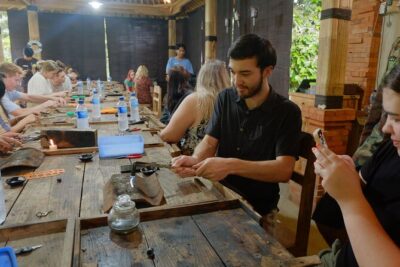
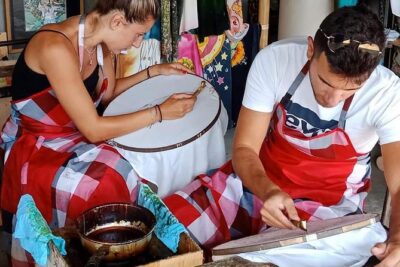

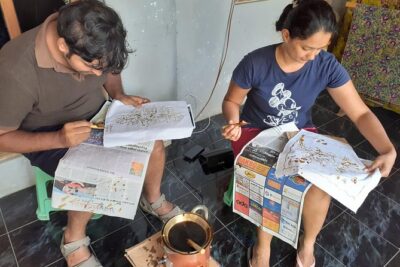
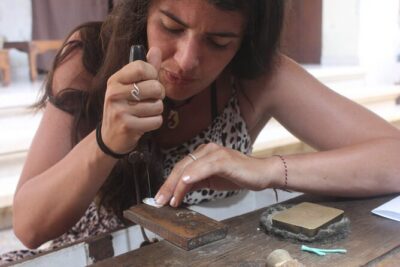
Private Traditional Bali Silver Jewelry Making Class
Read our review →
Kuta Bali Silver Jewelry Making Class Near Kuta Beach
Read our review →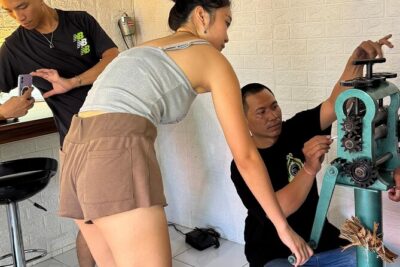
Silver Jewelry Making Class in Seminyak and Legian
Read our review →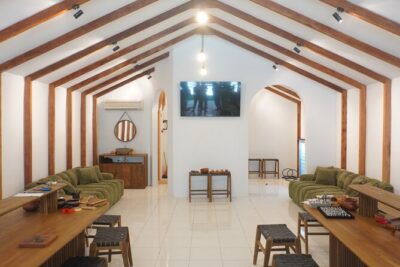
Bali Seminyak Silver Class Activity and Take Your Own Creation
Read our review →Browse the lists this tour appears in