
Reviewed · SCUBA DIVING
Sanur Open Water Course learn diving in 3 Days – Get certified & Dive everywhere
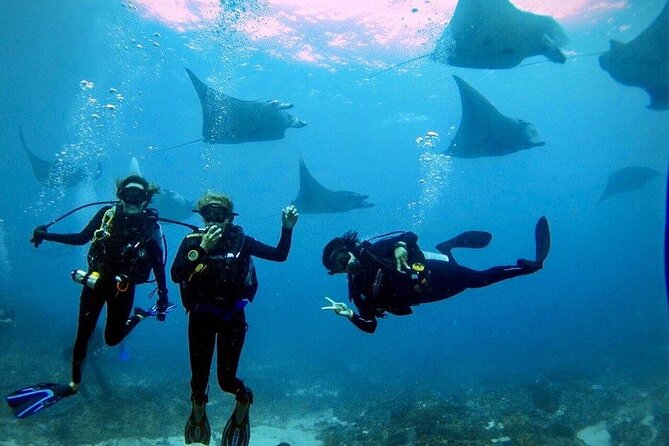
The big appeal here is simple: in just three days, you go from beginner to PADI Open Water certification, with pool practice in Sanur followed by four sea sessions. The final location may be Padang Bai, Tulamben, or, for an extra cost, Nusa Penida, depending on conditions.
I like the small maximum group of six, which gives you more room to ask questions and work at a comfortable pace. I also like the practical package: equipment, hotel pickup and return, lunch, course materials, instructor, and certification are included. The main drawback is the fixed schedule. You need three full days, reasonable fitness, and weather good enough for the sea sessions.
Key points to know before booking
- Three-day PADI course: Complete online theory, pool skills, and four open-water sessions.
- Sanur is the training base: Day one takes place in a pool, followed by two sessions in Sanur Bay.
- Day three depends on conditions: You may go to Padang Bai or Tulamben, with Nusa Penida available as a paid option.
- Small groups matter: The maximum is six people, and one-to-one training may be available by arrangement.
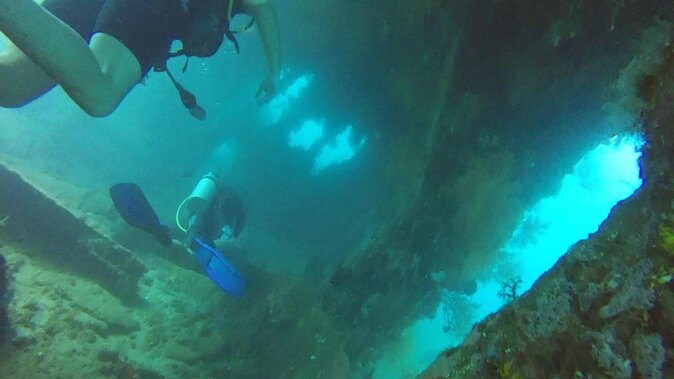
- The USS Liberty may be the highlight: Tulamben offers the chance to see Bali’s famous shipwreck site.
- The $480 price includes plenty: Transport, lunch, equipment, instruction, course materials, and certification are covered.
What you are really learning in three days
This is not a sightseeing boat trip with a quick swim underwater. It is a proper beginner scuba course leading to a certificate recognized around the world.
The PADI Open Water qualification lets you use basic scuba skills safely to a maximum depth of 18 meters. You first learn the ideas behind pressure, breathing underwater, equipment use, safety, and basic ocean awareness. The theory is completed through the PADI online learning platform, then reviewed with your instructor.
That online portion is important. You can complete it before arriving, which leaves the three Bali days for practical training. You can also work through it during the course, but that may make an already busy schedule feel tighter.
I would complete as much theory as possible before day one. You will arrive with the vocabulary and basic concepts already familiar, leaving more energy for the pool and sea work. The instructor still reviews the material with you, so this is not a case of being sent off alone with a laptop.
The course is designed to take you step by step. You first learn in confined water, where conditions are controlled. Only after practicing the basic skills do you move into the sea.
Other dives booked from Kuta:
- Scuba Diving in Nusa Penida – Manta Point
★ 5.0 · 198 reviews - Day Trip certified divers – 3 Dives in Tulamben (pick-up & drop-off included)
★ 5.0 · 178 reviews - Nusa Penida Day Trip for 3 dives
★ 5.0 · 127 reviews
Day one: pool training in Sanur
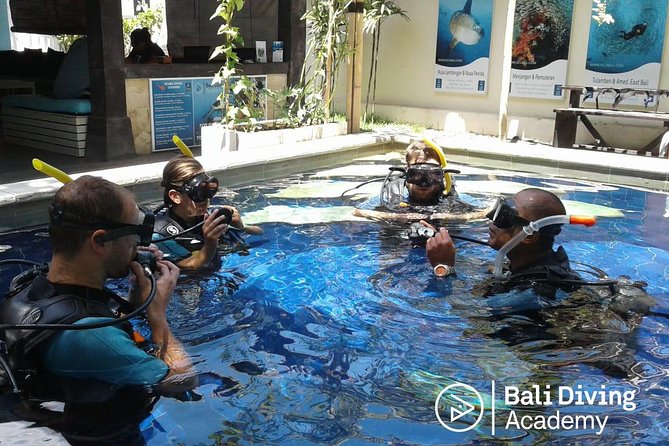
The first day begins at about 9:00 a.m. at Bali Diving Academy in Sanur, on the corner of Jl. Sekuta and Gang Kalpataru. Hotel pickup and return are included, so you do not need to arrange your own transport to the school.
The pool session is where the course becomes real. You learn how the scuba equipment works and practice the basic skills needed to remain calm and in control underwater. This is also the right place to tell your instructor if you need a slower explanation, more practice, or a little extra time getting comfortable with the equipment.
That personal contact matters. Astama is one instructor you may be assigned, and previous course details point to his patient, careful teaching style. Benny Wiratno Bunadji is another name worth requesting if you have a preference. He is described as easygoing, professional, and able to explain the material clearly in English. One past student also benefited from having an instructor who spoke Italian.
Do not rush this day. The pool can feel less glamorous than the sea, but it is where you build the habits that make the later sessions easier. You will get more from the course if you focus on breathing slowly, communicating clearly, and asking questions instead of trying to look confident.
The school has also arranged one-to-one instruction for some students. The published maximum is six people, but you can ask about a private format if you learn better at your own pace. A private arrangement may affect the price or availability, so confirm it before booking.
Day two: two sessions in Sanur Bay
Day two moves from the pool into Sanur Bay for two open-water sessions. This is your first chance to use the skills in a real marine setting.
Sanur is a practical place to begin because it is the course base and keeps the first sea day relatively straightforward. You do not lose time on a long cross-island transfer, and the instructor can concentrate on helping you adjust to natural conditions.
The bay is not simply a longer pool session. You will need to manage your equipment, breathing, movement, and communication while dealing with the normal changes of an outdoor setting. That is the point of the day. You learn how your training works beyond the controlled pool environment.
Two sessions also give you a useful reset. After the first one, you can discuss anything that felt difficult, have lunch, and return with a clearer idea of what to improve. The included lunch is a modest but valuable detail during a full day of physical activity.
Your instructor remains central to the process. The course promises a PADI-certified and insured professional familiar with local reefs and habitats. That local knowledge matters in Bali, where conditions and sites can change from one location to another.
The group limit of six is particularly useful here. A small group does not guarantee private attention every minute, but it should make it easier to hear instructions, stay together, and receive corrections. If you feel nervous in the sea, say so early. This is training, not a test of bravery.
Day three: Padang Bai, Tulamben, or Nusa Penida
The final day includes two more open-water sessions. The destination is chosen according to conditions, with Padang Bai or Tulamben listed as the standard possibilities.
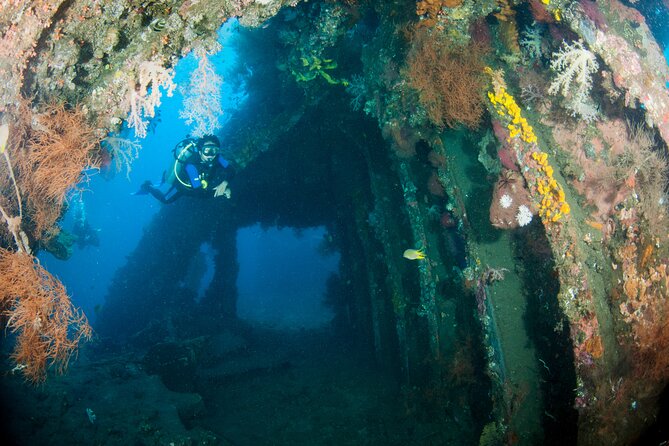
Tulamben is the more distinctive option. It is home to the USS Liberty shipwreck, one of Bali’s best-known underwater sites. Seeing a wreck can give a beginner course a memorable final chapter, though the exact site depends on the conditions and the instructor’s plan for the day.
The shipwreck is not just a photo opportunity. It gives you a chance to apply your new skills around a substantial underwater object, while seeing how marine life uses an artificial reef. You should keep your expectations measured: this is still a certification course, so the priority is safe practice and completing the required skills, not rushing around to collect pictures.
Padang Bai offers a different setting and may be selected if conditions make it the better choice. The itinerary does not promise a particular reef, marine animal, or visibility level, and that is worth remembering when comparing this course with a fixed sightseeing trip.
Nusa Penida is also possible on day three for an extra charge. Ask for the current supplement and conditions before choosing it. Since the standard price is $480, the added cost may affect the value calculation, especially if your main goal is simply to qualify rather than visit a particular site.
The day can be long. You are completing two sea sessions after already spending two days learning new physical and mental skills. Get proper rest before the course, and avoid filling your evenings with late activities. The course requires moderate fitness, but it is still tiring.
Same base, a different sort of day:
- Nusa Penida day trip: boat, 4 snorkeling, Manta rays & Land tour
★ 5.0 · 2,033 reviews - Bali Nusa Penida West Private All-Inclusive Tour
★ 5.0 · 1,277 reviews - Mount Batur Sunrise Trekking Private Tour with Breakfast and Hotel Transfer
★ 5.0 · 885 reviews - Individual Bali Day Trip with Private Driver and Free WiFi
★ 5.0 · 755 reviews
Why the small group and instructors matter
Scuba training is technical, but good teaching should not feel stiff. The strongest part of this course is the combination of formal PADI standards with instructors who appear to adapt their teaching to the student.
Astama is repeatedly associated with a calm, professional approach. Benny Wiratno Bunadji is another strong choice if you want an instructor who is friendly, relaxed, and clear in English. You can request a particular instructor, but assignments depend on availability.
The course follows PADI procedures, and the equipment is described as up to code and well maintained. That is exactly what you want from a first certification. You are not yet experienced enough to judge every piece of equipment yourself, so dependable gear and careful records provide useful reassurance.
The maximum group size is six. That is small enough to feel personal without automatically paying for a fully private course. If you have anxiety, a language concern, or a preference for slower learning, tell the booking team before the first day rather than hoping the issue will sort itself out.
Language support may also be worth asking about. English is clearly available, and at least one instructor speaks Italian. Do not assume every language is covered, but you can ask when arranging the course.
What the $480 price includes
At $480 per person, this is not a cheap introductory activity. It is also not just a three-day rental of equipment. You are paying for a recognized PADI certification, instructor time, pool and sea training, course materials, scuba equipment, lunch, and hotel pickup and return.
The included equipment is a major part of the value. Renting all the required items separately would add cost and create more planning. The same is true of transport. Sanur, Padang Bai, and Tulamben are not all next door to one another, so having the operator handle the transfers simplifies the three-day schedule.
The PADI manual and certification are included as well. Those details matter because a course that looks cheaper at first may charge separately for learning materials or the final card.
The price makes the most sense if you genuinely want the qualification. You finish with a certificate that is recognized worldwide and allows you to continue scuba activities to 18 meters, subject to the normal rules and conditions of the operator you use later.
If you only want one underwater outing, this is too much course and too much time. A shorter introductory session would be a better match, though this particular activity is designed for people who want a full certification.
A camera is not included. You can rent one, but I would treat photographs as optional. Your first priority should be breathing, buoyancy, communication, and enjoying the environment without turning the session into a camera-handling exercise.
The practical rhythm of the three days
The schedule begins at 9:00 a.m., and the course ends back at the meeting point. Pickup and return are included, but confirm your hotel location and pickup details ahead of time.
You need to keep all three days open. The sea sessions cannot simply be squeezed into a spare morning between other Bali plans. Day three may require travel to Padang Bai or Tulamben, and weather can affect the schedule.
The operator states that the course requires good weather. If poor weather forces cancellation, you are offered another date or a full refund. If the minimum number of participants is not reached, you are offered a different date or experience, or a full refund.
Your own cancellation terms are stricter. The booking is non-refundable and cannot be changed for any reason if you cancel or request an amendment. That makes travel insurance and a realistic Bali schedule worth considering, especially if your trip is short.
The booking confirmation normally arrives at once, but bookings made within nine days of travel may take up to 48 hours, subject to availability. I would not leave this until the last moment, particularly if you want a specific instructor or private teaching.
Who will get the most from this course
This course suits you if you want a real qualification rather than a one-off underwater activity. It is also a good fit if you appreciate a clear structure, local transport, and an instructor who can guide you through each stage.
It may work well for:
- A first-time student who wants a recognized certificate
- A solo guest who prefers a small group
- Couples or friends who want to qualify together
- People who want to continue with further scuba courses
- Students who prefer patient instruction and the option to request a particular teacher
It is less suitable if you have only one free day, dislike pool training, or want a guaranteed visit to a specific site. It is also not ideal if you are unwilling to complete online theory or commit to three full days.
Group discounts are available, so ask about them if you are booking with friends or family. The published group limit remains six, which helps keep the training manageable.
Should you book the Sanur Open Water Course?
I would book this course if your Bali plans allow three full days and you want a qualification you can use elsewhere. The package covers the costly and inconvenient pieces, and the small group format gives you a better chance of receiving useful personal instruction.
The best reason to choose it is the balance between formal training and local flexibility. You begin in Sanur, learn in a pool, practice in Sanur Bay, then may finish near Padang Bai, Tulamben, or the USS Liberty site. Instructors such as Astama and Benny Wiratno Bunadji are worth requesting if their availability matches your dates.
I would not book it just for a quick holiday thrill. The online theory, pool session, four sea sessions, and certification work require commitment. But if you want to leave Bali as a qualified beginner scuba participant, this is a practical and well-priced route, provided you accept the weather and schedule limits.
FAQ
How long is the PADI Open Water course?
The course takes approximately three days. It includes online theory, one pool training day, and two days of sea sessions.
Where does the course begin?
It begins at Bali Diving Academy in Sanur, at the corner of Jl. Sekuta and Gang Kalpataru, Sanur, Denpasar Selatan, Bali.
What time does the course start?
The stated start time is 9:00 a.m.
Where does day one take place?
Day one is a confined-water pool session in Sanur.
Where are the sea sessions held?
Day two includes two open-water sessions in Sanur Bay. Day three takes place in Padang Bai or Tulamben, depending on conditions.
Is Nusa Penida included?
Nusa Penida is possible on day three, but it is offered as an additional paid option rather than part of the standard price.
What is included in the $480 price?
The price includes lunch, scuba equipment, hotel pickup and return, the PADI manual and certification, and a PADI-certified instructor.
Can I cancel for a refund?
The experience is normally non-refundable and cannot be changed for any reason. If the operator cancels because of poor weather or because the minimum number is not met, you are offered another date or experience, or a full refund.
Just added in Kuta
- Your Fragrance Selection: Bali Perfume Workshop and Creations★ 5.0 · 3 reviews
- Nusa Penida 4 Spot Snorkeling with Manta and Island Tour★ 4.5 · 11 reviews
- Ubud Highlights Rice Terraces, Temple, Waterfall & Monkeys forest★ 5.0 · 23 reviews
- Bali Atv Riding through Cave and Waterfall★ 5.0 · 18 reviews
- Experience West Nusa Penida Private Tour★ 4.5 · 14 reviews
- Premium White Water Rafting and Jungle Buggies in Bali★ 4.0 · 15 reviews
- Waterbom Bali Tickets – Single Day Pass★ 5.0 · 5 reviews
- West Nusa Penida Day Trip★ 5.0 · 8 reviews
Scuba Diving, compared.
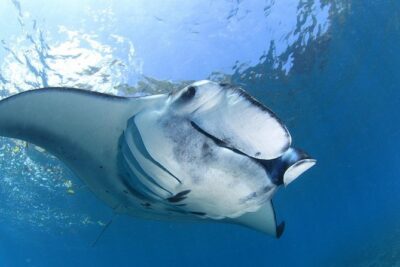
2 Days Discover Scuba Diving in Nusa Lembongan – Scuba Initiation
Read our review →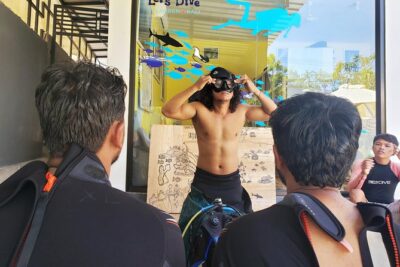
Bali Diving for Beginners: Tulamben Liberty Wreck
Read our review →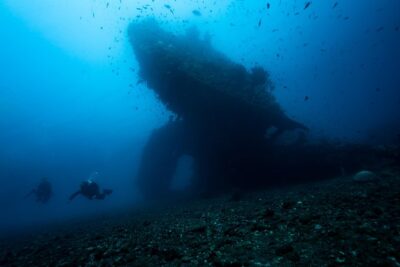
Discover Scuba Diving in Tulamben – Diving Initiation in Bali best diving sites
Read our review →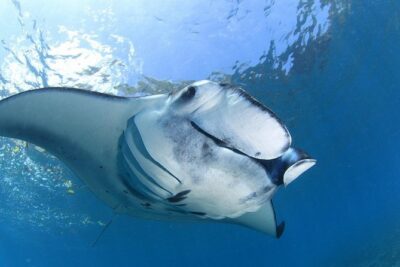
5 Fun Dives in Nusa Lembongan (for certified divers) – Swim with a Mola Mola
Read our review →
Nusa Penida Two Dives Trip for Certified Divers
Read our review →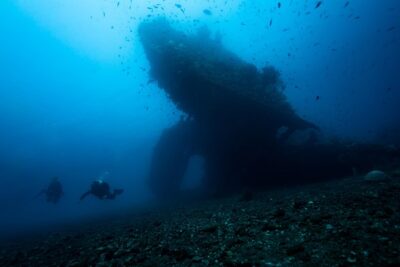
Day Trip certified divers – 3 Dives in Tulamben (pick-up & drop-off included)
Read our review →
Two fun dives morning trip (Certified Divers only)
Read our review →Browse the lists this tour appears in