
Reviewed · SCUBA DIVING
PADI Open Water Course
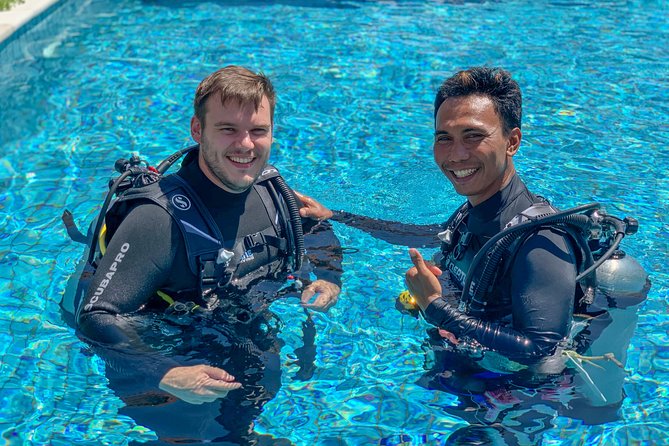
Getting certified in Bali means you are not stuck in a classroom for your entire course. This three-day PADI program moves from theory to pool practice, then to four open-water sessions at Padang Bai and Tulamben. It gives you a real certification, not just a trial outing.
I like the maximum group size of three, which allows close attention when you are learning mask skills, buoyancy, and emergency procedures. I also like that the $530 price includes transport, meals, drinks, equipment support, and professional instruction rather than leaving you to arrange each part yourself. The main consideration is timing: three full days is a serious commitment, and you should not fly for at least 18 hours after your final underwater session.
Key points to know before booking
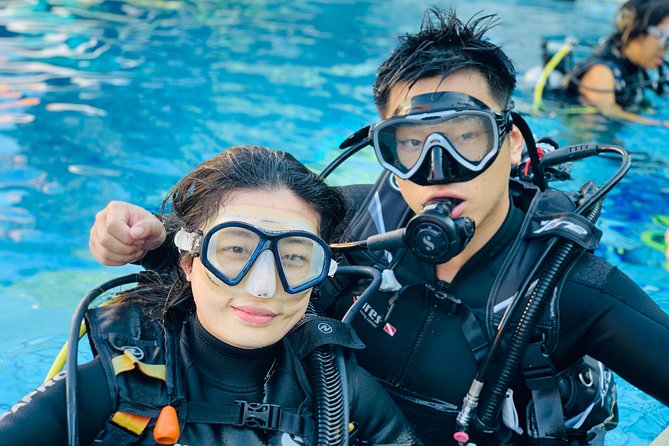
- Three stages in three days: You complete theory, pool training, and four open-water sessions.
- Two Bali locations: Padang Bai and Tulamben provide the course setting for the sea work.
- Small groups: The maximum is three participants, useful when you need patient, direct coaching.
- Hotel transport included: An air-conditioned minivan, driver, and hotel pickup and return are part of the package.
- Meals and refreshments covered: Lunch, bottled water, coffee or tea, and snacks are included.
- Medical screening matters: You must complete a health questionnaire, and some conditions may prevent participation.
From theory to your first underwater session
The PADI Open Water Course is designed to give you the skills and judgment needed for independent scuba activity to a maximum depth of 18 meters. That depth limit is important. It is the standard ceiling for an Open Water certification, and it gives you access to a wide range of recreational sites while keeping the first qualification focused and manageable.
The first phase is Knowledge Development. You learn the basic rules that make scuba safe: how pressure affects your body, how equipment works, how to plan a session, and what to do when something does not go as expected. You need to take this part seriously. It may feel less exciting than getting into the water, but it is what lets you understand the reason behind each skill.
You may complete some theory before arriving, depending on the arrangement with the center. One recent course account described completing the theory online before the Bali trip, which left more time for practical training once on the island. If that option is available for your booking, it can make the three-day schedule feel less crowded.
The course is not built around simply following an instructor. You are expected to understand what you are doing and why. That is useful if you plan to continue scuba activity after Bali, since the certificate is intended for future sessions beyond this one course.
Other dives booked from Kuta:
- Scuba Diving in Nusa Penida – Manta Point
★ 5.0 · 198 reviews - Day Trip certified divers – 3 Dives in Tulamben (pick-up & drop-off included)
★ 5.0 · 178 reviews - Nusa Penida Day Trip for 3 dives
★ 5.0 · 127 reviews
Pool training gives you room to make mistakes
The second phase takes place in a pool. This is where the equipment and basic techniques begin to feel familiar before you face open water, current, visibility changes, or a boat and shore environment.
Pool training is valuable because you can focus on one task at a time. You may work on breathing, mask clearing, regulator recovery, buoyancy control, and other essential skills. The exact order and lesson plan follow PADI standards, while your instructor adjusts the pace to your ability.
This is also the part that can challenge people who are new to the water. Several instructors connected with the center have been praised for patience, including Gede, Muli, and Sia. One course participant had little swimming experience and needed extra reassurance, while another specifically worked on buoyancy control with Muli. That tells you something practical: you do not need to arrive as an athlete, but you do need to be willing to listen, repeat skills, and stay calm.
The small group limit helps here. With no more than three participants, an instructor can watch your technique closely. If your mask clearing is awkward or you are using too much air, you should have more direct attention than in a large class. It does not remove the need to practice, but it can prevent small problems from being overlooked.
Padang Bai and Tulamben put skills into real water
The final phase consists of four open-water sessions at Padang Bai and Tulamben. These are not simply sightseeing outings. You use the skills from the pool in actual sea conditions while your instructor checks that you can perform them safely.
Padang Bai and Tulamben are two of Bali’s best-known scuba areas, but the course information does not promise a particular reef, wreck, marine animal, or visibility level on a given day. Conditions can affect the exact experience, so it is better to book this as a certification course first and a sightseeing trip second.
Padang Bai gives the course a change of setting from the pool, while Tulamben adds another major Bali scuba location to your training. Moving between sites also helps you learn that conditions are not identical everywhere. Water movement, visibility, entry arrangements, and the feel of the surroundings can vary.
The four sessions are where your confidence should grow. At first, you may still think carefully about every step. By the later sessions, the aim is to manage your equipment and basic skills with less prompting. Your instructor remains responsible for supervision, but the course is working toward you becoming a confident, independent certified scuba participant.
Instructors make the biggest difference
A certification course depends heavily on the instructor assigned to you. Equipment and transport matter, but clear explanations and a calm manner matter more when you are trying a new skill underwater.
The names associated with recent courses include Gede Ariawan, Sia, Muli, and Julian. Gede has been described as especially patient with a younger participant and with beginners who were worried about keeping up. Sia and guide Agus were also noted for patient, professional support during the course and later recreational sessions. These names can give you useful context, but you should ask which instructor is scheduled for your dates because assignments can change.
The best sign of a good instructor is not a fast schedule. It is the willingness to repeat an explanation, pause when you are uncomfortable, and correct a skill without making you feel rushed. The course appears well suited to that style, particularly because the group cap is only three.
Still, you should not assume that a patient instructor can overcome unsafe conditions or a medical restriction. Answer the health questionnaire honestly, and speak with a doctor before booking if you have asthma, heart problems, epilepsy, a serious medical condition, a current cold, or congestion.
Same base, a different sort of day:
- Nusa Penida day trip: boat, 4 snorkeling, Manta rays & Land tour
★ 5.0 · 2,033 reviews - Bali Nusa Penida West Private All-Inclusive Tour
★ 5.0 · 1,277 reviews - Mount Batur Sunrise Trekking Private Tour with Breakfast and Hotel Transfer
★ 5.0 · 885 reviews - Individual Bali Day Trip with Private Driver and Free WiFi
★ 5.0 · 755 reviews
What the $530 price covers
At $530 per person, this is not a low-cost introductory outing. You are paying for a formal PADI qualification spread across three days, four open-water sessions, pool training, theory, instruction, transport, and meals.
The included items make the price easier to assess. You receive:
- Hotel pickup and return
- Air-conditioned minivan transport
- A driver and professional guide
- Lunch
- Bottled water
- Coffee or tea
- Snacks
- Taxes, fees, and handling charges
That package matters in Bali. Padang Bai and Tulamben are not simply places you walk to from the meeting point, and arranging transport, meals, and instruction separately would add time and uncertainty. The transport also keeps the schedule under one operator instead of leaving you to coordinate multiple providers.
Souvenir photos are not included and can be purchased separately. If photographs matter to you, ask about the cost before the course begins. Do not assume that photos are part of the $530 package.
The course starts and ends at Neptune Scuba’s listed meeting point on Jalan Suka Merta in Sanur Kauh, Denpasar Selatan. Pickup is offered, but confirm the pickup area when you book, especially if you are staying in Kuta. The experience is marketed in connection with Kuta, while the stated meeting point is in Sanur, so this small detail is worth settling in advance.
Three days requires careful travel planning
The advertised duration is approximately three days, and the course runs daily during the stated operating period from 7:00 AM to 6:00 PM. That does not mean every day will use every hour, but you should keep the three days open rather than trying to fit major sightseeing plans around them.
Hotel pickup is useful, yet early starts and road travel can make the days feel long. You will have transport and refreshments, but certification work still requires concentration. I would avoid scheduling late-night activities before course days or assuming you will have energy for a full evening program afterward.
The 18-hour no-fly rule is one of the most important planning details. Flying too soon after scuba activity is not recommended, so leave at least 18 hours between your final underwater session and your flight. If your course ends late on the last day, give yourself extra margin rather than building a tight airport schedule.
The meeting point returns to the same location at the end of the activity. Since the tour has a small maximum of three participants, confirm your pickup time and location clearly. This is especially useful if the center is collecting you from a hotel rather than having you meet at Neptune Scuba.
Health, age, and comfort requirements
The minimum age is 10. That makes the course possible for families with older children, but age alone does not determine readiness. A young participant must be comfortable following instructions, managing basic water skills, and completing the required health screening.
The medical requirements deserve more attention than they often receive in holiday planning. Your respiratory and circulatory systems must be in good health, and body air spaces need to be normal and healthy. A current cold or congestion can make pressure changes uncomfortable or unsafe.
You should not participate if you are under the influence of alcohol or drugs. Certain conditions, including asthma, heart problems, epilepsy, or other serious medical issues, may prevent scuba activity. The operator requires a health questionnaire before training, but that form is not a substitute for medical advice. If you have any doubt, consult your doctor before paying.
Most people can participate, and the activity is near public transportation, but the course is not a passive boat trip. You will be expected to take part in pool and sea exercises. If you are nervous, tell the instructor early. The smaller group can help, but only if the instructor knows where you need support.
Who should book this course
This course suits you if you want a recognized qualification rather than a one-time taste of scuba. It is also a good fit if you prefer having theory, practice, transport, and open-water training handled by one center.
I would particularly consider it if you are traveling with a partner or friend and want a small class. A maximum of three makes the course more personal than a large group program. It also suits beginners who worry about keeping up, since instructors such as Gede and Muli have shown patience with nervous students and people with limited swimming confidence.
It is less suitable if you have only one free day, need to fly immediately after the course, or want a relaxed sightseeing outing with no study or skill testing. The certificate requires effort. You may enjoy the sea settings, but you are there to learn safe procedures first.
The program also works well for a teenager aged 10 or older, provided the child is ready for the responsibility and meets the health requirements. A parent should discuss the schedule and expectations with the center before booking.
Booking, cancellation, and useful questions
Confirmation is provided at booking, and free cancellation is available if you cancel at least 24 hours before the local start time. Cancellations or changes made inside that window are not refunded, so check your flight plans and health before committing.
Ask the center about four practical points before arrival: the exact pickup area, the instructor assigned to your group, whether theory can be completed online, and the cost of optional photos. None of these questions changes the core course, but each can make your three days easier.
I would also confirm the final session time so you can respect the 18-hour no-fly recommendation. A small amount of planning is better than ending a certification course with a rushed airport transfer.
Should you book the PADI Open Water Course?
Book it if you want a real PADI Open Water certification and can give three days to theory, pool work, and four supervised sea sessions. The small group limit, included transport and meals, and patient teaching associated with instructors such as Gede, Muli, Sia, and Julian make the $530 package reasonable for a full qualification.
Skip it if you want only a short recreational outing, have a tight flight schedule, or are unsure about the medical requirements. For a first scuba certificate in Bali, though, Neptune Scuba offers a practical structure, useful support, and training at two major island locations without making you arrange the pieces yourself.
FAQ
How long is the PADI Open Water Course?
The course lasts approximately three days. It includes Knowledge Development, pool training, and four open-water sessions.
Where does the course take place?
The sea training takes place at Padang Bai and Tulamben. The listed start and end point is Neptune Scuba Diving Bali on Jalan Suka Merta in Sanur Kauh, Denpasar Selatan.
What is the maximum group size?
The activity has a maximum of three participants.
What is the minimum age?
The minimum age is 10 years.
Is hotel pickup included?
Yes. Hotel pickup and drop-off are included, along with transport in an air-conditioned minivan. Confirm the pickup area when booking, particularly if you are staying in Kuta.
What does the $530 price include?
The price includes taxes, fees, handling charges, bottled water, lunch, coffee or tea, snacks, a driver, a professional guide, hotel transport, and air-conditioned minivan transport. Souvenir photos are not included.
How long should I wait before flying?
Flying within 18 hours of scuba activity is not recommended. Plan your departure so at least 18 hours separate your final underwater session and your flight.
Just added in Kuta
- Nusa Penida 4 Spot Snorkeling with Manta and Island Tour★ 4.5 · 11 reviews
- Ubud Highlights Rice Terraces, Temple, Waterfall & Monkeys forest★ 5.0 · 23 reviews
- Your Fragrance Selection: Bali Perfume Workshop and Creations★ 5.0 · 3 reviews
- Bali Atv Riding through Cave and Waterfall★ 5.0 · 18 reviews
- Experience West Nusa Penida Private Tour★ 4.5 · 14 reviews
- Premium White Water Rafting and Jungle Buggies in Bali★ 4.0 · 15 reviews
- Waterbom Bali Tickets – Single Day Pass★ 5.0 · 5 reviews
- West Nusa Penida Day Trip★ 5.0 · 8 reviews
Scuba Diving, compared.
2 Days Discover Scuba Diving in Nusa Lembongan – Scuba Initiation
Read our review →
Bali Diving for Beginners: Tulamben Liberty Wreck
Read our review →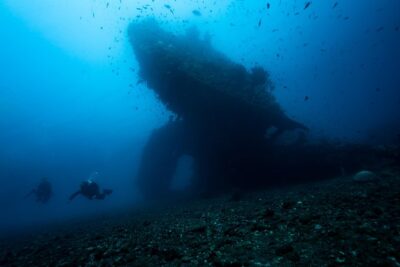
Discover Scuba Diving in Tulamben – Diving Initiation in Bali best diving sites
Read our review →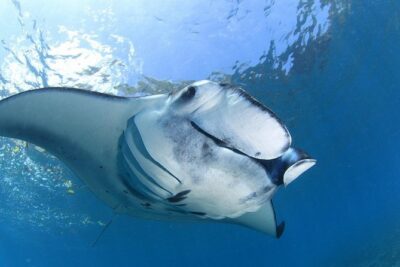
5 Fun Dives in Nusa Lembongan (for certified divers) – Swim with a Mola Mola
Read our review →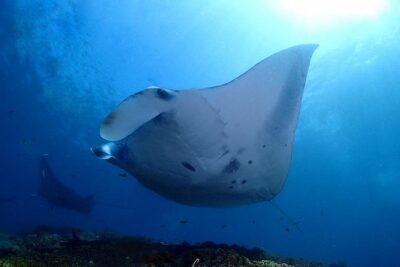
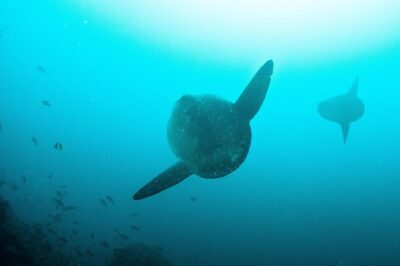
Nusa Penida Two Dives Trip for Certified Divers
Read our review →
Day Trip certified divers – 3 Dives in Tulamben (pick-up & drop-off included)
Read our review →
Two fun dives morning trip (Certified Divers only)
Read our review →Browse the lists this tour appears in