
Reviewed · MOUNT BROMO & IJEN TOURS
Mount Ijen Crater Trekking Tour from Bali
The blue fire of Mount Ijen is the main event, and seeing it means accepting a hard night. You leave Bali in the late afternoon, cross to Java by ferry, and begin walking around midnight so you can reach the crater before dawn. The climb takes roughly one to two hours over about 3 kilometers, with uphill stretches, flatter ground, and cold mountain air.
I like two things here. First, the tour puts the volcano in a real human setting: you see sulphur miners carrying loads of 60 to 80 kilograms in bamboo baskets. Second, the transport, local trekking guide, flashlight, gas mask, breakfast, lunch, and hotel transfers are bundled together. The main drawback is the long overnight journey. You may spend more time in vans and ferries than on the mountain.
This is a strong choice for fit adults who want a demanding, unusual day out rather than a relaxed Bali excursion. It earns 4 out of 5 from eight ratings, with the volcano, courteous drivers, and safety-minded staff receiving the warmest praise. The guiding can be less polished, and you may wait for the rest of the group before departure.
Key points to know before booking
- Blue fire is weather dependent: You may see the electric-looking flames only if conditions allow, so it is a natural bonus rather than a guarantee.
- The trek begins near midnight: Plan for a long night with very little proper sleep and a demanding climb in darkness.
- Sulphur miners work by hand: You can see miners carrying 60 to 80 kilograms of sulphur using shoulder-borne bamboo baskets.
- The trip crosses two islands: Hotel pickup in South Bali is followed by a drive to Gilimanuk, a ferry to East Java, and a return crossing after the trek.
- The group is capped at 10 people: This allows more direct attention than a large coach tour, though departure may wait for everyone to arrive.
- You need real stamina: The operator requires strong physical fitness and advises against the tour for children, older people, and anyone with serious medical conditions.
Why Ijen is worth the long night
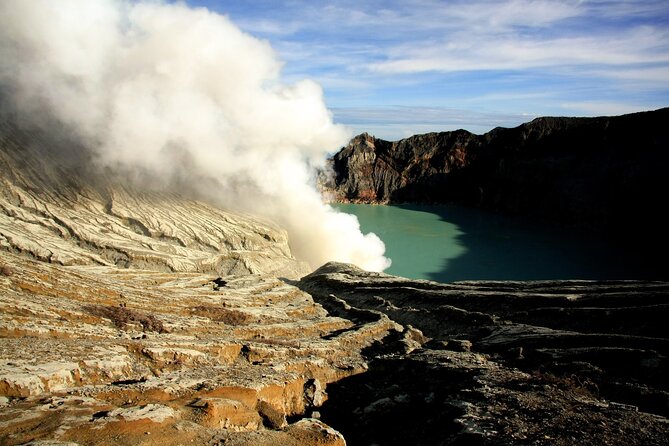
Ijen is not simply a viewpoint with a short walk to a railing. It is an active volcanic area where sulphur, heat, difficult work, and striking scenery meet. The blue fire comes from burning sulphur gases and is visible only in darkness, which explains the unusual schedule.
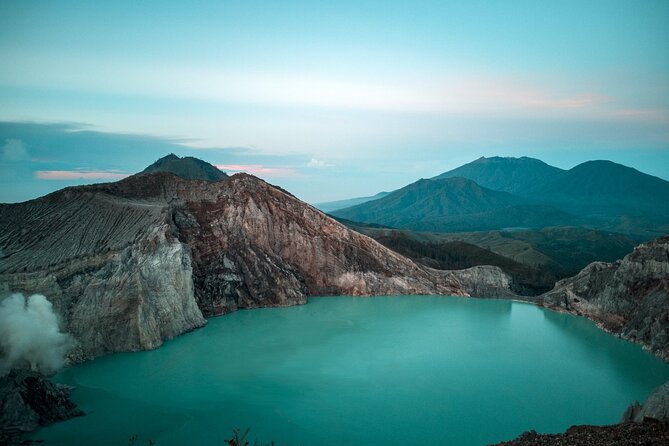
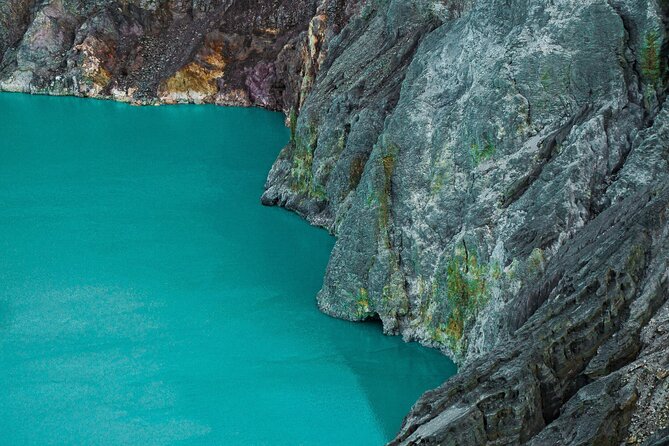
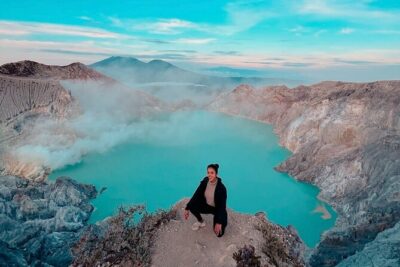
Your reward comes in two parts. Before sunrise, you may see blue flames in the crater area. Later, with more light, you get views toward Ijen Crater and its large acid lake. The two moments feel very different: the first is strange and almost otherworldly, while the second gives you a clearer sense of the crater’s scale.
The human side is just as important. Sulphur miners use traditional methods, breaking sulphur with iron rods and carrying heavy blocks away from the mountain without modern protective equipment. Your guide can help you understand what you are seeing, but do not treat the miners as scenery. Give them room, keep your camera respectful, and follow local instructions.
Other volcano runs out of Kuta:
- Mount Ijen Blue Flame Tour from Bali
★ 5.0 · 79 reviews - Ijen Crater Tour From Bali 1 Day
★ 4.5 · 11 reviews - Mount Bromo Sunrise Tour from Surabaya or Malang – 1 Day
★ 5.0 · 1,759 reviews
The 5:00 pm pickup from South Bali
Pickup is offered from selected hotels in Kuta, Legian, Seminyak, Jimbaran, and Nusa Dua. The listed start time is 5:00 pm, though your exact pickup time is confirmed after reconfirmation.
This is a useful arrangement if you are staying in one of those areas. You do not need to arrange a separate taxi to the port or work out the Java transport yourself. The driver acts as your transport coordinator from Bali to Banyuwangi, East Java, and back again.
The tradeoff is time. Traffic, hotel pickups, and the drive to Gilimanuk Harbor make this a full overnight outing. One practical point is worth noting: you may be asked to wait in a building or house while other members of the group arrive. That pause can feel poorly timed when you are eager to reach the mountain, especially after starting late in the day.
Bring food or snacks for the road if you need more than the included meals. Dinner is not included, and the tour provides only a light breakfast before the descent. Drinks are also your responsibility.
Crossing from Bali to Java by ferry
At Gilimanuk, you board a ferry for the short sea crossing to East Java. You arrive near Banyuwangi around midnight, then continue by road toward the mountain starting point.
The ferry makes this feel like a genuine two-island journey rather than a standard Bali day trip. It also explains why the tour takes about 23 hours. You are covering a lot of ground before and after the actual hike.
Do not expect a quiet, restful transfer. The schedule is built around reaching Ijen in the dark, so the hours are practical rather than comfortable. If you sleep easily in a vehicle or ferry, use every chance to rest. If not, the overnight timing may be the hardest part of the experience.
The driver is a key part of the trip. The information provided does not give the driver’s name, but the service is described as courteous, and the driver handles the long connection between Bali, the ferry ports, and the mountain. That support matters when you are tired and moving through unfamiliar places at night.
Beginning the 3-kilometer climb
After arriving in East Java, you are driven directly to the trekking starting point. A local guide gives a safety briefing and supplies a flashlight and gas mask.
The route to the summit is approximately 3 kilometers, or about 1 mile, and normally takes one to two hours. It includes uphill sections and flatter portions. The distance may look modest on paper, but the timing, incline, darkness, cold, and thin sleep make it much harder than a casual walk.
You should wear sports shoes or proper hiking shoes, long pants, a jacket or warm sweater, gloves, and a hat. The mountain can feel cold before sunrise, and you will appreciate having layers you can adjust. Bring any medicine you need yourself. The operator also asks for a health certificate from a doctor, valid for no more than three days before the tour. If you do not have one, you may be taken to a nearby doctor.
A good level of fitness is not optional here. The operator does not recommend the experience for children aged 15 and under, older people, or anyone with heart complaints, asthma, or other serious medical conditions. A little exercise the day before is advised, though it cannot replace normal hiking fitness.
More walking routes from Kuta:
- Mount Batur Sunrise Trekking Private Tour with Breakfast and Hotel Transfer
★ 5.0 · 885 reviews - Private Tour Mount Batur Sunrise Trekking and Natural Hot Spring
★ 5.0 · 431 reviews - Mount Batur Sunrise Trekking Open Trip All-Inclusive
★ 4.5 · 63 reviews - Mount Batur Volcano – Sunrise Trekking with White Water Rafting
★ 5.0 · 52 reviews
Meeting the sulphur miners on the mountain
One of the most memorable parts of the route is seeing the miners at work. They carry yellow sulphur blocks weighing roughly 60 to 80 kilograms in baskets suspended from bamboo poles across their shoulders.
That detail changes how you see the climb. You are working hard with a small daypack, warm clothing, and a flashlight. The miners are doing physically punishing work with far heavier loads and limited protection. Their presence gives the mountain a serious social dimension that a simple photo stop would miss.
You may also see miners breaking sulphur using iron rods. The operation uses traditional methods and does not provide the sort of safety equipment you might expect at an industrial site. Stay close to your guide, follow the route rules, and do not wander toward work areas.
The supplied gas mask is important because volcanic gases can be harsh. Keep it ready rather than packed away. The exact conditions vary with weather and volcanic activity, so your guide’s instructions should take priority over getting a better photograph.
Blue fire before dawn
The guide aims to get you toward the crater area before sunrise. In darkness, sulphur gases can produce blue flames. This is the rare visual prize that makes the overnight schedule worthwhile.
You should keep expectations sensible. The blue fire depends on weather conditions, and natural phenomena do not follow a tour timetable. Poor visibility or mountain conditions may prevent you from seeing it. The trip still includes the crater viewpoint and mountain experience, but nobody should book solely on the promise of a guaranteed flame display.
Conditions near the crater can be difficult. The experience is described as challenging on both the ascent and descent, with demanding conditions near the crater. The local guide is there to manage safety and direct the group, not to turn a strenuous route into an easy one.
The group maximum is 10 people. That is small enough for the guide to keep an eye on the pace and answer questions, though the group may move only as quickly as its slowest member. You may wait before setting out if other members have not arrived, so patience is part of the deal.
Breakfast, crater views, and the descent
A light breakfast is served on the mountaintop. This is welcome, but it is not a full meal, so eat sensibly before pickup and carry anything else you require within the tour’s rules.
After the blue fire attempt, the guide leads you back down toward the viewpoint for a closer look at Ijen Crater. In daylight, you can see the large acid lake and take photographs that would be impossible in the dark. The mountain changes character as the light improves, revealing the crater’s size and the stark volcanic surroundings.
The descent can be as tiring as the climb. Your legs have already worked through the uphill section, and uneven ground requires care. Keep your hands free where possible, use your flashlight on darker sections, and do not rush for a photograph.
The operator’s rules include staying no more than 500 meters from the crater, wearing suitable sports or hiking clothing, carrying your own medicine, and avoiding cigarettes, fires, litter, and thrown seeds or rubbish. These are simple rules, but they matter in a fragile and hazardous volcanic area.
Returning through Banyuwangi and back to Bali
Once the mountain section is finished, you are transferred to Banyuwangi Harbor for the late morning ferry back to Bali. The return crossing gives you a chance to rest, though the full day is still not over.
Lunch at a local restaurant follows the ferry journey. Balinese food is included, while drinks are not. This meal is useful because you have been awake and active for many hours, but it comes late in the overall schedule rather than at a relaxed midday stop.
You are then driven back to your South Bali hotel in the afternoon. The total duration is about 23 hours, so do not plan an important evening activity immediately afterward. You may be tired enough to want a shower and a bed rather than another restaurant or beach visit.
What the $153.85 price covers
At $153.85 per person, the tour is not a cheap short excursion. The price includes hotel pickup and drop-off from selected parts of South Bali, the Bali to Java transport, ferry connections, the driver, a local Ijen trekking guide, a flashlight, a gas mask, breakfast, lunch, and taxes and handling charges.
That bundle gives the price real value if you would otherwise need to arrange several separate pieces. The ferry crossings and late-night road transfers are the awkward parts to organize independently, and the local guide is especially useful on a dark volcanic route.
The price is less attractive if you mainly want a quick crater viewpoint or a comfortable nature trip. You are paying for a long transport chain and an overnight schedule, not simply for a short walk. The small group, capped at 10 people, helps justify the cost, though the service may not feel perfectly polished at every point.
The experience is booked on average about five days ahead. That gives you a useful planning clue: reserve early enough to fit the date you want, but check the first Friday of the month. Mount Ijen is closed on that day for cleaning, so do not choose it as your tour date.
Who should book this Ijen tour
I would recommend this experience to a fit adult who values unusual natural sights, local working life, and a demanding adventure. You should be comfortable with a late afternoon departure, a midnight trek, basic meals, ferry travel, and a long return journey.
It suits you especially well if you want to see more than Bali’s beaches and temples. The combination of two islands, a volcanic crater, sulphur mining, and blue fire gives the trip a strong sense of place.
I would think twice if you have a heart condition, asthma, another serious medical issue, or limited hiking fitness. It is also a poor match for young children and older people who may struggle with the climb and crater conditions. The tour requires a strong physical condition, and that warning should be taken literally.
The overall experience is good rather than flawless. The volcano itself is the star, the drivers are courteous, and the safety advice is taken seriously. The less impressive parts are the long transfers, possible waiting before departure, and guiding that may feel average rather than highly polished.
Should you book the Mount Ijen trek from Bali?
Book it if the chance to see blue fire and watch sulphur miners at work is worth a sleepless, demanding night. You get a local guide, essential equipment, meals, ferry transport, and hotel transfers in one package, with a group limited to 10 people.
Skip it if you want comfort, flexible timing, or a guaranteed view of the flames. The climb is tough, the journey is long, and bad weather can cancel the blue fire portion. For the right person, though, Ijen offers one of the most unusual mountain experiences available from Bali.
Free cancellation is available up to 24 hours before the start time. If weather forces cancellation, you can receive a different date or a full refund.
FAQ
How long does the Mount Ijen tour take?
The tour lasts approximately 23 hours, beginning with pickup in the late afternoon and ending with hotel drop-off in Bali the following afternoon.
What time does pickup begin?
The listed start time is 5:00 pm. Your exact pickup time is provided after reconfirmation, and pickup is available from selected hotels in Kuta, Legian, Seminyak, Jimbaran, and Nusa Dua.
Is the blue fire guaranteed?
No. You may see the blue fire before dawn, but visibility depends on weather conditions.
How difficult is the trek?
The route is approximately 3 kilometers and usually takes one to two hours to reach the summit. It includes uphill and flat sections, and the operator describes the experience as requiring strong physical fitness and stamina.
What should I wear and bring?
Wear long pants, sports or hiking shoes, a warm sweater or jacket, gloves, and a hat. You should also bring any medicine you need. A flashlight and gas mask are provided.
Are meals included?
A light breakfast and lunch are included. Dinner and drinks are not included.
Just added in Kuta
- Nusa Penida 4 Spot Snorkeling with Manta and Island Tour★ 4.5 · 11 reviews
- Ubud Highlights Rice Terraces, Temple, Waterfall & Monkeys forest★ 5.0 · 23 reviews
- Your Fragrance Selection: Bali Perfume Workshop and Creations★ 5.0 · 3 reviews
- Bali Atv Riding through Cave and Waterfall★ 5.0 · 18 reviews
- Experience West Nusa Penida Private Tour★ 4.5 · 14 reviews
- Premium White Water Rafting and Jungle Buggies in Bali★ 4.0 · 15 reviews
- Waterbom Bali Tickets – Single Day Pass★ 5.0 · 5 reviews
- West Nusa Penida Day Trip★ 5.0 · 8 reviews
Mount Bromo & Ijen Tours, compared.
Mount Bromo Sunrise Tour from Surabaya or Malang – 1 Day
Read our review →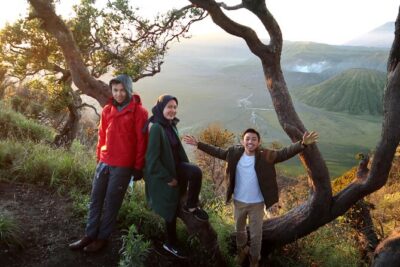
1 Day Amazing Bromo Sunrise tour from Malang Surabaya 7 spots
Read our review →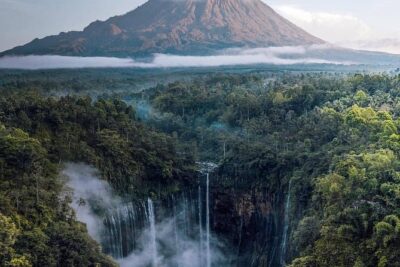
3Days – Tumpaksewu Bromo Ijen Adventure via Malang or Surabaya
Read our review →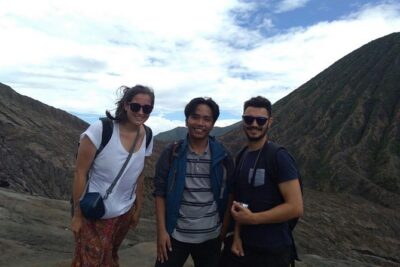
From Surabaya / Malang : Mt Bromo Sunrise – Ijen Blue Fire 3D2N
Read our review →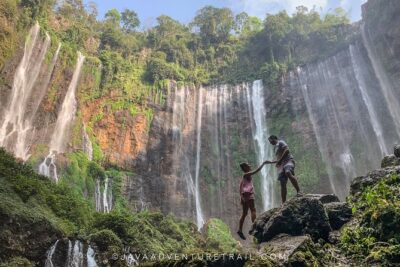
Mount Bromo – Tumpak Sewu Waterfall – Ijen Bluefire Tour – Bali 4d3n
Read our review →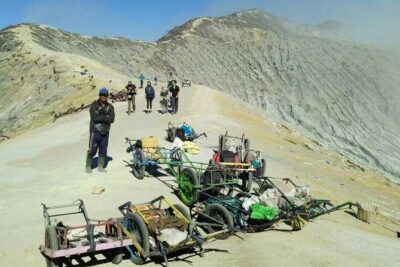
Active Volcanoes Bromo and Ijen – Start Surabaya 3 Days and 2 Nights
Read our review →
4D3N Bromo Ijen Tumpak Sewu Waterfall Tour from Surabaya/Malang
Read our review →Browse the lists this tour appears in